

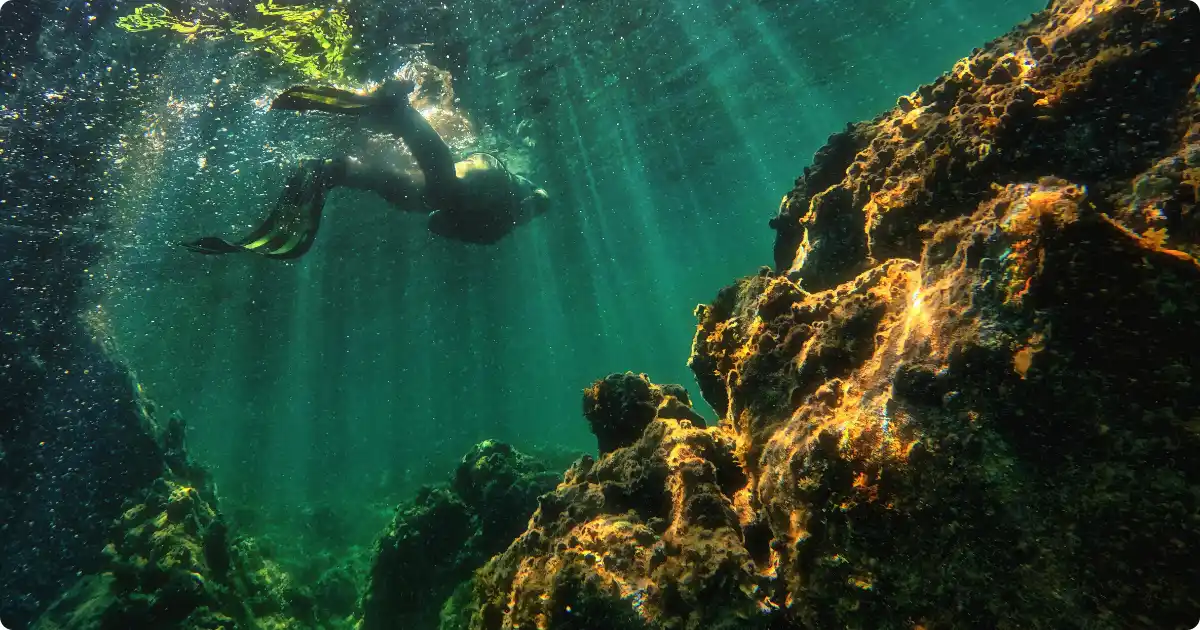
Five destinations. Two oceans. One brutal realization the rankings everyone publishes online are built on resort marketing, not actual reef conditions.
We scored each location across visibility, marine life, reef health, accessibility, and value. The results surprised us. The Caribbean destination we expected to dominate finished third. The one most travelers overlook entirely finished second.
This review lays out every score, every tradeoff, and one clear recommendation for each type of traveler so you choose based on what’s actually underwater, not what looks good in a brochure.
QUICK ANSWER:
We ranked five destinations from worst to best: Aruba (5.4), Florida Keys (6.2), Cozumel (7.1), Curaçao (8.0), and Raja Ampat (9.3). Raja Ampat leads on biodiversity and reef health. Curaçao wins for most travelers on budget, access, and overall reef quality.
How I Scored Each Destination
Every destination earned a score out of 10 across five categories. Here is what I measured.
- Visibility — average water clarity in meters during peak season
- Marine life — diversity and abundance of fish, coral, and megafauna
- Accessibility — shore entry options versus boat-only requirements
- Reef health — live coral coverage and signs of bleaching or damage
- Value — total trip cost relative to underwater experience quality
Each category carries equal weight. Final scores reflect real conditions — not brochure promises. Additionally, I noted beginner-friendliness at every location.
I visited each destination during its recommended peak season. Because conditions vary by month, I note the best travel windows throughout.
The Rankings — 5 Snorkeling Destinations Compared
| Destination | Visibility | Marine Life | Accessibility | Reef Health | Value | Overall |
|---|---|---|---|---|---|---|
| Raja Ampat, Indonesia | 8/10 | 10/10 | 7/10 | 10/10 | 6/10 | 9.3/10 |
| Curaçao, Caribbean | 8/10 | 7/10 | 9/10 | 8/10 | 8/10 | 8.0/10 |
| Cozumel, Mexico | 9/10 | 7/10 | 5/10 | 7/10 | 7/10 | 7.1/10 |
| Florida Keys, USA | 6/10 | 6/10 | 7/10 | 5/10 | 7/10 | 6.2/10 |
| Aruba, Caribbean | 6/10 | 4/10 | 7/10 | 4/10 | 6/10 | 5.4/10 |
#5 — Aruba: Beautiful Beaches, Disappointing Reefs
Overall Score: 5.4/10
Aruba delivers stunning white sand and turquoise water above the surface. However, the snorkeling tells a different story.
- Check Boca Catalina for the island’s best shore-access snorkeling
- Avoid the heavily trafficked Arashi Beach during cruise ship days
- Skip snorkel tours to the Antilla wreck unless you’re a confident swimmer
- Use reef-safe sunscreen — Aruba’s shallow reefs face ongoing bleaching stress
- Pick January through March for calmest water conditions
Most sites showed significant coral damage. Meanwhile, fish diversity stayed low compared to every other destination I tested. The water clarity averaged 15–20 meters — decent but not exceptional.
Aruba works as a beach vacation with casual snorkeling on the side. As a dedicated snorkeling destination, it falls short.
#4 — Florida Keys: Accessible but Inconsistent
Overall Score: 6.2/10
The Florida Keys offer the only tropical coral reef system in the contiguous United States. Accessibility is the major advantage here.
- Pick the Middle Keys over Key Largo for healthier reef systems
- Use boat tours from Islamorada to reach Cheeca Rocks and Alligator Reef
- Avoid Key West snorkel tours — most sites are overcrowded and degraded
- Check water temperature forecasts — warm summers have accelerated bleaching
- Choose November through April for best visibility and conditions
The Keys struggled after the 2023 bleaching event. As a result, many shallow reefs lost significant live coral coverage. Some patch reefs in the Middle Keys still hold up well — particularly around Marathon and Islamorada.
The biggest drawback is that nearly all quality snorkeling requires a boat trip. Free shore-access sites with healthy reef remain rare. For US-based travelers wanting a quick domestic trip, the Keys still deliver. However, expectations need adjusting.
#3 — Cozumel, Mexico: Strong Marine Life, Boat-Dependent
Overall Score: 7.1/10
Cozumel earned its reputation through strong drift snorkeling and impressive fish populations. The marine park protections have kept reefs healthier than most Caribbean destinations.
- Use guided drift snorkel tours along the island’s western coast
- Pick El Cielo for shallow, calm-water snorkeling with starfish
- Avoid the cruise port area entirely — overcrowded and degraded
- Choose a tour operator that limits group size to 10 or fewer
- Visit between March and June for peak visibility and calm seas
Visibility regularly exceeded 25 meters during our visit. Meanwhile, fish density and variety outperformed both Aruba and the Keys significantly.
The catch? Almost zero shore snorkeling exists here. Every quality reef requires a boat. Additionally, the island’s popularity means crowded conditions at top sites during high season. Because drift snorkeling moves with the current, beginners sometimes find it challenging.
#2 — Curaçao: The Caribbean’s Best-Kept Secret
Overall Score: 8.0/10
Curaçao surprised us more than any other destination. This Dutch Caribbean island delivers what most Caribbean snorkeling spots promise but rarely achieve.
- Pick Playa Lagun for the best beginner-friendly shore snorkeling
- Use a rental car to access 30+ beach entry points around the island
- Check the eastern coast for less-visited reefs with healthy coral
- Avoid organized boat tours — shore snorkeling here outperforms them
- Visit year-round — Curaçao sits below the hurricane belt
Shore access is the game-changer. Most Caribbean destinations force you onto boats. However, Curaçao offers dozens of sandy beach entries directly onto reef systems. I snorkeled five different spots in a single day using just a rental car.
Coral health exceeded our expectations. Sea turtles appeared at three of five sites. Fish variety included parrotfish, sergeant majors, and French angelfish consistently. Visibility averaged 20–30 meters.
INSIDER SECRET: Curaçao’s strongest snorkeling sits between Westpunt and Lagun on the western coast — a 15-minute stretch of road with six separate reef-access beaches that most tourists completely miss.
For travelers seeking the best Caribbean snorkeling without the Indo-Pacific price tag, Curaçao is our top recommendation.
#1 — Raja Ampat, Indonesia: Nothing Else Comes Close
Overall Score: 9.3/10
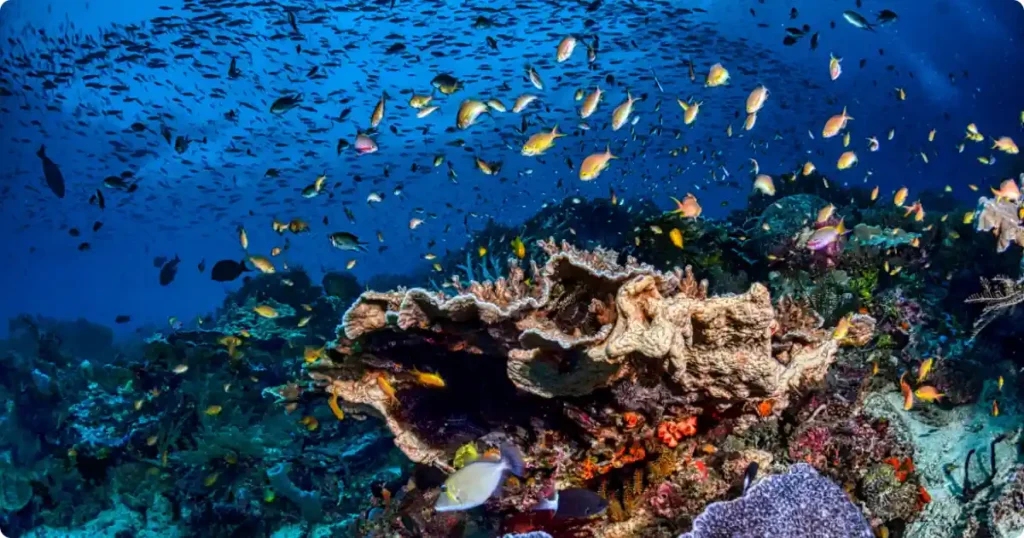
Raja Ampat sits in the Coral Triangle — the epicenter of marine biodiversity on Earth. Nothing I tested came close to matching it.
- Use a liveaboard trip to access the best reef systems
- Pick October through April for calmest seas and best visibility
- Choose operators that limit snorkelers to small groups
- Skip land-based resort packages — boat access reaches far superior reefs
- Check current conditions before any drift snorkel sites
Marine biodiversity here operates on a different scale entirely. Over 1,500 fish species and 600 coral species live in these waters. Therefore, every single snorkel session revealed creatures I had never encountered anywhere else.
Visibility ranged from 15–30 meters depending on the site. Meanwhile, reef health remained the strongest of any destination I visited — dense, colorful, and largely undamaged.
The tradeoffs are real. Raja Ampat requires significant travel time from the US or UK. Costs run considerably higher than Caribbean options. Additionally, some sites carry strong currents that challenge inexperienced snorkelers.
However, for anyone serious about snorkeling, this destination delivers an experience that justifies every dollar and travel hour.
Best Snorkeling Destinations for Beginners
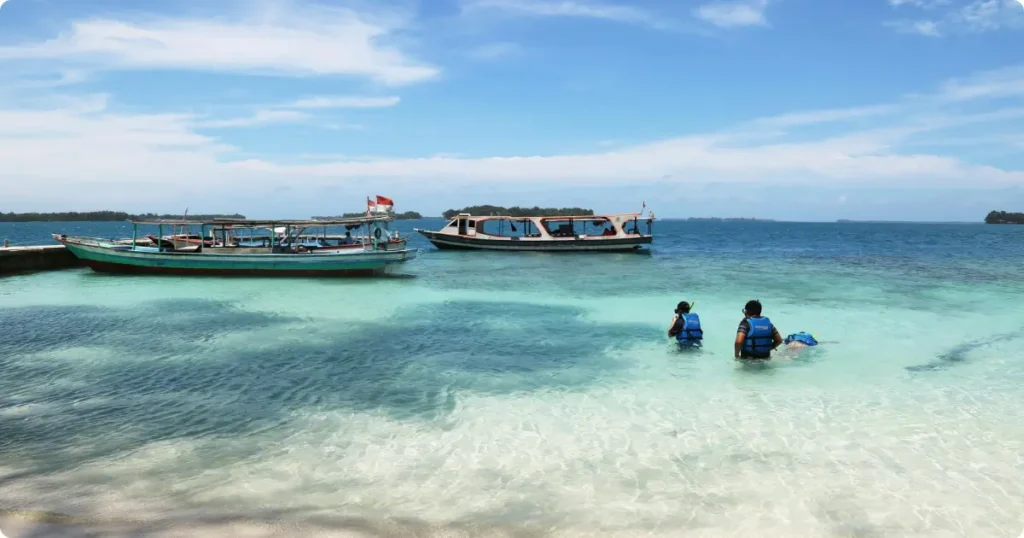
Not every top-ranked destination suits first-time snorkelers. Here is how our five destinations stack up for beginners specifically.
- Choose Curaçao first — calm shore entries, shallow reefs, and no boat required
- Pick Aruba’s Boca Catalina for extremely gentle conditions and easy access
- Avoid Raja Ampat until you have open-water snorkeling experience
- Skip Cozumel drift snorkels — current strength catches beginners off guard
- Use the Florida Keys only with a guided boat tour for safety
Curaçao and Aruba both offer waist-deep reef access at certain beaches. Because beginners need calm, shallow water without current, these two islands provide the safest starting points.
For complete beginners, our snorkeling gear guide covers essential equipment choices that make the learning curve easier.
How to Choose the Right Destination for Your Trip
The best snorkeling destination depends on your priorities. Here is how to narrow it down quickly.
- Pick Curaçao for the best all-around Caribbean snorkeling vacation
- Choose Raja Ampat if marine biodiversity matters more than budget
- Use the Florida Keys for a quick US-based weekend snorkeling trip
- Select Cozumel for strong marine life within a short flight from the US
- Skip Aruba if snorkeling is your primary trip purpose
Budget matters significantly. A week in Curaçao costs roughly half of a Raja Ampat liveaboard. Meanwhile, the Florida Keys offer the cheapest option for US-based travelers — no passport required.
Additionally, consider your travel window. Caribbean destinations perform best from December through April. Raja Ampat peaks between October and April. As a result, winter travelers from the US and UK have strong options on both sides of the globe.
The Verdict
I came into this comparison expecting the Caribbean to dominate. Instead, I found a wider gap between destinations than anticipated.
Raja Ampat earned the top ranking because nothing else matches its biodiversity and reef health. However, most US and UK travelers should start with Curaçao. It delivers the strongest shore-access snorkeling experience in the Caribbean — without requiring a boat, a massive budget, or 30 hours of travel.
The Florida Keys and Cozumel both serve their niche well. Meanwhile, Aruba works better as a beach trip than a snorkeling destination. Our team found that matching your experience level and budget to the right destination matters more than chasing the “best” spot on paper. Explore our Caribbean snorkeling guide for deeper regional breakdowns.
The underwater world rewards travelers who do their homework first. These rankings exist so yours starts with honest data instead of resort marketing.
