


I’ve spent years researching adventure travel safety across dozens of activities and destinations. The question isn’t whether adventure travel is dangerous it’s whether the risks are what most people assume.
The internet is full of scare stories about shark attacks, bungee cord failures, and freak accidents. Meanwhile, the data tells a completely different story. Most adventure travelers never look at the actual numbers before deciding what’s safe and what isn’t.
This guide breaks down real injury and fatality statistics for every major adventure activity. No fear-mongering. No vague reassurances. Just data.
QUICK ANSWER: Adventure travel is statistically safer than most people assume. The CDC confirms that motor vehicle crashes not adventure activities cause 26% of all non-natural traveler deaths abroad. Popular activities like scuba diving (1 in 34,000 fatality rate), snorkeling, and guided hiking carry far lower risk than everyday driving. The real dangers are road travel, drowning in unguarded water, and skipping travel insurance.
How Safe Is Adventure Travel, Really?
This section puts adventure travel risk into perspective against everyday activities most people never question.
- Check the baseline: driving kills roughly 1 in 7,142 participants annually
- Avoid assuming adventure equals danger — guided activities carry managed risk
- Use CDC data as your benchmark — it tracks traveler deaths by cause globally
- Skip the headlines — shark attacks and bungee failures dominate news but not statistics
- Pick perspective over panic — more travelers die from food poisoning than extreme sports
The CDC’s Yellow Book states that adventure travel carries greater risk of illness and injury compared to conventional travel. However, that comparison needs context. The increased risk comes largely from remote locations, limited medical access, and physical exertion — not from the activities themselves being inherently deadly.
Between 2019 and 2021, over 1,500 U.S. citizens died from non-natural causes in foreign countries. Motor vehicle crashes led the list at 26%. Drowning, homicide, and suicide followed. Adventure activities as a category didn’t even rank among the top causes.
Adventure Travel Injury Statistics by Activity
| Activity | Fatality Rate (per participation) | Primary Cause of Death | Risk Level |
|---|---|---|---|
| BASE Jumping | 1 in 60 | Impact / parachute failure | Extreme |
| Mountaineering (8,000m+) | 1 in 3,125 | Altitude sickness / falls | Very High |
| Cave Diving | 1 in 3,333 | Disorientation / air supply | Very High |
| Driving (USA annual) | 1 in 7,142 | Collisions | Moderate |
| Horse Riding | 1 in 10,000 | Head injuries from falls | Moderate |
| Kayaking / Canoeing | 1 in 10,000 | Drowning | Moderate |
| Paragliding (solo) | 1 in 13,513 | Turbulence / collision | Moderate |
| Scuba Diving | 1 in 34,000 | Drowning / decompression | Low |
| Tandem Skydiving | 1 in 500,000 | Equipment failure | Very Low |
| Skiing / Snowboarding | 1 in 1,400,000 | Tree collisions | Very Low |
| Bungee Jumping | 1 in 500,000 (est.) | Equipment / operator failure | Very Low |
| Zip Lining | 1 in 50,000,000 | Falls / mechanical failure | Negligible |
This section presents fatality and injury rates for the most popular adventure activities worldwide.
Hiking and Trekking
Hiking is the most popular adventure activity globally. It’s also one of the safest when done responsibly.
- Check conditions first — weather causes more hiking deaths than terrain difficulty
- Use proper footwear — falls account for the majority of trekking injuries
- Avoid altitude sickness by acclimatising before high-elevation treks
- Pick marked trails — off-trail hiking dramatically increases rescue incidents
Research from the Austrian Alps estimates a hiking fatality rate of approximately 0.04 deaths per 1,000 participants annually. Additionally, fatality rates in mountain hiking have actually decreased by 30–40% over recent years due to better rescue operations and gear improvements.
Nepal trekking carries slightly higher risk. Historical data shows a mortality rate of roughly 0.014 per 100 trekkers. Most deaths result from altitude sickness rather than falls or trail conditions.
Scuba Diving
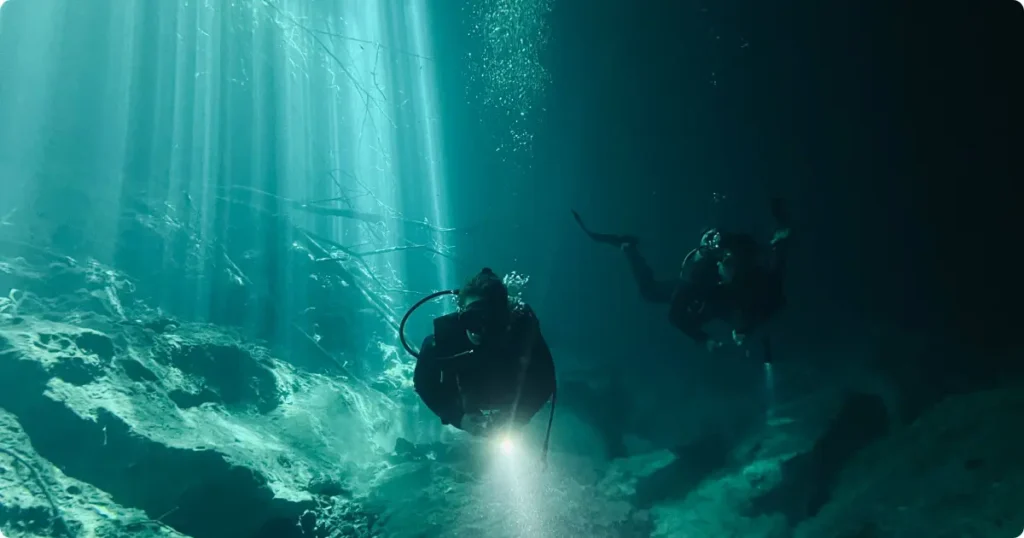
Scuba diving carries a fatality rate of approximately 1 in 34,000 participants. That places it well below driving, horse riding, and even recreational cycling in terms of risk.
- Pick PADI or SSI certified operators — certification standards exist for a reason
- Skip deep dives until properly trained — most fatalities involve exceeding skill level
- Check equipment personally before every dive — gear failure is preventable
- Avoid flying within 24 hours of diving — decompression sickness is a real risk
Most diving fatalities involve pre-existing medical conditions, panic underwater, or rapid ascent. Divers who follow training protocols and dive within their certification limits face extremely low risk.
Snorkeling
Snorkeling is one of the safest water-based adventure activities. However, drowning risk exists — particularly for inexperienced swimmers in unfamiliar currents.
- Use a life vest if you’re not a confident swimmer — no shame in safety
- Avoid snorkeling alone — buddy systems prevent most emergencies
- Check local current conditions before entering the water
- Skip full-face masks with poor ventilation — studies show CO2 buildup risks
The CDC identifies drowning as a leading cause of injury death for travellers visiting countries where water recreation is a major draw. However, most snorkeling drownings involve alcohol use, lack of swimming ability, or unfamiliar rip currents — not the activity itself.
Bungee Jumping and Skydiving
These activities carry the “extreme” label. The statistics tell a more nuanced story.
- Choose operators with verifiable safety records — regulation varies wildly by country
- Avoid unlicensed operators — especially in developing tourism markets
- Check age and weight limits honestly — they exist for engineering reasons
- Skip it if you have heart conditions — sudden adrenaline spikes carry medical risk
Tandem skydiving — the type most adventure travelers experience — has a fatality rate of roughly 1 in 500,000 jumps. That makes a single tandem skydive statistically safer than driving to the drop zone.
Bungee jumping fatality data is harder to pin down. However, incidents are extremely rare at established commercial operations. Most recorded fatalities involve unlicensed operators or equipment that hasn’t met international safety standards.
White Water Rafting and Kayaking
Commercial white water rafting on Class III–IV rapids carries manageable risk when operated by licensed outfitters.
- Pick licensed operators with guide-to-guest ratios of at least 1:8
- Use all provided safety gear — helmets and life jackets are non-negotiable
- Avoid rivers during flood conditions — operators should cancel in these situations
- Check the outfitter’s safety briefing quality — a rushed briefing is a red flag
Kayaking fatality rates sit at approximately 1 in 10,000 participants annually. The vast majority of these involve solo paddlers on unguided expeditions. Commercial rafting operations carry significantly lower risk because guides manage route selection and safety protocols.
The Biggest Risks in Adventure Travel (They’re Not What You Think)
This section reveals what actually hurts and kills adventure travelers — and it’s rarely the adventure itself.
- Avoid motorbike rentals in countries with poor road safety — this is the number one killer
- Skip unregulated local transport — overcrowded minibuses cause disproportionate fatalities
- Check water depth before diving in — shallow-water diving causes spinal injuries
- Avoid alcohol before any physical activity — it’s a factor in a significant number of drownings
- Use sunscreen and hydration protocols — heat exhaustion ends more trips than injuries
Motor vehicle crashes remain the leading cause of non-natural death for American travelers abroad. This isn’t an adventure travel statistic — it’s a general travel statistic. The adventure isn’t what’s dangerous. The taxi ride to the adventure is.
Cognitive bias plays a significant role in adventure travel risk. The CDC identifies several types: familiarity bias causes experienced travelers to miss warning signs. Scarcity bias pushes people to attempt a summit or dive when conditions aren’t right. Social pressure leads to poor decisions when group dynamics override individual judgment.
INSIDER SECRET: The single most effective safety measure for any adventure trip isn’t gear, fitness, or experience. It’s choosing a reputable operator with current safety certifications and a documented emergency response plan. One phone call or email asking for their safety record tells you more than any review site.
How Reputable Operators Reduce Adventure Travel Risk
This section explains how professional adventure companies manage risk so travelers don’t have to guess.
- Check for industry association membership — ATTA members follow established safety guidelines
- Ask about guide qualifications — certified guides reduce incident rates dramatically
- Verify emergency evacuation plans — remote locations need satellite communication
- Pick operators that cancel for weather — a company willing to lose revenue for safety is trustworthy
- Avoid operators that remove safety gear for photos — this is a serious red flag
The Adventure Travel Trade Association maintains health and safety guidelines developed with input from Cleveland Clinic. These cover everything from guide training to emergency protocols. Operators displaying ATTA membership have committed to following these standards.
Research from New Zealand — often called the adventure capital of the world — shows that adventure tourism injuries represented 17% of overseas visitor injuries but accounted for 22% of fatalities over a 15-year study period. However, the injury incidence rate was approximately 8 hospitalised injuries per 100,000 visitors. For comparison, motor vehicle accidents in the same period caused 12 hospitalised injuries per 100,000 visitors.
Adventure Travel Insurance: What Actually Matters
This section covers the insurance gaps that catch adventure travelers off guard.
- Check your policy’s activity exclusions — standard travel insurance often excludes adventure sports
- Pick a policy that explicitly names your planned activities — “adventure cover” is vague
- Avoid assuming your health insurance works abroad — most U.S. policies don’t cover international care
- Use a policy with medical evacuation coverage — evacuations from remote areas can exceed $100,000
- Verify coverage for trip-specific gear — lost or damaged equipment adds up fast
The U.S. State Department strongly recommends medical evacuation insurance for adventure travelers. Standard travel insurance frequently excludes activities like scuba diving below certain depths, mountaineering above specific altitudes, or any activity requiring a waiver.
Therefore, reading the fine print isn’t optional. A policy that covers “adventure travel” may still exclude the specific activity you’re planning. Always confirm coverage in writing before departure.
How to Assess Risk Before Any Adventure Trip
| Risk Factor | What to Check | Red Flag |
|---|---|---|
| Operator Certification | ATTA membership, national licenses, guide qualifications | No visible certifications or evasive answers |
| Safety Briefing | Duration, detail, language accessibility | Briefing under 5 minutes or skipped entirely |
| Equipment Condition | Age of gear, maintenance logs, replacement schedule | Visibly worn gear, no helmets or life jackets provided |
| Guide-to-Guest Ratio | Ratio of 1:8 or lower for water/climbing activities | One guide for 15+ participants |
| Emergency Plan | Evacuation route, satellite communication, first aid kit | No plan explained or no communication devices visible |
| Weather Policy | Cancellation policy for adverse conditions | Operator refuses to cancel regardless of conditions |
| Insurance Compatibility | Activity explicitly named in your policy | Policy uses vague “adventure” language without specifics |
| Physical Requirements | Stated fitness level, age/weight limits, health disclosures | No physical screening or health questions asked |
This section provides a practical framework for evaluating safety before booking any adventure activity.
- Research the operator’s safety record — not just their TripAdvisor rating
- Check government travel advisories for your destination — both U.S. and UK sources
- Verify your physical fitness honestly — goal-oriented bias causes people to exceed limits
- Ask about guide-to-participant ratios — lower ratios mean better safety oversight
- Skip activities where waivers mention death without explaining safety protocols
The CDC recommends making an appointment with a travel health specialist at least four to six weeks before departure. This applies especially to high-altitude trekking, diving in remote locations, and any activity in tropical climates where disease risk exists alongside physical risk.
Meanwhile, the U.S. State Department’s Smart Traveler Enrollment Program is free. It sends security alerts and allows embassies to contact you in emergencies. Registration takes five minutes and costs nothing.
The Verdict
I built this guide because the adventure travel safety conversation is broken. One side screams danger. The other side dismisses all risk. Neither helps anyone make a good decision.
The data is clear. Adventure travel when done with reputable operators, proper insurance, and honest self-assessment carries far less risk than most people assume. The real threats aren’t cliff edges or deep water. They’re unregulated transport, skipped insurance, and cognitive bias that pushes people past their limits.
Our team has reviewed CDC data, academic research, and industry safety standards across every major adventure activity. The conclusion is consistent: preparation eliminates most risk. Choose certified operators. Buy proper adventure travel insurance. Assess your fitness honestly. Do those three things and the statistics are firmly on your side.
Adventure travel isn’t about being reckless. It’s about being informed. Now you have the data to be exactly that.
