

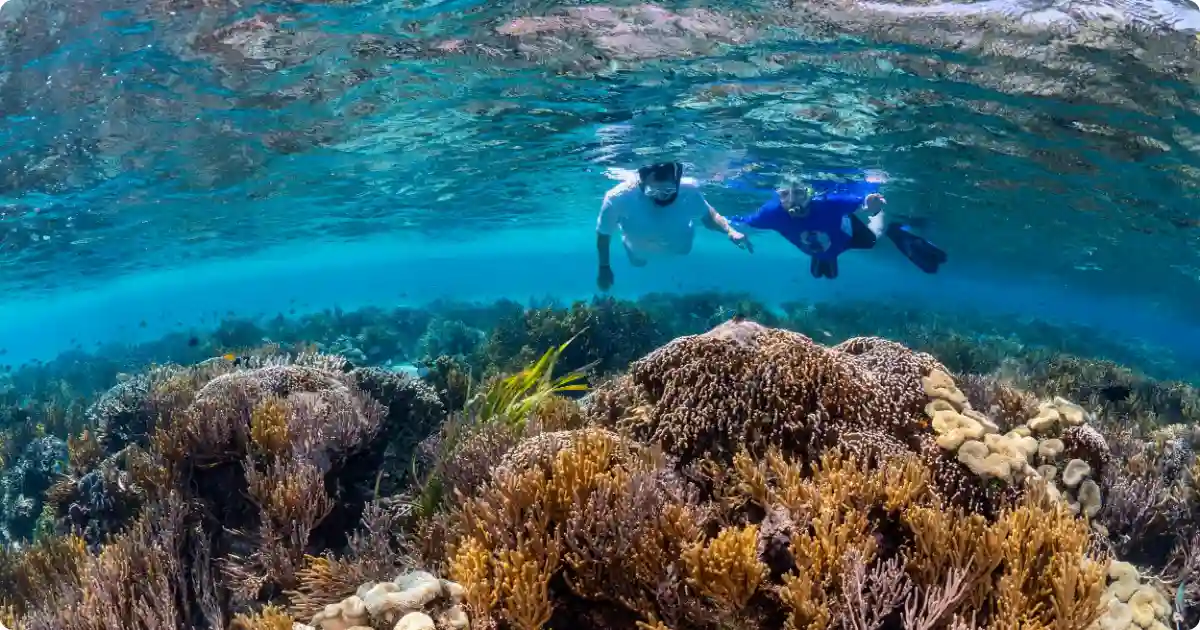
I’ve snorkeled across 14 Caribbean islands and most “best snorkeling” guides out there read like resort brochures.
The real frustration? Every list ranks islands without telling you the one thing that matters most. Can you actually walk off the beach and snorkel something worth seeing? Or do you need a $120 boat tour just to reach the reef?
This guide ranks the best snorkeling in the Caribbean by shore access, water clarity, and marine life quality island by island, beach by beach.
THE SHORT ANSWER: Bonaire offers the best overall snorkeling in the Caribbean. Its protected marine park runs the entire coastline, and over 60 marked shore-entry sites put world-class reefs within wading distance. For beginners, St. John in the USVI wins with calm bays, a marked underwater trail at Trunk Bay, and national park protections that keep the water pristine.
Why the Caribbean Deserves Its Snorkeling Reputation
The Caribbean sits in a league of its own for accessible reef snorkeling. However, not every island delivers equal value once you’re in the water.
- Check water temperature first — it stays between 78–84°F year-round
- Pick islands with marine park protections for healthier coral
- Avoid islands where reefs sit more than a mile offshore
- Use shore-entry sites to skip expensive boat tours
- Choose leeward (western) coastlines for calmer conditions
Caribbean reefs host species found nowhere else on earth. Elkhorn coral, Caribbean reef squid, and spotted eagle rays are regional exclusives. Because the sea is relatively enclosed, visibility regularly exceeds 80 feet on protected coasts.
Best Caribbean Islands for Shore Snorkeling
| Island | Shore Access | Visibility | Top Shore Site | Best For |
|---|---|---|---|---|
| Bonaire | 60+ marked entries | 80–100 ft | 1000 Steps | Overall best shore snorkeling |
| St. John, USVI | 6+ beach entries | 60–80 ft | Trunk Bay | Beginners & families |
| Curaçao | 30+ shore sites | 80–100 ft | Tugboat Beach | Shore-access wreck snorkeling |
| Grand Cayman | 5–8 shore sites | 60–100 ft | Cemetery Beach | Stingray encounters |
| Turks & Caicos | 4–6 shore sites | 100+ ft | Smith’s Reef | Best water clarity |
| St. Croix | 5–7 shore sites | 60–80 ft | Cane Bay | Wall drop-off from shore |
Shore snorkeling changes everything about a Caribbean trip. No tour schedule. No boat crowd. Just grab your mask and walk in. These islands deliver the best snorkeling in the Caribbean directly from the beach.
Bonaire — Best Overall Shore Snorkeling
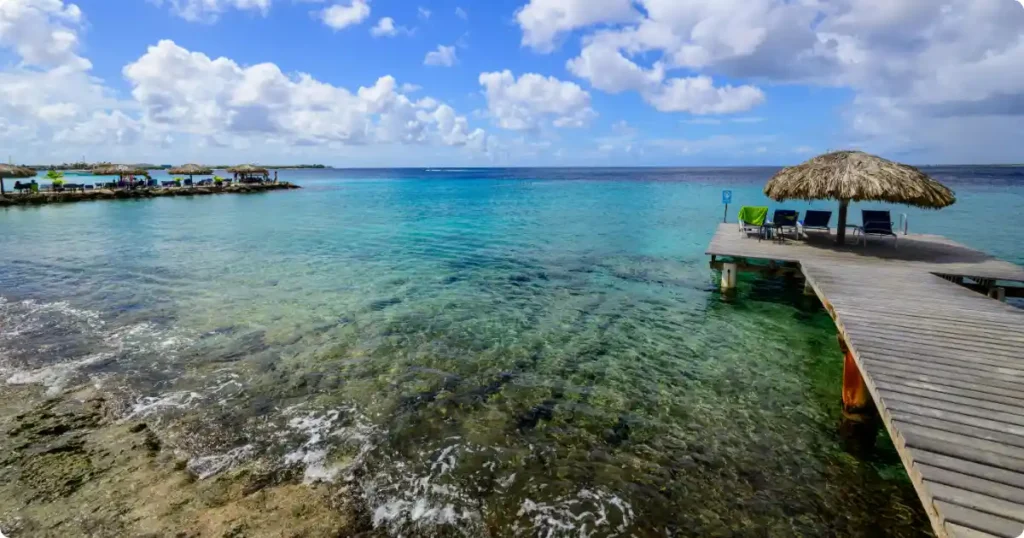
Bonaire’s entire coastline falls within the Bonaire National Marine Park. That protection, established in 1979, created one of the healthiest reef systems in the western Atlantic.
- Pick any of 60+ marked shore-entry points around the island
- Use yellow stone markers along the coast road to find each site
- Choose 1000 Steps for turtle encounters and healthy staghorn coral
- Skip the southern salt flats area — access is restricted
- Check Klein Bonaire for a short boat ride to pristine drift snorkeling
Most sites sit within 30 feet of shore. The reef drops off quickly, which means you’re over living coral almost immediately after entering. Angel City and Salt Pier consistently deliver eagle ray and seahorse sightings.
Because Bonaire sits outside the hurricane belt, reef damage from major storms is minimal. That geographic advantage keeps coral coverage higher than almost anywhere else in the Caribbean.
St. John, USVI — Best for Beginners
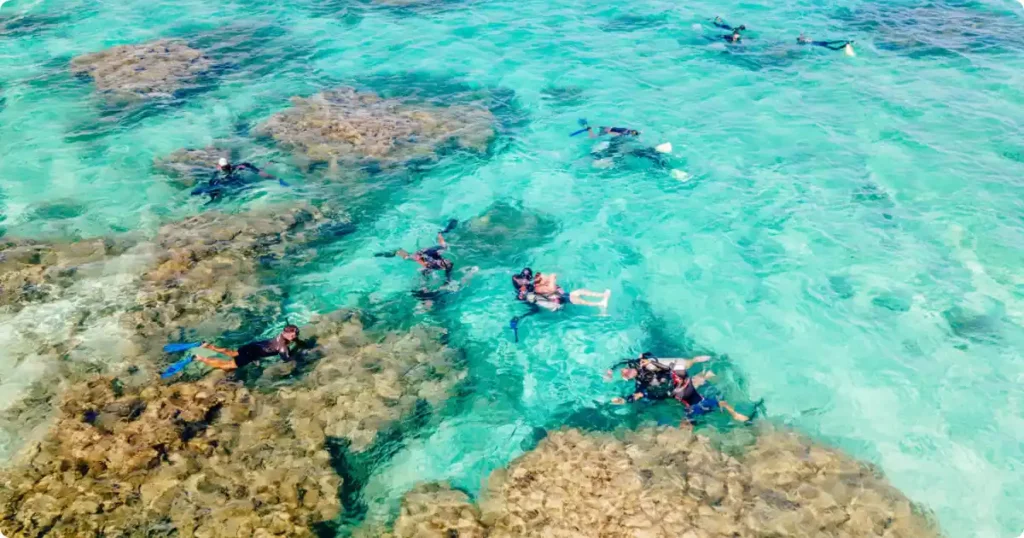
Two-thirds of St. John is protected by the Virgin Islands National Park. That federal protection extends underwater, creating some of the most beginner-friendly snorkeling in the Caribbean.
- Pick Trunk Bay for a marked 225-yard underwater snorkeling trail
- Use Maho Bay for sea turtle sightings in shallow, calm water
- Avoid Haulover Bay on windy days — current picks up fast
- Check Waterlemon Cay by swimming 200 yards from the Leinster Bay trail
Trunk Bay charges a small national park access fee. However, the marked trail makes it the single best introduction to Caribbean snorkeling. Submerged plaques identify coral species and fish as you swim the route.
Additionally, Maho Bay delivers reliable green sea turtle encounters. The turtles graze on seagrass beds in waist-deep water, making this one of the few spots where even nervous first-timers can observe marine life up close.
Curaçao — Best for Wreck Snorkeling From Shore
Curaçao combines shore-accessible reefs with something rare — a sunken tugboat you can reach without a boat.
- Pick Tugboat Beach for a 100-yard swim to a wreck at 15 feet depth
- Use Playa Lagun for a sheltered cove with guaranteed turtle sightings
- Avoid the east coast entirely — rough surf and no reef protection
- Check Director’s Bay for coral gardens and minimal crowds
The Curaçao Underwater Marine Park stretches 12 miles along the southern coast. Because the island sits in the southern Caribbean below the hurricane belt, reef damage stays low. Water visibility averages 80–100 feet from January through April.
Grand Cayman — Best for Unique Marine Encounters
Grand Cayman offers something no other Caribbean island matches — Stingray City. This shallow sandbar in the North Sound puts you waist-deep among dozens of southern stingrays.
- Pick Stingray City sandbar for a guided encounter at 4 feet depth
- Use Smith Cove for easy shore-entry reef snorkeling near George Town
- Avoid Seven Mile Beach for snorkeling — beautiful sand, limited reef
- Check Cemetery Beach for the best shore reef on the west side
Stingray City requires a short boat ride. However, the sandbar itself sits in only 3–4 feet of water. Even non-swimmers can stand comfortably while stingrays glide past.
For shore snorkeling, Cemetery Beach puts you over a healthy reef within 50 feet of the waterline. Parrotfish, blue tangs, and juvenile barracuda are common sightings there.
Turks and Caicos — Best Visibility
Turks and Caicos regularly delivers the clearest water in the Caribbean. Visibility exceeding 100 feet is common, especially on the calmer Providenciales coast.
- Pick Smith’s Reef for the best free shore snorkeling on Provo
- Use The Bight Reef for a family-friendly entry with parking nearby
- Avoid Grace Bay’s central stretch — stunning beach, minimal reef
- Check Grand Turk’s wall for dramatic drop-off snorkeling
Smith’s Reef sits directly off the beach with no entrance fee. Two separate reef systems — Turtle Cove side and Bright side — offer different terrain. The Turtle Cove entrance delivers more hard coral coverage, while the Bright side has larger fish schools.
St. Croix — Most Underrated
St. Croix consistently flies under the radar. Most travelers pick St. Thomas or St. John instead. That’s a mistake for serious snorkelers.
- Pick Cane Bay for shore access to a dramatic wall drop-off
- Use Buck Island Reef National Monument for elkhorn coral forests
- Avoid the south coast — limited reef and occasional rough water
- Check Frederiksted Pier for one of the Caribbean’s most unique night snorkels
Cane Bay puts you over a reef wall within 100 yards of shore. The wall plunges from 30 feet to thousands. Because the drop-off sits so close to land, you get deep-water reef diversity without a boat.
Buck Island requires a short boat trip. However, the elkhorn coral formations there rank among the healthiest remaining stands in the entire Caribbean.
Best Caribbean Islands for Boat-Access Snorkeling
Some of the Caribbean’s most spectacular reefs sit offshore. These islands require a tour or charter — but the marine life justifies the cost.
Belize — Best Barrier Reef Experience
The Belize Barrier Reef is the second largest in the world and a UNESCO World Heritage Site. Hol Chan Marine Reserve near Ambergris Caye delivers the most accessible section.
- Pick Hol Chan Marine Reserve for dense fish populations and nurse sharks
- Use Shark Ray Alley for close encounters with stingrays
- Avoid relying on San Pedro shore snorkeling alone — the reef sits offshore
- Check Turneffe Atoll or Glover’s Reef for uncrowded alternatives
Hol Chan’s channel concentrates marine life into a narrow, shallow area. Schools of horse-eye jacks, permit, and sergeant majors swarm the cut. The northern edge features elkhorn coral forests and a small swim-through tunnel.
Because the barrier reef sits 1–8 miles offshore, boat access is mandatory. Budget $60–$100 per person for half-day tours from Ambergris Caye or Caye Caulker.
Tobago Cays, Grenadines — Best Remote Snorkeling
The Tobago Cays Marine Park comprises five uninhabited islands surrounded by horseshoe-shaped reef. This is Caribbean snorkeling at its most untouched.
- Pick the turtle sanctuary area for guaranteed green sea turtle encounters
- Use the windward reef for the healthiest coral coverage
- Avoid visiting without a charter or sailboat — no regular ferry service
- Check Petit Tabac for calm leeward snorkeling with minimal current
Access typically requires a catamaran charter from St. Vincent, Bequia, or Union Island. The remoteness filters out casual tourists. As a result, marine life density here rivals anything in the Caribbean.
Aruba — Best Wreck Snorkeling by Boat
Aruba’s highlight is the Antilla — one of the largest shipwrecks in the Caribbean. This German freighter sits in 60 feet of water and is accessible to strong snorkelers from the surface.
- Pick the Antilla wreck tour for a massive structure covered in coral
- Use Malmok Beach for the best shore snorkeling on the northwest coast
- Avoid Baby Beach if seeking reef diversity — it’s calm but limited
- Check Boca Catalina for a sheltered shore-entry alternative
Malmok Beach and Boca Catalina both offer free shore access. However, the Antilla wreck requires a boat tour, typically running $45–$75 per person. The wreck sits upright and is large enough to see clearly from the surface while snorkeling above it.
Best Time to Snorkel in the Caribbean
Caribbean water stays warm year-round. However, conditions vary by season.
- Pick December through April for the calmest seas and best visibility
- Use January through March for the driest weather across most islands
- Avoid September and October — peak hurricane season disrupts conditions
- Check southern islands (Bonaire, Curaçao, Aruba) for year-round calm
Water temperature rarely drops below 78°F even in January. Therefore, wetsuits are unnecessary for most people. A rash guard provides sufficient thermal comfort plus sun protection.
INSIDER SECRET: Visibility actually improves during cold fronts in certain locations. Bonaire and Hol Chan Marine Reserve in Belize both get clearer water when cooler weather stirs offshore sediment patterns.
Shore vs. Boat Snorkeling: Which Should You Choose?
| Factor | Shore Snorkeling | Boat Snorkeling |
|---|---|---|
| Cost per session | Free | $45–$120 per person |
| Daily flexibility | Snorkel anytime, multiple sessions | Fixed schedule, typically once daily |
| Reef quality | Good to excellent (island-dependent) | Excellent to world-class |
| Crowd levels | Low — you choose your timing | Moderate — shared tour groups |
| Gear provided | No — bring your own | Yes — included on most tours |
| Best islands | Bonaire, Curaçao, St. John, Turks & Caicos | Belize, Grenadines, Aruba (Antilla wreck) |
| Skill level needed | Beginner-friendly at most sites | Varies — some sites have current |
This decision shapes your entire trip budget and daily schedule.
- Pick shore snorkeling for freedom, repeat visits, and zero tour costs
- Use boat tours for barrier reefs, wrecks, and remote cays
- Avoid boat-only islands if you want to snorkel multiple times daily
- Choose islands with both options for the most flexibility
Shore snorkeling works best on Bonaire, Curaçao, St. John, and Turks and Caicos. Each offers multiple walk-in sites with healthy reef within wading distance. Boat snorkeling dominates in Belize, the Grenadines, and Grand Cayman’s Stingray City.
For the best value, choose an island with strong shore snorkeling. You’ll snorkel three or four times more often when there’s no tour to book.
What to Bring on a Caribbean Snorkeling Trip
Rental gear on Caribbean islands is hit-or-miss. Foggy masks and ill-fitting fins ruin more snorkeling sessions than rough water ever will.
- Bring your own mask and snorkel — fit matters more than any other factor
- Use compact travel fins that fit in a carry-on
- Pick reef-safe sunscreen to protect both your skin and the coral
- Pack a rash guard for sun protection during long sessions
- Skip full-face snorkel masks — traditional masks offer better safety
Your own well-fitted mask eliminates the single biggest frustration in snorkeling: water leaks. A leaking rental mask turns a spectacular reef into an exercise in clearing water from your eyes.
Bottom Line
I keep coming back to Bonaire. No other Caribbean island puts world-class reef this close to shore, this consistently, across this many sites. However, the best island for your trip depends on what you need.
Beginners should start at St. John’s Trunk Bay. Wreck enthusiasts belong in Curaçao or Aruba. Families wanting clear, calm water will love Turks and Caicos. Budget travelers benefit most from shore-snorkel islands where daily reef access costs nothing.
The Caribbean delivers some of the best snorkeling on earth. Picking the right island and knowing whether you can walk in from the beach makes the difference between a good trip and an unforgettable one.
