

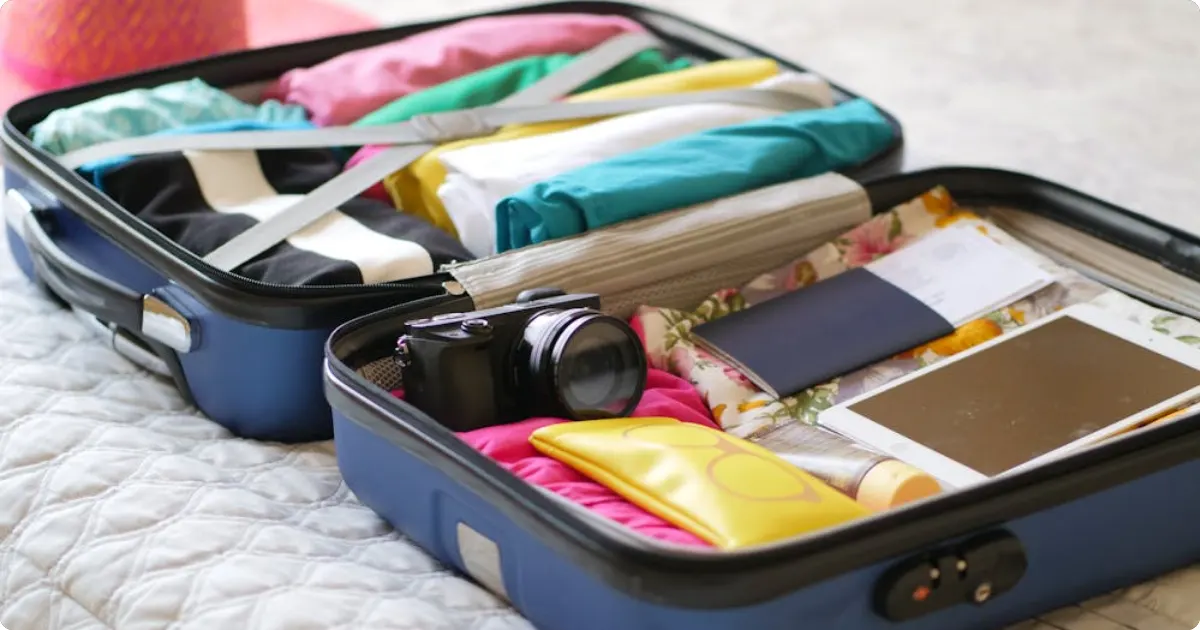
I’ve tested travel gear across dozens of trips and I’ve wasted hundreds of dollars so you don’t have to.
Every airport departure hall is full of travelers lugging gear they bought in a panic the week before. They packed gadgets they’ll never use, tools that duplicate what they already own, and products that sound clever in an Amazon listing but fail the moment they hit the real world.
This list cuts through the noise. I break down what’s genuinely not worth buying, what the marketing won’t tell you, and what to spend your money on instead.
QUICK ANSWER: The travel gear most consistently not worth buying includes neck pillows, luggage locks, travel-sized hair dryers, packing cubes, compression bags, travel wallets, portable alarm clocks, and travel umbrellas. Most of these duplicate items you already own or get replaced free at your hotel. Save your money.
Why Travelers Keep Buying Gear They Don’t Need
The travel gear industry is built on one emotion: pre-trip anxiety.
When you’re 10 days from a major trip, you’re mentally running through every disaster scenario. What if your bag gets searched? What if it rains? What if the hotel has no hair dryer? That anxiety is exactly what travel product marketing exploits. The solution is always the same buy this thing and feel prepared.
- Avoid buying travel gear in the final week before a trip — panic purchases rarely survive one use
- Skip any product with “travel-sized” or “travel-friendly” in the name without reading real reviews first
- Use the 3-trip rule: if you haven’t needed it on your last 3 trips, you won’t need it on the next one
- Check before purchasing — most hotels, Airbnbs, and cruise cabins provide the basics for free
- Avoid gear that only solves a problem you haven’t actually had yet
The Marketing Trap Behind “Travel-Specific” Products
Brands know that travelers are a captive audience. A product sold as “travel-specific” can command 2–3x the price of its everyday equivalent even when it performs worse. A travel hair dryer costs $40 and takes four times longer than a $25 model from Target. A travel umbrella costs $30 and folds so small it also blows inside-out in mild wind.
The formula is consistent: take a normal product, make it smaller, call it a travel version, and triple the markup. Most of the time, the hotel already has one waiting for you anyway.
Travel Gear That’s Genuinely Not Worth the Money
| Product | Avg. Cost | Why It Fails | Free/Cheap Alternative | Verdict |
|---|---|---|---|---|
| Neck Pillow (standard) | $15–$50 | Fails on aisle/middle seats; airline provides on long-haul | Rolled jacket against window | ❌ Skip |
| Luggage Lock | $8–$25 | Zip bags bypassed in seconds; TSA cuts non-approved locks | Hotel safe + travel insurance | ❌ Skip |
| Travel Hair Dryer | $25–$60 | Max 1000W vs hotel’s 1800–2000W; 15 min slower daily | Hotel dryer (provided free) | ❌ Skip |
| Packing Cubes | $20–$60/set | Reorganize space, don’t create it; add weight | Gallon zip-lock bags ($2) | ⚠️ Only if you repack often |
| Travel Wallet | $15–$45 | Card swap creates risk; passport cover clogs scanners | Regular wallet + hotel safe | ❌ Skip |
| Portable Luggage Scale | $10–$20 | Used once; bathroom scale method works identically | Bathroom scale at home | ❌ Skip |
| Travel Umbrella | $15–$40 | Inverts above 20mph; canopy too small; frame compromised | Packable rain jacket or $3 local umbrella | ❌ Skip |
| Compression Bags | $15–$40 | Can’t re-vacuum mid-trip; damages down fill over time | Roll-pack clothing instead | ❌ Skip for carry-on |
| Travel Medical Kit | $25–$60 | 30–40 items; you’ll use 2–3; rest is dead weight | DIY 7-item zip-lock kit (~$8) | ❌ Skip pre-packaged |
| Luggage Tags | $5–$30 | Airlines trace via barcode sticker, not your tag | Business card inside bag | ❌ Skip |
| Travel Steamer | $20–$50 | Under 800W can’t remove real creases; hot shower works free | Downy Wrinkle Releaser ($4) | ❌ Skip |
| Portable Alarm Clock | $10–$30 | Your phone does this better in every category | Phone alarm + hotel wake-up call | ❌ Skip |
These are the products our team has tested, regretted, and stopped packing entirely.
Neck Pillows
Neck pillows are one of the most overhyped products in the travel aisle.
- Skip inflatable versions entirely — they collapse at the worst moment
- Avoid memory foam neck pillows over 300g — they’re too heavy for carry-on
- Use a rolled hoodie or window seat instead on flights under 6 hours
- Check if your airline provides pillows on long-haul routes before packing one
- Pick a compressible option only if you regularly take overnight flights
The marketing shows a serene traveler sleeping peacefully across three seats. The reality is you’re fighting for armrest space with a foam horseshoe jabbing your ear. For short-haul flights, a jacket balled against the window does the same job for free. For long-haul, most international carriers provide pillows and blankets in economy.
INSIDER SECRET: The one neck pillow genuinely worth buying is the Trtl — it looks nothing like a traditional neck pillow, weighs 148g, and actually keeps your head upright rather than flopping forward. Every other model in our testing failed this basic test.
| Neck Pillow Type | Weight | Avg. Price | Best For | Verdict |
|---|---|---|---|---|
| Trtl Pillow | 148g | ~$45 | Window & aisle seats, overnight flights | ✅ Worth it |
| Memory Foam Horseshoe | 300–500g | $20–$50 | Window seat only | ❌ Skip it |
| Inflatable Horseshoe | 80–120g | $10–$25 | Light packing only | ❌ Skip it |
| Microbead Pillow | 250–400g | $15–$35 | Short-haul comfort | ❌ Skip it |
| Rolled Jacket | 0g (you’re already wearing it) | $0 | Flights under 6 hours | ✅ Best free option |
Luggage Locks
Luggage locks feel like security. They rarely provide it.
- Skip TSA non-approved locks entirely — agents will cut them, not unlock them
- Avoid cable locks on zippers — any pen tip can bypass most zip pulls in under 10 seconds
- Use a hotel safe for valuables instead of securing them in your bag
- Choose hotels with in-room safes over relying on bag security at all
- Check your travel insurance — most policies cover theft regardless of lock use
Here’s what the packaging won’t say: a determined thief doesn’t need your key. Zip-based luggage can be breached with a ballpoint pen in seconds, lock or no lock. TSA agents in the US are legally permitted to break any non-approved lock if they need to inspect your bag. The only scenario a lock genuinely helps is deterring opportunistic theft at a baggage carousel — and for that, a brightly colored luggage strap does the same job for $5.
Travel-Sized Hair Dryers and Straighteners
This category has the worst performance-to-price ratio in all of travel gear.
- Skip travel straighteners under 1-inch plates — they take 4x longer on any hair type
- Avoid dual-voltage claims on budget models — many still fry on European outlets
- Check hotel amenities before packing — virtually all hotels provide standard hair dryers
- Use a universal adapter with your existing dryer if you genuinely need your own
- Choose air-dry or braided styles when traveling light — it saves real time and space
Travel-sized dryers max out around 1000 watts. Standard hotel dryers run 1800–2000 watts. The difference is 15 minutes of drying time every single morning. Over a 10-day trip, that’s two and a half hours lost to a product you paid $40 for. Leave it home.
Packing Cubes
Packing cubes are useful for organization. They are not useful for saving space.
- Use packing cubes only if disorganized packing genuinely stresses you out
- Skip rigid cubes they waste corner space in soft-sided bags
- Avoid buying a full set before testing one cube on a real trip
- Use gallon zip-lock bags as a free alternative that compresses better
- Choose compression packing cubes only for clothing never shoes or toiletries
The common misconception is that cubes help you pack more. They don’t. They reorganize the same volume into labeled compartments. For travelers who empty and repack frequently, they earn their place. For a week-long trip with a set itinerary, they add cost and weight without benefit. A set of $2 zip-lock bags does 80% of the job.
Travel Wallets and Passport Covers
Travel wallets solve a problem most travelers don’t actually have.
- Skip combined passport-wallet hybrids — they’re too bulky for any pocket
- Avoid colorful passport covers if you need to open your passport at speed
- Use your regular wallet plus a passport stored separately in your bag
- Choose a hotel safe for passport storage during your stay
- Pick a basic passport holder only if your passport cover is visibly worn
The pitch is organization and security. The reality is that transferring your cards, IDs, and cash into a new wallet two days before travel creates more risk than it removes. You’re more likely to forget a card during the swap than to get pickpocketed with your regular wallet. Most passport covers also add enough bulk that the document no longer fits cleanly through airport scanners.
Portable Luggage Scales
A portable scale sounds practical until you realize you’ll use it exactly once.
- Skip hanging hook scales under 50lb capacity — most bags approach that limit
- Avoid digital models without auto-hold — you can’t read the display while lifting
- Use the bathroom scale method: weigh yourself, then weigh yourself holding the bag
- Check airline limits before packing, not after — the scale is irrelevant if you overpack
- Choose a model only if you regularly check bags on budget carriers with strict limits
Most travelers use a portable scale at home before heading to the airport and never again during the trip. A bathroom scale achieves exactly the same result. For frequent business travelers checking bags on carriers like Ryanair or Spirit where limits are strictly enforced, a small digital scale earns its place. For everyone else, it’s a single-use tool taking up permanent packing space.
Travel Umbrellas
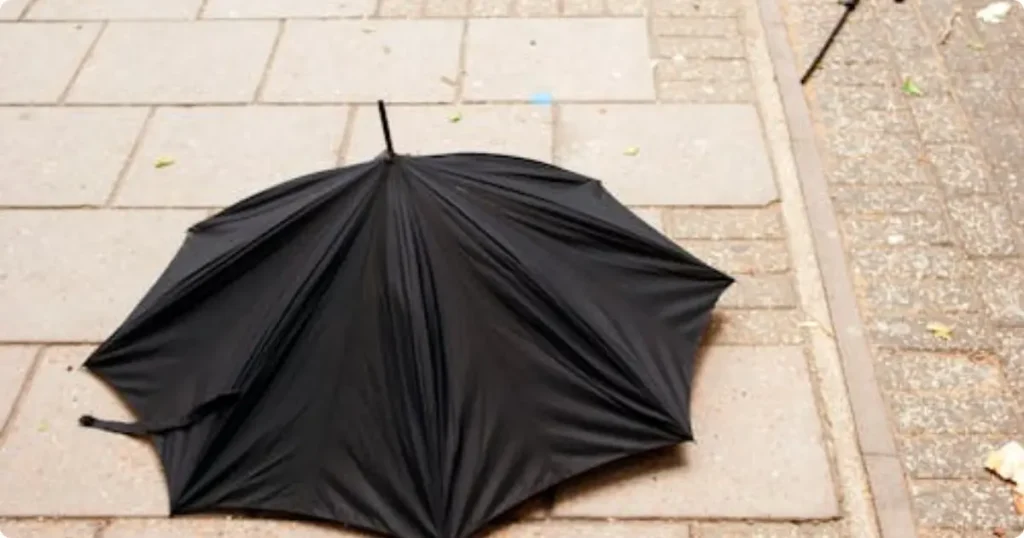
The travel umbrella is one of the industry’s great cons.
- Skip fold-flat umbrellas under 19 inches — they invert in winds above 20mph
- Avoid umbrellas marketed as “pocket size” — the canopy is too small to matter
- Use a packable rain jacket instead — it protects your whole body and packs smaller
- Check the forecast before packing — most short trips don’t encounter sustained rain
- Choose a local convenience store umbrella if caught in unexpected rain abroad — they cost $3
The problem isn’t the concept it’s the physics. Making an umbrella small enough to fit in a jacket pocket means compromising the frame, the canopy size, and the wind resistance. Every travel umbrella we tested failed in moderate wind. A quality packable rain jacket weighs less than most compact umbrellas, packs smaller, and keeps you dry from shoulders to thighs instead of just above the head.
Compression Bags
Compression bags create the illusion of more space.
- Avoid vacuum compression bags for carry-on travel — airlines don’t allow you to re-vacuum mid-trip
- Skip compression bags for down jackets or sleeping gear — they damage the fill over time
- Use roll-top compression only for bulky cotton items like jeans or towels
- Check whether your bag actually has a volume problem before buying — most don’t
- Choose a compression bag system only if you regularly pack significantly more than fits
Here’s what happens every time: you compress everything perfectly at home, arrive at your destination, open the bags, and spend the rest of the trip trying to refit clothing that no longer compresses without the vacuum. The volume you gained at departure disappears the moment you unpack. Additionally, using compression bags regularly on down-fill items jackets, sleeping bag inserts permanently damages the loft over time.
Travel Medical Kits
Pre-packaged travel medical kits are mostly packaging, not medicine.
- Skip complete travel medical kits — the majority of contents go unused
- Avoid kits that include items your destination pharmacy stocks freely
- Build your own kit: ibuprofen, antihistamine, blister plasters, rehydration sachets
- Use hotel first aid services for anything beyond minor cuts or headaches
- Choose travel insurance over a medical kit — it covers what bandages can’t
A standard travel medical kit runs $25–$60 and contains 30–40 items. On a typical trip, you’ll use two or three of them. The rest occupies space and adds weight across every day of travel. Build a custom kit of seven to ten items you actually use, pack them in a small zip-lock, and spend the remaining $45 on better travel insurance.
Luggage Tags
Luggage tags are functionally decorative.
- Skip leather or novelty luggage tags — they’re the first thing lost at baggage carousels
- Avoid rigid plastic tags that attach via a metal loop — they snap under conveyor pressure
- Use the airline’s printed paper tag plus a card inside your bag with your contact details
- Choose a brightly colored luggage strap instead — it serves as ID and security simultaneously
- Check that any tag you use has a privacy cover — open contact details invite risk
Airlines don’t scan your tag to find your bag. They scan the barcode sticker attached to your handle at check-in. A lost bag is traced through that barcode, not through your initialed leather tag. Your personal details on an open luggage tag are also a minor privacy risk at crowded carousels. Put a business card inside your bag and leave the tag at home.
Travel-Sized Steamers
A travel steamer solves a problem that doesn’t exist for most travelers.
- Skip any travel steamer under 800W — the temperature won’t remove real creases
- Avoid packing formal wear that requires steaming — choose wrinkle-resistant fabrics instead
- Use a hot shower method: hang garments in a steamy bathroom for 10 minutes
- Choose Downy Wrinkle Releaser spray instead — it weighs 50g and costs $4
- Pack wrinkle-resistant fabrics like merino wool or polyester blends from the start
The only traveler who genuinely needs a travel steamer is one packing formal wear for a business conference. Everyone else is solving a problem created by their fabric choices. Pack merino wool, choose polyester blends, or use the hot shower trick — and leave the steamer on the bathroom shelf.
Portable Alarm Clocks
Your phone already has a better alarm clock than any dedicated travel model.
- Skip battery-powered alarm clocks entirely — your phone outperforms them in every category
- Avoid travel clocks with physical snooze buttons — they add weight for zero benefit
- Use your phone’s alarm with the Do Not Disturb mode configured correctly
- Request a hotel wake-up call as a backup on critical travel days
- Choose a smart alarm app with backup alerts if you’re a heavy sleeper
There is no scenario in 2026 where a dedicated travel alarm clock serves a purpose your phone doesn’t already cover better. The only exception is backcountry camping where battery preservation matters and those travelers aren’t shopping for travel alarm clocks.
Gear That Divides Travelers (Worth It for Some, Not Others)
| Product | Worth It If… | Skip It If… | Budget Threshold |
|---|---|---|---|
| Travel Towel | Hostels, camping, snorkeling, beach trips | Hotel or Airbnb stays only | Spend at least $20 — cheap microfiber pills fast |
| Noise-Cancelling Headphones | 4+ flights per year, long-haul routes | Fewer than 3 flights per year | Under $50 ANC is negligible — spend $150+ or skip |
| eSIM Card | Any trip over 5 days with daily navigation needs | Short trips with reliable hotel Wi-Fi | Multi-country plans beat single-carrier options on price |
Some products are genuinely useful just not for everyone.
Travel Towels
Travel towels are a genuine split: essential for some, redundant for others.
- Skip travel towels if you’re staying exclusively in hotels or Airbnbs — they provide towels
- Use a travel towel for hostels, camping, beach trips, or snorkeling destinations
- Choose microfiber over cotton — it dries in 20 minutes versus 4–6 hours
- Pick a size large enough to actually dry off — many “compact” options are too small
- Avoid cheap microfiber that pills after two washes — spend at least $20 for durability
For our snorkeling-focused readers heading to beach destinations, a quality travel towel is one item worth keeping on your packing list. It’s the one “travel-specific” product that actually earns its compact size. See our travel towels guide for tested picks.
Noise-Cancelling Headphones
Noise-cancelling headphones are worth every dollar if you fly often enough.
- Skip over-ear ANC headphones for trips under 3 flights per year — the cost won’t justify it
- Use in-ear ANC buds as a lighter alternative for carry-on travel
- Avoid cheap ANC options under $50 — the noise cancellation is negligible
- Choose premium ANC only if you regularly take 4+ hour flights — the fatigue reduction is real
- Check whether your airline provides headphones before packing your own on short-haul
For frequent fliers on long-haul routes, a quality pair of noise-cancelling headphones genuinely reduces travel fatigue. The technology works. The question is frequency if you fly twice a year, rent the airline’s headset and spend the money elsewhere.
eSIM Cards
eSIM cards are worth buying in most cases but the right one matters.
- Skip hotel Wi-Fi reliance entirely if you’ll be navigating, booking, or communicating daily
- Use an eSIM for any trip over 5 days in a country where roaming charges apply
- Avoid carrier-specific eSIMs locked to a single country — choose multi-country plans
- Choose Airalo or similar multi-region providers for Europe, Southeast Asia, and the Americas
- Check your phone’s eSIM compatibility before purchasing — older models may not support it
An eSIM is one of the few travel-specific products that genuinely replaces something worse international roaming charges.
What to Actually Spend Your Money On
Most travelers under-invest in the gear that genuinely matters.
- Use your budget on one high-quality backpack that fits carry-on limits — it replaces checked bag fees
- Choose merino wool base layers — they wear for 4–5 days without odor or washing
- Invest in proper travel insurance — it covers what no gear product can
- Pick a quality power bank with at least 10,000mAh — it charges your phone twice per day
- Spend on comfort items for long-haul routes: sleep mask, earplugs, compression socks
The gear worth buying shares one characteristic: it solves a real problem you’ve actually experienced, not one you imagined in a pre-trip panic.
The Verdict
Most travel gear sold as “essential” is marketed to your anxiety, not your actual needs. Our testing across dozens of trips confirms the same pattern every time the products that earn permanent packing list status are ordinary, boring, and rarely sold in airport departure lounges. Neck pillows, luggage locks, travel steamers, compression bags, and portable alarm clocks consistently fail to justify their cost or their space.
Before your next trip, run every item through one question: have I actually needed this on a real trip before? If the answer is no, leave it home. Spend that budget on travel insurance, a quality power bank, or merino wool layers gear that solves real problems.
