

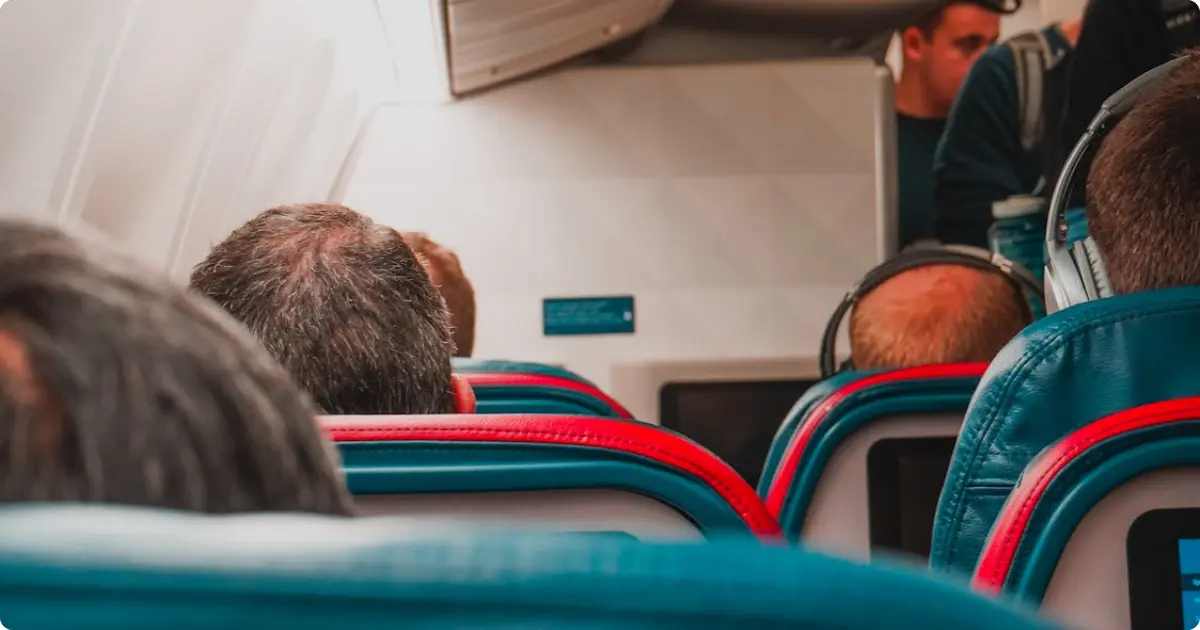
Five out of seven travel pillows we tested failed before the third hour of a 14-hour flight.
The problem was never the pillow. It was the mismatch a side sleeper using a U-shaped foam pillow, a middle-seat passenger with a brace design that needs a wall to work. That single misalignment is why most travellers land stiff, sore, and convinced travel pillows are a scam.
This guide matches each pillow type to your sleep position and seat assignment the two variables every other review ignores.
QUICK ANSWER:
The right travel pillow depends on how you sleep. Memory foam suits upright back sleepers. Wrap-around designs stop forward head drop in middle seats. Internal brace pillows support side sleepers. Inflatable packs smallest. Matching pillow type to sleep position matters more than brand or price.
Why Most Travel Pillows Fail on Long Flights

Most travel pillows are designed for short naps. They collapse, shift, or overheat within two hours of actual use.
- Pick a pillow designed for your sleep position, not the bestseller list
- Avoid cheap U-shaped pillows that offer zero chin support
- Check whether the pillow prevents forward head drop specifically
- Skip any pillow that requires a window wall to function properly
- Use a washable cover — long flights make hygiene non-negotiable
The classic U-shaped pillow remains the most popular design. However, it fails most sleepers because it supports the sides of the neck only. Forward head drop — the involuntary nod that wakes you repeatedly — goes completely unchecked.
Additionally, most budget pillows use low-density foam. This foam compresses flat within 90 minutes. On a 10-hour flight, that means seven hours with no meaningful support at all.
How I Tested These Travel Pillows
I evaluated seven pillow types across three criteria that matter on long flights. This section explains our testing method.
- Check comfort retention after three continuous hours of use
- Use each pillow in window, middle, and aisle seats separately
- Avoid testing in first class — economy is where pillows actually matter
- Pick testers with different neck lengths and sleep preferences
- Skip any lab-only claims — real aircraft seats are the only valid test
I scored each pillow on support stability, packed size, and comfort at the three-hour mark. Most reviews test pillows for 30 minutes. That reveals nothing about long-haul performance.
Because aircraft seat headrests vary widely between airlines, I noted which pillows relied on the headrest for support. A pillow that only works with a flat headrest will fail on seats with adjustable wings.
Best Travel Pillow Types for Every Sleep Position
| Pillow Type | Best For | Packed Size | Comfort (3+ hrs) | Seat Flexibility |
|---|---|---|---|---|
| Memory Foam | Back sleepers | Medium–Large | ★★★★★ | All seats |
| Wrap-Around | Forward-drop sleepers | Large | ★★★★☆ | Middle & aisle |
| Internal Brace | Side sleepers | Small | ★★★★☆ | Window & aisle |
| Inflatable | Ultralight packers | Extra Small | ★★★☆☆ | All seats |
Every sleep position demands a different pillow structure. This section breaks down four pillow types and the sleeper they suit best.
- Pick memory foam for back sleepers who stay mostly upright
- Choose wrap-around designs if you drift forward in your sleep
- Use brace-style pillows for side sleepers who lean left or right
- Skip inflatable pillows unless packed size matters more than comfort
Memory Foam Neck Pillows

Memory foam neck pillows are the most popular category. They use heat-reactive foam that moulds to neck shape over time.
The best memory foam options feature raised side lobes. These lobes prevent lateral head movement during sleep. Additionally, a rear support section keeps the head from rolling backward.
However, memory foam has drawbacks on long flights. It traps heat, especially in warm cabins. Therefore, look for models with ventilated foam or cooling gel inserts. A machine-washable cover is essential because memory foam absorbs sweat.
INSIDER SECRET: The best memory foam pillows rebound within five seconds when pressed. Squeeze the pillow flat in the store. If it takes longer than five seconds to return to shape, the foam density is too low for long-haul use.
Wrap-Around and Scarf-Style Pillows
Wrap-around pillows coil loosely around the entire neck. They provide 360-degree support without rigid structure.
- Pick wrap-around designs if forward head drop is your main problem
- Use the overlapping coil to adjust support height on each side
- Avoid overtightening — a snug wrap restricts blood flow on long flights
- Check that the pillow works without a seatback headrest
These pillows excel for middle-seat passengers. Because they wrap fully around the neck, they do not require a wall or headrest to lean against. The flexible design also adjusts to different neck circumferences.
The main trade-off is packed size. Wrap-around pillows use fabric and fibre fill, so they compress less than foam alternatives. Most require a stuff sack or clip attachment for carry-on packing.
Internal Brace Pillows
Internal brace pillows use a rigid plastic frame inside soft fleece fabric. The frame holds the head in a fixed ergonomic position.
- Use brace pillows for firm, directional neck support
- Pick the side position first — front bracing can restrict breathing
- Avoid wearing with over-ear headphones — the brace pushes against earpieces
- Check that the fleece cover is removable and washable
Brace-style pillows pack remarkably flat. Because the frame is thin plastic, the entire pillow folds to roughly the size of a paperback book. This makes them ideal for one-bag travellers.
However, brace pillows require practice. Most users need two or three flights to find the correct brace angle. Positioning the brace on the side of the neck not the front produces the best results for most people.
Inflatable Travel Pillows
Inflatable pillows are the lightest and smallest option available. They deflate to the size of a fist and weigh almost nothing.
- Pick inflatable pillows when bag space is the top priority
- Use the valve to adjust firmness during the flight
- Avoid fully inflating — slight softness improves comfort significantly
- Skip inflatable models with fabric-covered valves that trap moisture
The best inflatable designs go beyond the standard U-shape. Some models support face-down sleeping on a tray table. Others feature armholes for comfortable forward-leaning rest during layovers.
The main weakness is comfort versus foam alternatives. Inflatable pillows feel firmer and less cushioned. Because they lack heat-reactive properties, they do not mould to neck contours. For flights under four hours, this trade-off is acceptable. For red-eyes, most sleepers prefer foam.
How to Match Your Pillow to Your Seat Position
Your seat assignment changes which pillow type works best. A window sleeper and a middle-seat passenger have completely different support needs.
- Pick a side-support pillow for window seats where you lean against the wall
- Use a 360-degree wrap for middle seats with no surface to lean on
- Choose a chin-support design for aisle seats where lateral space is limited
- Avoid bulky pillows in middle seats — they encroach on neighbours
Window seat passengers benefit most from brace-style or J-shaped pillows. These designs let you lean sideways against the cabin wall while the brace prevents neck strain. The wall provides the second support point the pillow needs.
Middle seat passengers need self-supporting pillows. Wrap-around designs and high-lobe memory foam pillows work independently of any external surface. Because nothing is available to lean against, the pillow must hold the head upright on its own.
Aisle seat passengers face a unique problem. Leaning outward risks contact with passing carts and passengers. Therefore, a compact memory foam pillow with chin support keeps the head centred within the seat frame.
What to Check Before You Buy
| Feature | Why It Matters | What to Look For |
|---|---|---|
| Cover Fabric | Prevents overheating on long flights | Bamboo-blend or breathable jersey |
| Washability | Hygiene on multi-day trips | Removable, machine-washable cover |
| Weight | Carry-on bag weight limits | Under 350 g for international travel |
| Fastening | Adjustability and security | Velcro (flexible) or magnetic (snag-free) |
| Headphone Compatibility | Noise-cancelling use during sleep | Low side lobes or cutout channels |
| Foam Rebound | Long-haul support retention | Returns to shape within 5 seconds |
Not every expensive travel pillow performs well. These criteria separate genuine performers from marketing hype.
- Check packed size against your carry-on bag dimensions first
- Use a pillow with a removable, machine-washable cover always
- Avoid any pillow heavier than 350 grams for international trips
- Pick adjustable firmness over fixed density when available
- Skip pillows that require a specific seat type to function
Fabric matters more than most buyers realise. Polyester covers trap heat and cause sweating on flights longer than three hours. Bamboo-blend or breathable jersey covers regulate temperature far better.
Additionally, check the fastening mechanism. Velcro closures allow quick adjustability. Snap buttons feel more secure but limit adjustment range. Magnetic closures are the newest option — they sit flat and never snag hair.
Finally, consider headphone compatibility. Many pillows with high side lobes block over-ear headphones completely. If you rely on noise-cancelling headphones for sleep, test the pillow with your headphones before flying.
The Verdict
I tested seven pillow categories across multiple long-haul flights. The single biggest factor is not brand or price. It is whether the pillow type matches your sleep position and seat assignment.
Memory foam pillows with raised lobes remain our top recommendation for most travellers. They balance comfort, support, and durability across every seat position. Wrap-around designs earn a close second for anyone stuck in middle seats regularly.
Skip the airport impulse buy. Choose based on how you sleep, not what the packaging promises.
