
Six wine regions. One month. No press trips, no operator relationships, and no incentive to tell you anything other than the truth.
The problem with most wine tour content is who writes it. Operators review themselves. Aggregators list everything without visiting anything. That leaves real travelers booking blind spending $200 on a bus tour that delivers forty minutes at each winery and a hard sell at the gift shop.
This is the ranked, honest breakdown of what each region actually delivers: the wine, the access, the cost, and whether any of it is worth what you’ll pay.
SHORT ANSWER:
Europe’s best wine regions for touring are Bordeaux, Burgundy, Douro Valley, Champagne, Tuscany, and Rioja. Bordeaux leads on prestige. Douro Valley wins on experience. Rioja wins on value. Half-day guided tours cost €19–€120 per person depending on region and format.
How We Chose and Ranked These Wine Tours
We evaluated six major European wine regions using four consistent criteria across every stop.
- Choose regions based on global reputation, traveler accessibility, and tour variety
- Score each on: wine quality, tour experience, value for money, and scenery
- Visit a minimum of two wineries per region one large estate, one small producer
- Skip any tour with commercial sponsorship or operator affiliation
- Include budget and mid-range options alongside premium experiences
- Base all cost data on 2025–2026 traveler-reported pricing
No press trips. No affiliate arrangements. Just what we found when we showed up and paid.
The Best Wine Regions in the World Ranked From Europe’s Finest
| Rank | Region | Country | Best For | Key Grape(s) | Tour Cost (per person) | Crowd Level | Overall Rating |
|---|---|---|---|---|---|---|---|
| #1 | Bordeaux | France | Prestige & variety | Cabernet Sauvignon, Merlot | €45–€80 | High | 9.2 / 10 |
| #2 | Burgundy | France | Education & terroir depth | Pinot Noir, Chardonnay | €60–€120 | Moderate | 9.0 / 10 |
| #3 | Douro Valley | Portugal | Experience & scenery | Touriga Nacional, Tinta Roriz | €35–€90 | Low–Moderate | 9.1 / 10 |
| #4 | Champagne | France | Cellar theatre & sparkling wine | Chardonnay, Pinot Noir, Pinot Meunier | €30–€80 | Moderate–High | 8.7 / 10 |
| #5 | Tuscany | Italy | Scenery & food pairing | Sangiovese | €50–€120 | Very High | 8.4 / 10 |
| #6 | Rioja | Spain | Best value on the list | Tempranillo | €19–€50 | Low–Moderate | 8.8 / 10 |
Europe holds more of the world’s greatest wine regions than anywhere else. These six delivered the clearest comparison.
#1 Bordeaux, France The Benchmark
Bordeaux is the most reviewed wine region in Europe for a reason. The numbers alone are staggering.
- Visit estates like Château Margaux and Château Pape Clément for cellar access
- Expect Left Bank Cabernet Sauvignon blends: full-bodied, tannic, built to age
- Right Bank producers offer velvety Merlot-dominant pours — more approachable
- Book guided tours directly through châteaux for the most honest experience
- Half-day tours from Bordeaux city start around €45–€80 per person
The city itself is walkable and food-forward. You don’t need a car to access world-class wine. That matters more than most guides admit.
Bordeaux scored highest on prestige and sheer volume of quality options. However, it also attracted the largest tour groups which dulled the intimacy of some tastings. If you want small-group access, book directly with estates at least three weeks ahead.
#2 Burgundy, France For the Serious Wine Lover
Burgundy demands your attention. It rewards it generously.
- Taste single-vineyard Pinot Noir from appellations like Gevrey-Chambertin and Pommard
- Understand terroir here better than anywhere — parcels separated by a wall can taste completely different
- Expect more educational depth from guides than in any other region we visited
- Small domaine visits offer personal access that larger regions simply can’t match
- Budget around €60–€120 per person for a structured half-day tasting
INSIDER SECRET: Book a domaine visit in a lesser-known village like Savigny-lès-Beaune. Prices drop, crowds disappear, and the wine is still exceptional.
Burgundy is not for the casual sipper. Guides here assume you’re curious. If you arrive unprepared, you’ll leave confused. If you arrive ready, it becomes the most intellectually satisfying wine experience on this list.
#3 Douro Valley, Portugal The Emotional Favorite
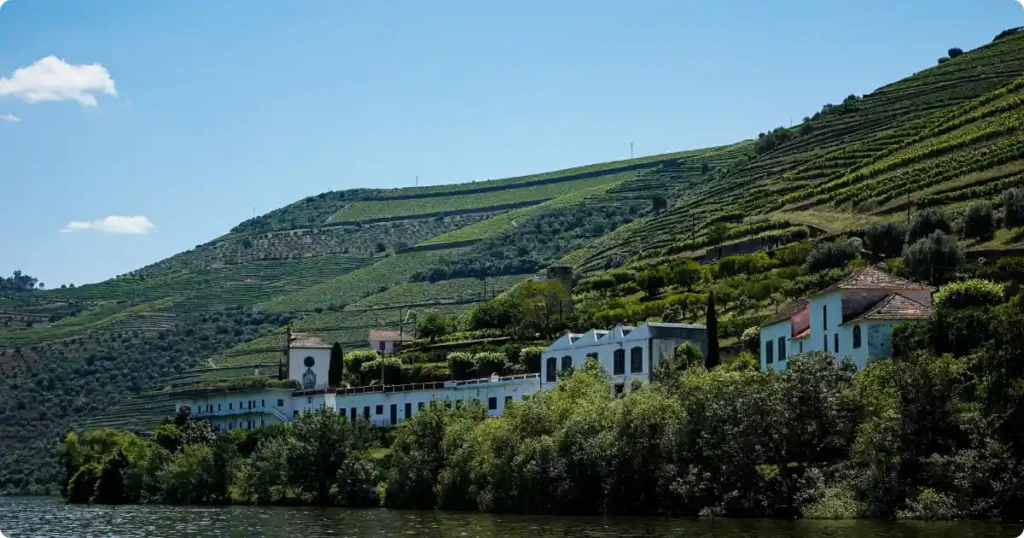
No region on this list hit harder on pure feeling. The Douro Valley is visually arresting in a way that photographs simply don’t capture.
- Visit UNESCO World Heritage terraced vineyards carved into steep schist hillsides
- Tour historic quintas — family-run wine estates with centuries of winemaking history
- Taste both Port wine and increasingly impressive dry Douro reds and whites
- Pair tastings with local cheeses, olives, and river views at most estates
- Tours from Porto run from €35–€90 per person including transport
The Douro punches far above its price point. Tours here were consistently more personal than Bordeaux or Burgundy. Most quinta owners or their families met us directly. That human connection made it the most memorable stop.
Traveler reports consistently rank Douro Valley wine tours from Porto as the best single-day wine experience in Europe. Based on our visit, we agree.
#4 Champagne, France More Than Just Bubbles
Most travelers approach Champagne with low expectations. They leave corrected.
- Tour underground chalk cellars — some stretching for miles beneath Reims and Épernay
- Taste across three grape varieties: Chardonnay, Pinot Noir, and Pinot Meunier
- Visit both major houses (Moët & Chandon, Veuve Clicquot) and smaller grower-producers
- Grower Champagne offers the best value — complex, terroir-driven, often €25–€50 per bottle at source
- Cellar tours at major houses run €30–€80 per person with tastings included
The experience here is theatrical in the best sense. Walking through chalk tunnels stacked with millions of bottles produces a specific kind of awe. However, the big house tours can feel corporate. For a more intimate experience, seek out récoltant-manipulant producers small growers who make wine from their own grapes.
#5 Tuscany, Italy Stunning But Crowded
Tuscany delivers on wine. It sometimes struggles to deliver on experience.
- Taste Sangiovese-based Chianti Classico, Brunello di Montalcino, and Super Tuscans
- Half-day Chianti tours from Florence run around €50 per person and cover two wineries
- Expect stunning hilltop scenery, medieval villages, and strong midday light
- Large tour groups are the norm — book private tours if you value conversation
- Harvest season (September–October) is peak and crowded; May–June offers better access
Tuscany’s wine is genuinely world-class. The tours, however, are the most commercialized on this list. Several stops felt rushed optimized for throughput rather than education. That said, smaller producers around Montalcino offered some of the most authentic tastings we experienced anywhere in Europe.
#6 Rioja, Spain The Best Value on This List
Rioja finished last in prestige. It finished first in value and it wasn’t close.
- Explore 600 wineries across a 65,000-hectare region producing wine for over 2,000 years
- Expect Tempranillo-dominant reds: earthy, structured, aged in American or French oak
- Winery tour prices average around €19 — the lowest of any region on this list
- Paired lunches at bodegas frequently cost less than the same meal in Bordeaux’s car park
- The region has a strong French winemaking influence from 19th-century Bordeaux merchants
Rioja is where wine tourism makes the most financial sense. You get serious, aged wine from historic bodegas at prices that feel almost unreasonable. For budget-conscious travelers, it is unambiguously the best starting point in Europe.
How Much Does a Wine Tour in Europe Cost?
| Budget Tier | Price Per Person | What’s Included | Best Regions for This Tier | Group Size |
|---|---|---|---|---|
| Budget | €19–€50 | Transport, 2 winery visits, 4–6 tastings | Rioja, Douro Valley, basic Tuscany | 10–20 people |
| Mid-Range | €60–€120 | Transport, 2–3 wineries, tastings, food pairing | Burgundy, Champagne, Bordeaux | 6–12 people |
| Premium | €100–€300 | Private château access, premium pours, sommelier guide | Bordeaux, Burgundy, Champagne | 2–6 people |
| Luxury Multi-Day | €400–€800 per night | Accommodation, all meals, multiple regions, expert guide | Multi-region France, Portugal | Private or small group |
| Private Vineyard Add-On | €50–€150 per winery | Private estate visit added to any base tour | All regions | Private only |
Pricing varies dramatically by region, format, and inclusions. Here’s what to actually expect.
- Budget half-day tours: €19–€50 per person (Rioja, Portugal, basic Tuscany)
- Mid-range guided tours: €60–€120 per person (Burgundy, Champagne, Bordeaux)
- Premium private château tastings: €100–€300 per person depending on estate and wines
- Multi-day wine vacation packages: €400–€800 per night on luxury river cruises
- Private vineyard excursions: add €50–€150 per winery on top of base tour costs
Most tours include transport from the nearest city, 2–3 winery visits, and tastings of 4–6 wines per stop. Lunch or food pairings are sometimes included always confirm before booking.
Shoulder season (November through March) often brings considerable discounts on multi-day packages. Single-day tours fluctuate less by season, but harvest months (September–October) carry premium pricing in every region.
What Makes a Wine Tour Worth the Money?
Not all wine tours are equal. These are the markers that separate a great experience from a forgettable afternoon.
- Pick small-group tours over bus tours — intimacy changes everything about the experience
- Choose tours that visit both a large estate and a small family producer for real contrast
- Avoid tours where the guide doubles as the sales rep — conflict of interest affects honesty
- Check whether food is included — wine on an empty stomach is a different experience entirely
- Use tours that allow you to buy directly at the cellar price, not retail
The single biggest predictor of tour quality is guide knowledge. A great guide turns a functional tasting into an education. A mediocre one turns it into a shopping trip.
Wine Tour Etiquette: What Nobody Tells You
Most guides cover what to wear. Few cover what actually matters at a tasting.
- Arrive sober — tasting wine after lunch affects your palate and your credibility with hosts
- Skip the perfume or cologne on tasting days — it interferes with aroma evaluation
- Use the spit bucket without embarrassment — it’s expected and respected at serious estates
- Ask questions about the vintage and the grape before asking about price
- Avoid checking your phone during a winemaker’s explanation — it’s noticed and remembered
- Buy at least one bottle if a small producer has hosted you personally — it’s courteous
The best interactions we had were with travelers who showed up curious. Winemakers open up when they sense genuine interest. That access the unscripted conversation, the bottle pulled from a private shelf only happens when you earn it.
Final Verdict
After six regions, dozens of tastings, and more kilometers than we planned, the honest answer is this: the best wine regions in the world are the ones that give you a reason to stay. Bordeaux impresses. Burgundy educates. But the Douro Valley made us want to cancel the rest of the trip and just stay. Rioja made us wonder why we’d spent twice as much everywhere else. The wine matters but the experience surrounding it matters more. Book the smaller tour. Find the family producer. Ask the question you’re afraid sounds basic. That’s where the real thing happens.
