

We’ve snorkeled with rental gear that fogged on contact, leaked within minutes, and smelled like the last fifty tourists who wore it. That experience alone changed how we pack.
The frustration is universal. You book a dream snorkeling trip, show up at the rental counter, and get handed a mask that doesn’t seal and fins two sizes too big. Suddenly you’re fighting equipment instead of enjoying the reef. Most travelers either overspend on gear they’ll never use or underspend on junk that ruins the experience.
This guide breaks down every piece of snorkeling gear worth packing — and what to leave behind. We organized everything by packability, weight, and real-world performance so you know exactly what earns luggage space.
QUICK ANSWER: The best snorkeling gear for travel includes a well-fitting mask, dry or semi-dry snorkel, and compact travel fins. We recommend the Cressi Palau SAF set as the best overall travel kit. Buy your mask and snorkel — always. Rent fins at the destination if luggage space is tight. Skip full face masks entirely.
Why We Stopped Renting Snorkeling Gear
We used to rent everything. Then a cloudy mask in Cozumel cost us a sea turtle sighting ten feet away.
Rental snorkeling gear has three consistent problems:
- Masks rarely seal properly on your specific face shape
- Shared snorkel mouthpieces are a hygiene risk most people ignore
- Fins at rental counters come in “small, medium, or wrong”
- Silicone skirts on rental masks degrade after hundreds of uses
- Anti-fog coatings wear off long before rental gear gets replaced
Owning your own snorkeling equipment costs roughly the same as three or four rental sessions. After that, every snorkel trip is free. Additionally, gear that fits your face eliminates the single biggest frustration beginners experience — water leaking into the mask every thirty seconds.
The Essential Snorkeling Equipment List
Every snorkeling kit needs three core pieces: a mask, a snorkel, and fins. However, not every piece deserves equal luggage priority. Here’s how we rank them for travel.
Snorkel Mask — The One Piece You Never Rent
Your mask matters more than every other piece combined. A leaking mask ruins the entire experience. A well-sealed mask makes everything else optional.
- Pick tempered glass lenses — they resist scratching and fogging
- Choose a soft silicone skirt for a watertight seal on most face shapes
- Check the nose pocket allows easy pinching for ear equalization
- Avoid single-lens masks if you want a wider field of view
- Skip colored or mirrored lenses — clear gives the best underwater visibility
The fit test is simple. Press the mask to your face without the strap. Inhale gently through your nose. A proper mask stays put without any strap tension. If it falls, the silicone skirt doesn’t match your face shape. Therefore, buying online without trying first is risky. However, brands like Cressi and TUSA have wide-fitting skirts that work for most adults.
A dual-lens mask with a soft silicone skirt weighs under 200 grams. It packs flat in any carry-on. Because of this, your mask should always travel with you — never rented, never checked in luggage where it can get crushed.
Snorkel — Dry vs Semi-Dry for Travel
Choosing between a dry snorkel and a semi-dry snorkel confuses most beginners. The difference is straightforward.
- A semi-dry snorkel has a splash guard that deflects surface water
- A dry snorkel adds a valve that seals the tube when submerged
- Semi-dry models are lighter, simpler, and easier to breathe through
- Dry snorkels prevent water entry but can feel slightly restrictive
- Both types include a purge valve at the bottom for clearing water
For surface snorkeling in calm water, a semi-dry snorkel works perfectly. For choppier conditions or if you plan to duck-dive occasionally, a dry snorkel keeps your airway clear. Most travelers are better served by a dry snorkel because conditions vary trip to trip.
One detail worth noting: if you freedive regularly, dry snorkels have a drawback. The flexible tube can collapse at depth from water pressure. As a result, experienced freedivers often prefer a simple J-tube or semi-dry model instead.
Fins — Compact Travel Fins vs Full-Size
Fins are the bulkiest snorkeling gear to pack. They’re also the first piece most travelers leave behind — and then regret it.
- Short travel fins fit inside most checked bags and some carry-ons
- Open-heel fins with adjustable straps fit a wider range of foot sizes
- Full-foot fins give better power but require exact sizing
- Travel fins sacrifice some thrust for packability — a fair trade
- Skip freediving fins unless you specifically freedive
Short-blade travel fins like the Cressi Palau provide enough propulsion for reef snorkeling without eating your entire suitcase. Open-heel designs pair well with neoprene dive socks or booties. Because they adjust, you can share them with a travel partner in a pinch.
If luggage is extremely limited, fins are the one piece worth renting. Masks and snorkels are personal-fit items. Fins are more forgiving with sizing. Meanwhile, rental fins are usually the most acceptable quality item at any dive shop.
Best Snorkel Sets for Travel: Complete Kits Worth Buying
| Feature | Cressi Palau SAF | U.S. Divers Cozumel | Seavenger Adult Set |
|---|---|---|---|
| Best For | Overall travel | Budget buyers | Beginners |
| Mask Type | Dual-lens tempered glass | Dual-lens tempered glass | Single-lens panoramic |
| Snorkel Type | Dry with purge valve | Semi-dry with splash guard | Dry-top |
| Fin Style | Open-heel adjustable | Closed-heel fixed | Open-heel adjustable |
| Fin Length | Short travel blade | Short blade | Short trek blade |
| Gear Bag Included | Yes — mesh | Yes — mesh | Yes — mesh |
| Bootie Compatible | Yes | No | Yes |
| Approx. Weight | ~900 g | ~850 g | ~950 g |
| Price Range (USD) | $65 – $85 | $40 – $55 | $55 – $70 |
Buying a snorkel set saves money versus purchasing each piece individually. Additionally, matched sets ensure the snorkel clip fits the mask strap without awkward jury-rigging.
Best Overall Travel Snorkel Set
The Cressi Palau SAF set consistently earns top marks across real-world testing. It includes a tempered glass mask, dry snorkel with purge valve, and short open-heel fins with adjustable straps.
- Fins fold flat and pack into the included mesh gear bag
- Mask skirt uses soft silicone — comfortable over long sessions
- Dry snorkel top valve prevents water entry during surface chop
- Open-heel design accommodates bare feet or neoprene booties
- Total set weight stays under 1 kg — genuinely carry-on friendly
This set works for beginners through experienced snorkelers. The Palau fins won’t deliver the thrust of full-length dive fins. However, for reef snorkeling and casual underwater exploring, they’re the best balance of performance and packability available.
Best Budget Snorkel Set
The U.S. Divers Cozumel set delivers solid fundamentals at a lower price point. It includes a two-lens mask, semi-dry snorkel, closed-heel fins, and a mesh bag.
- Closed-heel fins mean fewer moving parts — simpler for beginners
- Semi-dry splash guard handles calm water well
- Silicon skirting creates a reliable seal for most face shapes
- Price point makes it a no-brainer for first-time snorkelers
The trade-off is the closed-heel fin design. Because the fins don’t adjust, you need to order your exact size. Additionally, the semi-dry snorkel lets more water in during choppy conditions compared to a full dry valve.
Best Snorkel Set for Beginners
Beginners benefit most from a set that removes complexity. The Seavenger adult set includes a single-lens panoramic mask, dry-top snorkel, short trek fins, and a mesh bag.
- Single-lens design reduces the claustrophobic feeling new snorkelers report
- Dry-top snorkel means fewer surprises with water entry
- Trek fins are short enough to avoid leg fatigue on first outings
- Adjustable open-heel straps fit a range of foot sizes
First, the panoramic lens gives beginners a wider view, which builds confidence underwater. Next, the dry snorkel eliminates the biggest anxiety trigger — swallowing saltwater. Finally, short fins reduce the kicking effort that exhausts most beginners within twenty minutes.
Snorkeling Accessories That Actually Earn Luggage Space
| Accessory | Pack Weight | Priority | Why It Earns Space |
|---|---|---|---|
| Dry Bag (10L) | ~100 g | High | Protects phone, keys, cash at the beach |
| Rash Guard (UPF 50+) | ~150 g | High | Replaces sunscreen on most of your body |
| Reef Safe Sunscreen | ~120 g | High | Required by law at many snorkeling destinations |
| Neoprene Mask Strap Cover | ~20 g | Medium | Prevents painful hair tangles on removal |
| Dive Socks | ~60 g | Medium | Prevents blisters and fin chafing |
| Dive Booties | ~200 g | Situational | Best for rocky shore entries only |
| Anti-Fog Spray | ~30 g | Low | Baby shampoo works better — skip this |
| Snorkeling Gloves | ~80 g | Skip | Unnecessary for reef snorkeling |
Beyond the core three — mask, snorkel, fins — a handful of accessories genuinely improve the experience. Most “essential gear lists” online pad with items you’ll never use. These five actually matter.
Dry Bag
A dry bag protects your phone, wallet, and room key while you’re in the water. A 10-liter roll-top bag handles the essentials without bulk.
- Pick a roll-top closure — ziplock-style seals fail over time
- 10L fits phone, keys, cash, and a lightweight towel
- Doubles as a wet gear bag for the trip home
Rash Guard
A rash guard replaces sunscreen on 80% of your body. It also prevents jellyfish stings and reef scrapes.
- UPF 50+ blocks nearly all UV radiation
- Eliminates the need for repeated sunscreen reapplication
- Prevents chafing from mask straps and buoyancy vests
- Weighs almost nothing and dries in under an hour
Reef Safe Sunscreen
For exposed skin — face, ears, back of hands — reef safe sunscreen is non-negotiable. Many snorkeling destinations now ban chemical sunscreens containing oxybenzone and octinoxate.
- Choose mineral-based formulas with zinc oxide or titanium dioxide
- Apply 15 minutes before entering the water
- Reapply after every water session — even “waterproof” formulas wash off
Neoprene Mask Strap Cover
This is the most underrated snorkeling accessory. A neoprene cover wraps over your mask’s silicone strap and prevents hair tangles.
- Eliminates painful hair-pulling when removing your mask
- Adds comfort on longer snorkeling sessions
- Costs under $10 and weighs almost nothing
Anyone with hair past their ears should own one. It’s a small upgrade that removes a surprisingly persistent annoyance.
Dive Socks or Booties
Neoprene dive socks or booties protect your feet from blisters, rocky entries, and cold water. They pair with open-heel fins.
- Dive socks are thinner — ideal for warm tropical water
- Booties have rubber soles — better for rocky shore entries
- Both prevent chafing between your foot and the fin pocket
- Choose socks for packability or booties for protection
Snorkeling Gear Beginners Should Skip
Not everything marketed as “essential” actually is. Some gear wastes money. Some is genuinely dangerous.
- Skip full face snorkel masks — they carry real safety risks
- Skip underwater phone cases under $30 — most leak eventually
- Skip anti-fog sprays — baby shampoo works better and costs less
- Skip snorkeling gloves — they reduce feel and aren’t needed on reefs
- Skip inflatable snorkel vests unless you’re a non-swimmer
Full face masks deserve special attention. Despite their popularity, multiple safety organizations have raised concerns. These masks can trap carbon dioxide during extended use. They’re also difficult to remove quickly in an emergency. Additionally, many tour operators and marine parks have banned them. A traditional mask and separate snorkel is safer, more reliable, and easier to clear.
INSIDER SECRET: Rub a single drop of baby shampoo on the inside of your mask lens before each session. Rinse lightly. This prevents fogging better than any commercial anti-fog product — and costs practically nothing.
How to Pack Snorkeling Gear for Air Travel
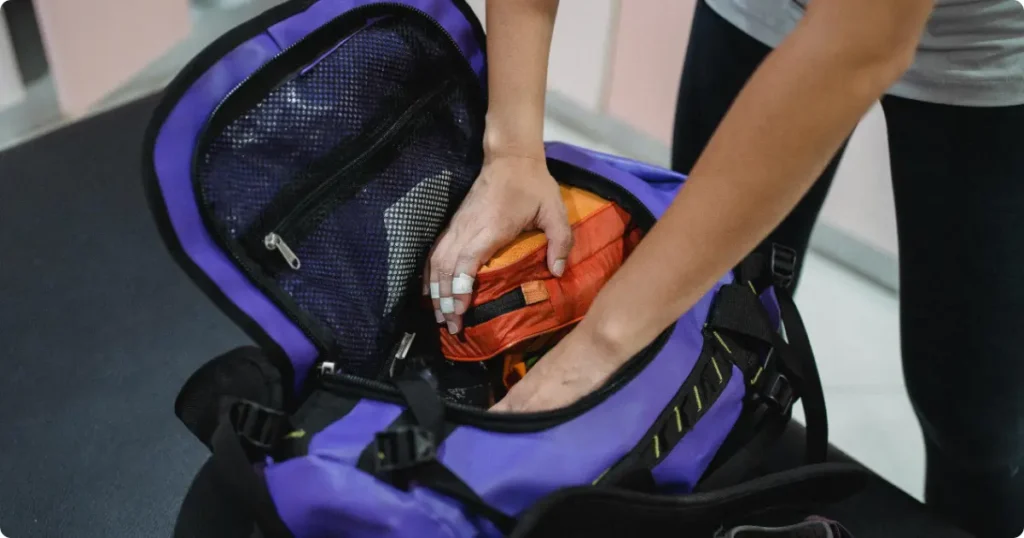
Packing snorkeling gear efficiently means knowing what goes where. The wrong approach adds bulk. The right approach barely impacts your luggage.
- Always carry your mask in your carry-on — checked bags crush lenses
- Wrap the mask in a rash guard or soft clothing for protection
- Pack fins along the edges of checked luggage — they fill dead space
- Roll the snorkel inside dive socks to prevent the mouthpiece bending
- Use the mesh gear bag as a dirty-laundry separator on the return
A complete travel snorkel set — mask, dry snorkel, short fins, socks, strap cover — weighs under 1.5 kg total. That’s less than a pair of hiking boots. Therefore, the “too heavy to pack” excuse doesn’t hold up.
For carry-on-only travelers, the mask and snorkel fit easily. Fins are the only piece that may need to stay in a checked bag — or get rented at the destination.
The Verdict
After testing snorkeling gear across dozens of destinations, our recommendation is clear. Buy your own mask and snorkel — always. These are personal-fit items where rental quality ranges from mediocre to terrible. A leaking rental mask will cost you more in missed experiences than any gear purchase ever will.
The Cressi Palau SAF set remains the best snorkel set for travel. It packs small, fits most adults, and performs reliably from Caribbean reefs to Southeast Asian islands. Budget-conscious beginners can start with the U.S. Divers Cozumel and upgrade later.
Pack light. Pack smart. Skip the gimmicks. The best snorkeling gear is the gear that fits your face, fits your bag, and lets you forget about equipment entirely — so you can focus on what’s actually underwater.
