

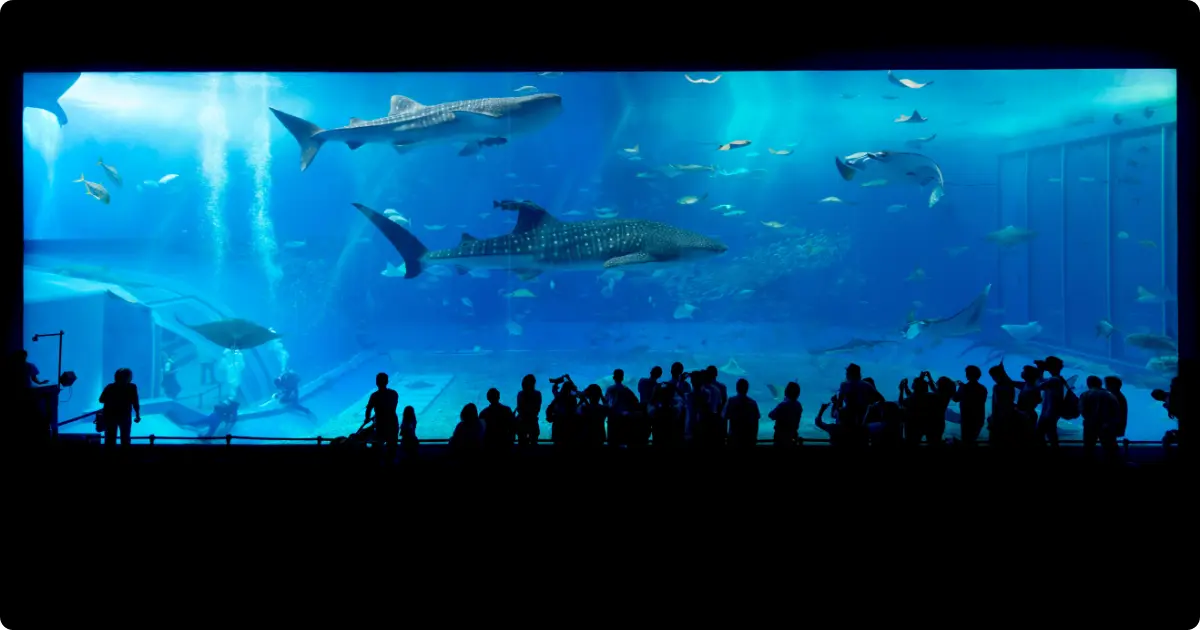
I spent three seasons researching shark cage diving operators across the Western Cape. The experience I expected and the experience I got were two completely different things.
Most travellers book this trip expecting a face-to-face encounter with a great white shark. However, the reality in 2026 looks nothing like the Shark Week footage that sold them on the idea. Operators still market great whites heavily. Meanwhile, orca predation has fundamentally reshaped what you’ll actually see in the water.
This guide breaks down exactly what shark cage diving near Cape Town delivers right now the real costs, the actual species you’ll encounter, and whether the experience justifies the early alarm and the price tag.
QUICK ANSWER: Shark cage diving near Cape Town is still worth it in 2026 — but not for the reasons most people expect. Great white sightings have declined sharply due to orca activity. Bronze whaler and sevengill sharks now dominate encounters in Gansbaai and False Bay. Budget R1,800–R3,655 per person depending on operator and nationality. The experience remains thrilling, well-regulated, and safe when booked with a licensed operator.
What Shark Cage Diving in Cape Town Actually Looks Like in 2026
The marketing hasn’t caught up with the ocean. Most operators still lead with great white imagery. The water tells a different story.
- Expect bronze whaler sharks (copper sharks) on most dives year-round
- Sevengill cow sharks appear regularly in False Bay near Simon’s Town
- Great white sightings are rare and unpredictable across all three locations
- Stingrays, Cape fur seals, and penguins frequently appear during trips
- Visibility averages 3–6 metres, occasionally reaching 10+ in winter
- Surface viewing from the boat often beats the underwater cage view
This doesn’t make the experience less impressive. Bronze whalers reach 3.5 metres long. They’re fast, curious, and swim close to the cage. Most divers report genuine adrenaline regardless of species.
The key shift is expectation management. Operators who are upfront about current species deliver better reviews. Those still promising great whites generate the most disappointed customers.
Gansbaai vs Simon’s Town vs Mossel Bay: Which Location to Pick
| Feature | Gansbaai | Simon’s Town | Mossel Bay |
|---|---|---|---|
| Drive from Cape Town | ~2.5 hours | ~45 minutes | ~4 hours |
| Primary Shark Species | Bronze whaler, sevengill | Bronze whaler, sevengill | Bronze whaler, great white (rare) |
| Great White Likelihood | Very low | Very low | Low |
| Typical Group Size | 12–22 guests | 8–12 guests | 10–18 guests |
| Trip Duration (on water) | 2–3 hours | 2–2.5 hours | 2–3 hours |
| Full Day Commitment | 8–10 hours | 3–4 hours | 4–5 hours |
| Transfers Available | Yes — most operators | Self-drive easy | Self-drive recommended |
| Onboard Marine Biologist | Most operators | Some operators | Some operators |
| Bonus Wildlife | Seals, penguins, whales (seasonal) | 65,000+ Cape fur seals | Seals, dolphins |
| Best For | Full-day adventure seekers | Short on time, small groups | Garden Route travellers |
Three locations serve the Cape Town market. Each offers a different experience, price point, and travel commitment.
Gansbaai — The Original Shark Capital
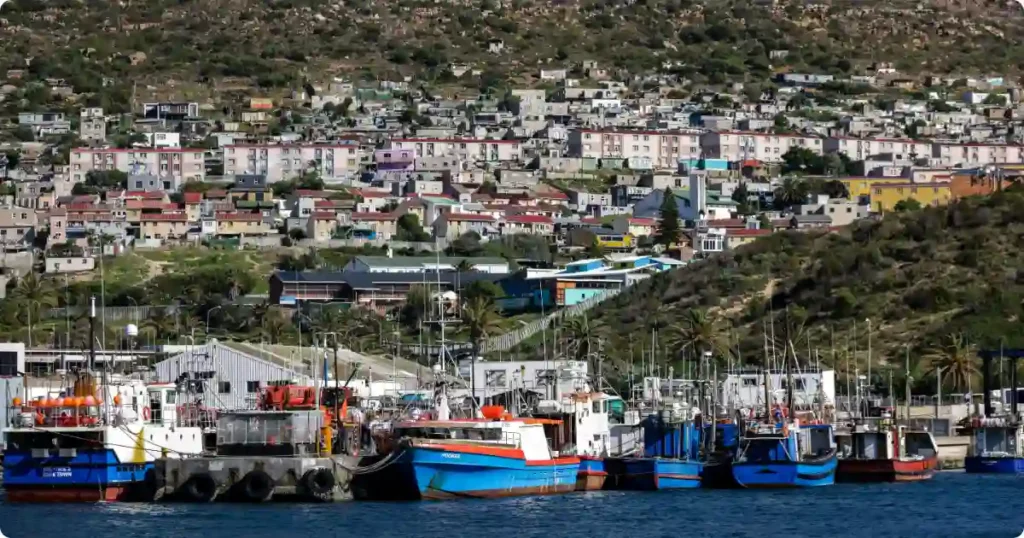
Gansbaai sits roughly 2.5 hours from central Cape Town. It built its reputation as the great white shark capital of the world. The infrastructure here remains the most developed.
- Pick Gansbaai for the widest choice of licensed operators
- Avoid if a 5-hour round trip from Cape Town feels excessive
- Use the transfer service — most operators offer hotel pickup from R500–R800
- Check operator transparency about current shark species before booking
Gansbaai now delivers consistent bronze whaler encounters. Trips launch from Kleinbaai harbour. The boat ride to the dive site takes roughly 20 minutes. Most operators carry 12–22 guests per trip. Breakfast and a safety briefing are standard before departure.
Simon’s Town — Closest to Cape Town
Simon’s Town launches from False Bay, only 45 minutes from the city centre. Operators here run smaller boats typically 12 guests maximum.
- Pick Simon’s Town for convenience and smaller group sizes
- Avoid if you specifically want the Gansbaai “Shark Alley” experience
- Use the scuba hookah system some operators offer for longer cage time
- Check that the operator confirms minimum guest numbers before your date
False Bay operators dive near Seal Island, home to over 65,000 Cape fur seals. Bronze whalers and sevengills are the primary species. Some operators offer scuba-assisted cage dives — no certification needed — which keep you underwater longer than breath-hold snorkelling.
Mossel Bay — The Garden Route Alternative
Mossel Bay works best for travellers already driving the Garden Route. It’s roughly 4 hours east of Cape Town.
- Pick Mossel Bay if it fits your road trip itinerary naturally
- Skip the detour if Cape Town is your only base
- Check seasonal availability — some operators run fewer trips in winter
Mossel Bay offers a different marine environment. The water is often slightly warmer. However, fewer operators mean fewer departure options per week.
How Much Does Shark Cage Diving Cost in South Africa
| Cost Factor | Gansbaai | Simon’s Town | Mossel Bay |
|---|---|---|---|
| SA Resident Adult | R1,500–R1,800 | R1,500–R2,000 | R1,700–R2,000 |
| International Adult | R2,600–R3,655 | R2,000–R3,500 | R2,500–R3,200 |
| Child (5–15 yrs) | R1,200–R2,070 | R1,200–R1,500 | R1,200–R1,500 |
| Cape Town Transfer (return) | R500–R800 pp | Not needed | Not offered by most |
| Conservation Fee | R0–R150 | Included | Varies |
| Video Package | R200–R500 | R200–R500 | R200–R400 |
| Total (International, all-in) | R3,000–R4,500 | R2,200–R4,000 | R2,700–R3,600 |
Pricing across the Western Cape follows a two-tier system. South African residents pay less than international travellers.
- Budget R1,500–R1,800 for locals at Gansbaai operators
- Budget R2,600–R3,655 for international visitors depending on operator
- Add R500–R800 per person for return Cape Town transfers
- Add R150 for the conservation fee some operators charge separately
- Check whether wetsuit, breakfast, and lunch are included before comparing
A typical all-inclusive Gansbaai trip with transfers from Cape Town runs R3,000–R4,500 for an international visitor. Simon’s Town trips cost slightly less because no long-distance transfer is needed.
Group discounts exist with most operators. Booking direct usually beats third-party platforms on price. However, platforms like GetYourGuide offer free cancellation, which adds flexibility for weather-dependent trips.
The Great White Question: Why Sightings Have Changed
Great white sharks haven’t disappeared from South African waters. They’ve relocated. The reason is well-documented.
- Orca predation drove great whites away from traditional hotspots
- Two specific orcas — known to researchers — target great whites for their livers
- Bronze whalers and sevengills filled the ecological gap left behind
- Some operators report occasional great white returns, but sightings remain rare
- Researchers continue tracking population movement along the coast
This shift began around 2017 and accelerated through 2020. Gansbaai operators who once guaranteed daily great white encounters can no longer make that promise. Responsible operators now communicate this clearly before booking.
The science matters here. Great whites are not endangered by cage diving. They’ve shifted their range in response to natural predation pressure. Understanding this makes the trip more interesting — not less.
Is Shark Cage Diving Safe? What the Record Shows
Safety concerns are normal. The track record in South Africa is strong but not flawless.
- Over 80,000 people dive in Gansbaai annually with minimal shark-related incidents
- Operators follow strict Department of Environmental Affairs regulations
- Cages are reinforced steel, secured to the vessel, and partially submerged
- No diving certification is needed — you snorkel and hold your breath
- Wetsuits, masks, and all gear are provided by the operator
One serious incident occurred in 2008 when a boat capsized after being hit by a large wave near Gansbaai. Three tourists drowned. The court later ruled the skipper was negligent for anchoring over a shallow reef in worsening conditions. That incident involved ocean conditions — not sharks.
Cage breaches by sharks are extremely rare globally. The few viral videos showing sharks entering cages were filmed off Guadalupe Island in Mexico — not South Africa. No fatal shark-cage interaction has been recorded in Gansbaai’s history.
The real safety concern is seasickness. Rough ocean conditions are common. Additionally, the early departure and cold water temperature catch some visitors off guard. Take motion-sickness medication 30 minutes before boarding regardless of your usual tolerance.
What to Expect on the Day: Hour by Hour
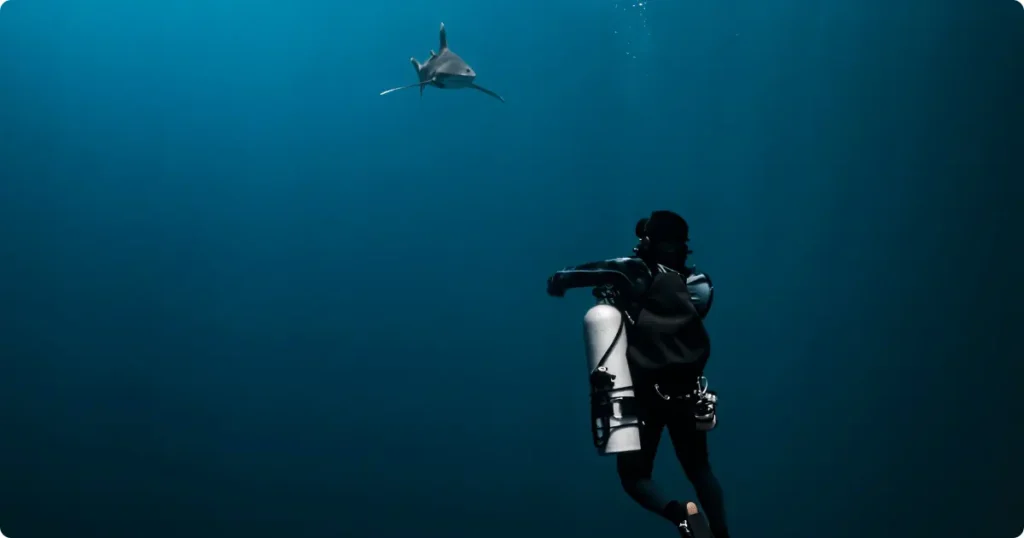
The full experience takes 8–10 hours from Cape Town pickup to drop-off. Here’s how the day typically unfolds.
- 3:30–5:00 AM — Hotel pickup from Cape Town for Gansbaai trips
- 6:00–7:00 AM — Arrive at operator headquarters for breakfast and briefing
- 7:30 AM — Safety demonstration, wetsuit fitting, and walk to harbour
- 8:00 AM — Board the boat and motor to the dive site (15–30 minutes)
- 8:30–10:30 AM — Cage diving in rotating groups of 6–8 people
- 11:00 AM — Return to harbour for light lunch and optional video purchase
- 12:00–2:00 PM — Transfer back to Cape Town
Simon’s Town trips run shorter — typically a half-day experience. You’ll meet the crew around 7:30 AM and return to harbour by 10:30 AM.
Cage time varies by operator and group size. Larger boats with 22 guests rotate more groups through the cage. Smaller operators with 12 guests give each person more time underwater. Therefore, group size directly affects your dive quality.
Bring an underwater camera or GoPro. Most operators also sell professional footage of your trip — usually R200–R500 for a full video package.
How to Pick the Right Operator
Not all operators deliver the same experience. The differences are measurable.
- Check maximum guest count — 12 is intimate, 22 is crowded
- Confirm whether a marine biologist is onboard for the trip
- Read recent reviews (last 6 months) specifically for species sighted
- Ask directly whether great whites have been seen recently
- Verify Blue Flag or Fair Trade accreditation for conservation standards
- Avoid any operator that feeds sharks or uses shark-based attractants
Operators with onboard marine biologists turn the trip into education. Those without one deliver a thrill ride with less context. Both are valid — but the educational experience consistently earns higher reviews.
Additionally, check cancellation policies carefully. Weather cancellations are common. The best operators reschedule for free. Others offer refunds minus the transfer cost. Clarify this before paying.
Best Time of Year for Shark Cage Diving in Cape Town
Shark cage diving runs year-round in South Africa. However, conditions and species vary by season.
- April to September (winter) — best visibility, historically strongest shark activity
- October to March (summer) — warmer water, bronze whalers most active
- June to November — whale season adds humpback and southern right sightings
- Morning departures — calmer seas and better underwater visibility
- Avoid booking during spring storm season without flexible cancellation
Winter mornings deliver the most consistently good conditions. The water is colder, but visibility can exceed 10 metres on good days. Summer brings warmer temperatures but murkier water — often under 2 metres visibility.
Because great white activity is now unpredictable, seasonal timing matters less for species targeting. Book based on weather comfort and your travel schedule instead.
The Verdict
I rate shark cage diving near Cape Town as genuinely worth doing with adjusted expectations. The great white era in Gansbaai may be paused. However, coming face-to-face with a 3-metre bronze whaler through steel bars delivers real adrenaline. The cold water, the murky visibility, and the sudden flash of a shark materialising from the blue it hits different than any aquarium.
Book a small-group operator with a marine biologist onboard. Choose Simon’s Town for convenience or Gansbaai for the full-day adventure. Budget R3,000–R4,500 all-in for an international visitor. Take the seasickness medication. Bring your own camera.
Finally, go in knowing exactly what the ocean offers right now not what the brochure showed five years ago. That honesty makes the experience better, not worse.
