
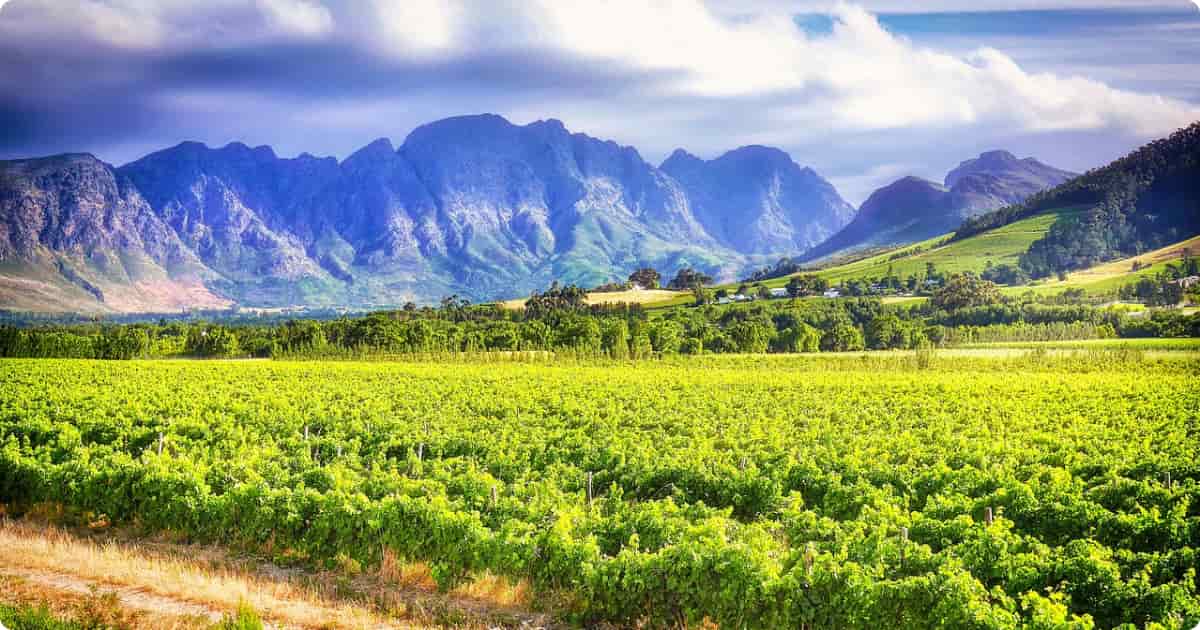
Booking a Stellenbosch wine tour looks simple until you realise you’re choosing between five completely different experiences and the wrong one ruins the day.
A solo traveler on a group bus and a couple in a private vehicle are both doing a “Stellenbosch wine tour.” The price difference is R700 versus R5,000. The experience difference is even larger. No article tells you which format actually fits your situation they just list operators and hope you figure it out.
This guide fixes that. It maps every tour format to the traveler it suits, covers the five wineries worth your time, and gives you a full cost breakdown before you book a single thing.
QUICK ANSWER:
The Cape Winelands sit 45 minutes from Cape Town. Group tours run R900–R1,900 per person all-inclusive. Private vehicle hire costs R4,750–R8,450 per day. Individual tasting fees run R80–R250 per winery. The Franschhoek Wine Tram is the best standalone day experience for first-timers.
What Makes the Cape Winelands Worth Your Time
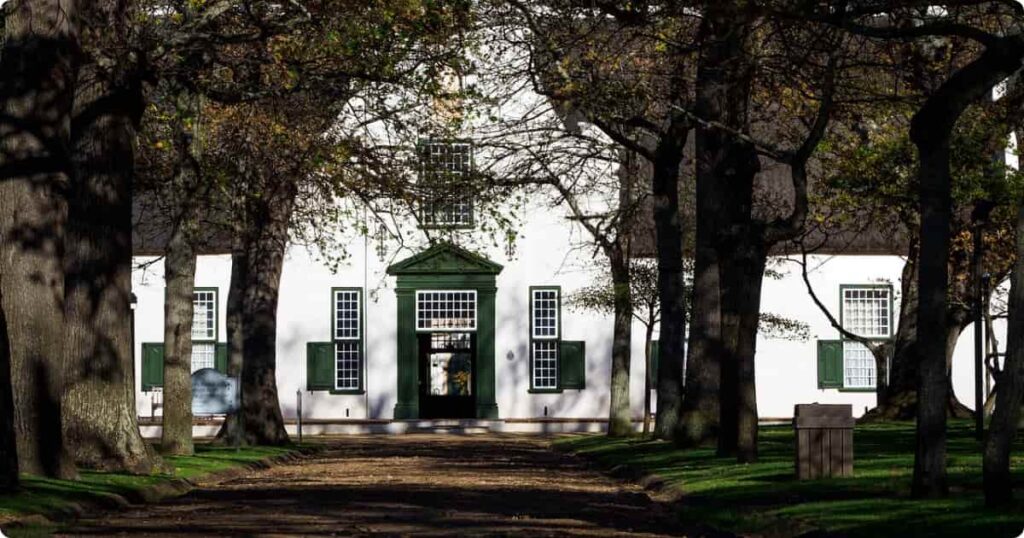
The Cape Winelands are not a consolation prize for travelers who couldn’t afford Napa. They are a world-class wine destination in their own right and they’re dramatically cheaper than anywhere comparable.
- Visit between January and April for harvest season the most active period
- Book weekend winery tastings in advance, especially at top estates
- Expect drive times of 45–60 minutes from Cape Town city centre
- Pinotage is South Africa’s signature grape a cross between Pinot Noir and Cinsault
- The Winelands produce Cabernet Sauvignon, Chenin Blanc, Sauvignon Blanc, and Shiraz at high quality
South Africa has over 30 wine regions. Stellenbosch, Franschhoek, and Paarl are the three you need to know for a short trip from Cape Town.
Stellenbosch: South Africa’s Wine Capital
Stellenbosch is the spiritual home of South African wine. The second-oldest town in the country, founded in 1679, it sits 45 minutes east of Cape Town and holds more than 150 wineries.
- Choose Stellenbosch for bold reds Cabernet Sauvignon and Pinotage dominate
- Expect oak-lined streets, Cape Dutch architecture, and a vibrant university town atmosphere
- Walk the historic town centre between tasting sessions it’s compact and beautiful
- Ocean breezes from False Bay cool the valley, preserving freshness in the wines
- Stellenbosch is the easiest region to navigate independently by Uber
Stellenbosch gives you density many top estates within a small geographic radius. That makes it the most efficient choice for a half-day wine tour.
Franschhoek: The Gourmet Valley
Franschhoek translates to “French Corner” and the town has leaned into that identity fully. French Huguenot settlers arrived here in the late 1600s, and their influence remains in estate names, architecture, and food culture.
- Choose Franschhoek for the wine tram experience — it’s unlike anything else in the Winelands
- Expect the Cape Winelands’ finest restaurant scene — lunch here is a destination in itself
- Boschendal, Moreson, and Grande Provence are all tram-accessible estates
- The Franschhoek valley is enclosed by dramatic mountains on three sides
- Book lunch in Franschhoek well in advance — top restaurants fill up weeks ahead
Franschhoek punches above its weight on food. If wine plus exceptional dining matters to you, prioritize this valley.
Paarl: The Underrated Third Region
Most day-trippers skip Paarl. That’s a mistake if you have a full day and want to see a more local side of the Winelands.
- Paarl sits about 60 km from Cape Town — slightly further than Stellenbosch
- Babylonstoren is here — one of the most photographed wine farms in South Africa
- The region produces excellent Chenin Blanc and Shiraz
- Drakenstein Prison — where Nelson Mandela was released — sits just outside Paarl
- Most three-region guided tours include a Paarl stop alongside Stellenbosch and Franschhoek
Skip Paarl on a half-day. Include it if you’re doing a full guided day tour that covers all three regions.
Which Stellenbosch Wine Tour Format Is Right for You
| Tour Format | Best For | Approx. Cost | Flexibility | Includes Transport? |
|---|---|---|---|---|
| Group Tour (Cape Town) | Solo travelers, first-timers | R900–R1,900 pp | Low — fixed itinerary | ✅ Yes |
| Vine Hopper (Hop-On Hop-Off) | Based in Stellenbosch, flexible explorers | R300–R350 pp + tastings | High — leave any stop | ✅ Yes |
| Private Guided Tour | Groups of 4+, special occasions | R4,750–R8,450 per vehicle | Very High — custom day | ✅ Yes |
| Self-Guided (Uber) | Already in Winelands, independent travelers | R150–R250 per Uber trip | Very High — total freedom | ⚠️ Book per trip |
| Franschhoek Wine Tram | Franschhoek-based, scenic day out | R300–R450 pp + tastings | High — hop-on hop-off | ✅ Yes (within valley) |
This is the decision most guides skip. They list tours without telling you which one actually fits your situation. Here’s how to choose.
- Pick a group tour if you’re solo, budget-conscious, or want to meet other travelers
- Pick hop-on hop-off if you want flexibility without the cost of a private vehicle
- Pick private if you’re two couples or more and want a personalised day
- Pick self-guided Uber if you’re already staying in Stellenbosch or Franschhoek
- Avoid self-driving entirely — South African drink-drive limits are strict and enforced
The format decision matters more than which specific operator you choose. Get this right first.
Group Tours from Cape Town
Group tours depart daily from the V&A Waterfront or Long Street in Cape Town. They cover two to three regions in a full day, typically including Stellenbosch, Franschhoek, and sometimes Paarl.
- Expect pickup around 08:30 and return by 17:45
- Most include cellar tour, cheese and wine pairing, and a guided Stellenbosch walk
- All-inclusive group tours run approximately R900–R1,900 per person
- Lunch is sometimes included — confirm before booking
- Groups typically run 8–20 people — social and lively
City Sightseeing’s Three Region Xplorer tour includes 15 wine tastings across three estates and is one of the most popular options departing from Cape Town.
Hop-On Hop-Off (Vine Hopper)
The Vine Hopper is Stellenbosch’s hop-on hop-off wine bus. It operates three different routes covering 5–6 estates each, running Monday through Sunday with routes rotating by day.
- Cost runs approximately R300–R350 per person for the shuttle
- Tasting fees at each estate are paid separately — budget an additional R100–R250 per stop
- Three routes available: Helderberg, Helshoogte, and the classic Stellenbosch route
- Ideal for travelers staying in Stellenbosch who want a flexible, casual day
- The Helshoogte route has the best mountain scenery
INSIDER SECRET: The Vine Hopper’s Helshoogte route runs Tuesday, Thursday, Saturday, and Sunday and delivers the most dramatic views of any route, with sightlines back to Table Mountain on clear days. Book this one specifically.
Private Guided Tours
Private tours give you a dedicated driver-guide and a completely customised day. You choose the wineries, set the pace, and stop wherever you want.
- Private vehicle hire (7-seater) runs approximately R4,750 for the day
- 13-seater runs R5,750; 19-seater R8,450 — split across a group, this is excellent value
- Most operators include cellar tours, all tastings, and lunch in the fee
- Book at least a week in advance for weekends
- Operators like WineToursCT and Afrivista Wine Tours consistently receive strong reviews
Private makes financial sense for four or more travelers. Split between four people, a full-day private tour costs less than a group tour per person.
Self-Guided by Uber
Uber operates reliably between Stellenbosch and Franschhoek during daylight hours. This is the most flexible option and works well if you’re already based in the Winelands.
- Uber between Stellenbosch and Franschhoek runs approximately R150–R250 per trip
- Book wineries that don’t require advance reservations — you’ll have more flexibility
- Plan a midday lunch reservation as your anchor; build tastings around it
- Note that Uber availability drops in the late afternoon — don’t cut the last stop too close
- Stick to 3 wineries maximum per day — pacing matters more than quantity
One practical structure: one estate in the morning, lunch at a restaurant on an estate, one afternoon estate. That’s a perfect day without the chaos of squeezing in too many stops.
Best Wineries in Stellenbosch to Visit
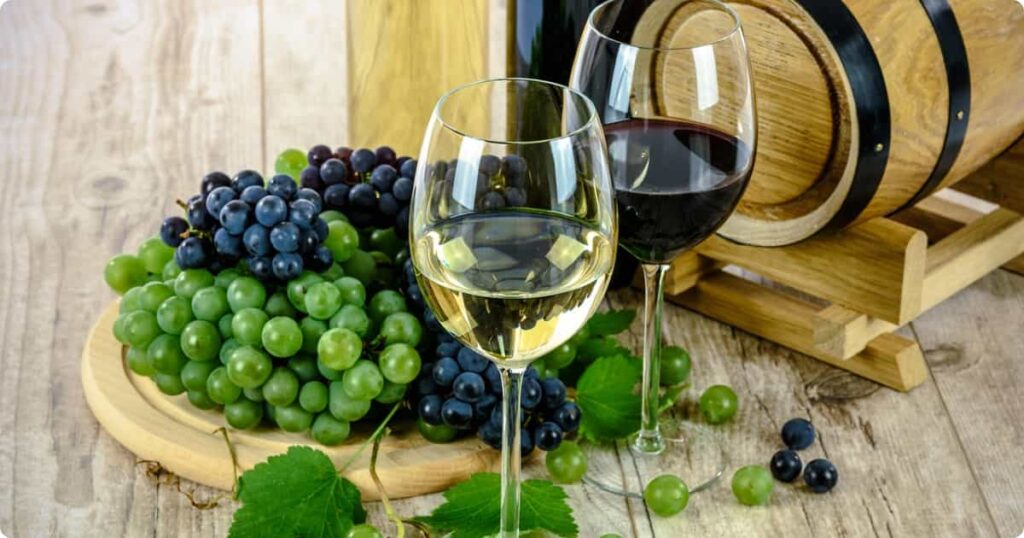
Stellenbosch has over 150 wineries. These five consistently deliver on wine quality, tasting experience, and visitor facilities.
- Book Delaire Graff and Tokara in advance — both fill up on weekends
- Kanonkop does not require reservations for individuals (groups of 8+ need to book)
- Meerlust requires an appointment — email [email protected] ahead of your visit
- Most tasting fees run R80–R250 and are often refunded on bottle purchases
- All five estates are within the greater Stellenbosch wine region
Kanonkop Wine Estate
Kanonkop is South Africa’s benchmark Pinotage producer. The estate has been in the Sauer family for four generations, and its Paul Sauer Bordeaux blend is considered one of the country’s finest red wines.
The tasting room is straightforward and unpretentious no art galleries or restaurants, just serious wine. You can do a Pinotage-only tasting covering six expressions of the grape, or taste the full current vintage range. A self-guided cellar tour is included. This is the purist’s choice come here if wine quality is your only priority.
Tokara Wine Estate
Tokara sits on the southern slopes of Simonsberg mountain and delivers on multiple levels: wine, views, food, and contemporary art. The estate grows Cabernet Sauvignon and Sauvignon Blanc as its flagships, alongside Chardonnay, Syrah, and Semillon.
The restaurant is one of the best in Stellenbosch perched on Helshoogte Pass with sightlines across the valley to False Bay. Don’t miss the olive oil tasting alongside the wines; Tokara’s olive oil production rivals anything from Mediterranean estates. Book a dinner reservation for a four or six-course chef’s menu with wine pairings.
Meerlust Estate
Meerlust was established in 1756 and has been in the Myburgh family for eight generations. The property produces four red wines Pinot Noir, Merlot, Cabernet Sauvignon, and the flagship Rubicon Bordeaux blend plus a Chardonnay.
The estate sits 15 km south of Stellenbosch, cooled by ocean breezes from False Bay. Rubicon is the wine that put Meerlust on the international map a structured, age-worthy Bordeaux blend that competes with bottles costing twice its price. Appointment required.
Waterford Estate
Waterford is relatively young established in 1998 but has quickly built a reputation for precision winemaking. The estate is known for its Cabernet Sauvignon and a unique wine-and-chocolate pairing experience that pairs dark, milk, and white chocolate with their reds.
The tasting room is relaxed and the guides are knowledgeable without being intimidating. Waterford suits travelers who want an approachable, food-focused tasting experience rather than a formal tutored session.
Delaire Graff Estate
Delaire Graff is the most luxurious property in Stellenbosch. The estate combines world-class wine with a diamond boutique, contemporary art collection, two restaurants, and a lodge. Views from the tasting room look directly across the Helshoogte Pass.
This is the splurge option tastings are priced higher than most estates and the restaurant carries a premium. However, the wines are genuinely exceptional and the setting is unlike anything else in the Winelands. Book well in advance for both tasting and dining.
Stellenbosch Wine Tour Itinerary: Half Day vs Full Day
| Expense | Budget Option | Mid-Range | Premium |
|---|---|---|---|
| Transport / Tour | R300 (Vine Hopper) | R900–R1,900 (Group tour) | R4,750+ (Private vehicle) |
| Wine Tastings (per winery) | R80–R120 | R150–R200 | R200–R250+ |
| Lunch | R150–R250 (casual) | R300–R450 (estate bistro) | R500–R600+ (fine dining) |
| Franschhoek Wine Tram | — | R300–R450 pp | R450 (premium route) |
| Bottles to Take Home | R80–R150 per bottle | R200–R400 per bottle | R500+ per bottle |
| Estimated Full Day Total (pp) | ~R800–R1,000 | ~R1,500–R2,000 | ~R3,000–R5,000+ |
Half-Day Stellenbosch Wine Tour
A half-day works for travelers with an afternoon flight, a morning arrival, or simply limited time. Focus on two to three estates in close proximity.
- Start at 09:00 to beat crowds at the first estate
- Choose estates within the same route Helshoogte or central Stellenbosch
- Visit Tokara first for views and an early tasting, then Kanonkop for serious reds
- Finish with lunch in Stellenbosch town the De Warenmarkt food hall is excellent for a quick bite
- Be back in Cape Town by 14:00 if needed
Two estates and a town lunch is a perfect half-day. Don’t rush a third wine tasting is not a race.
Full-Day Stellenbosch + Franschhoek Combo
A full day allows you to cross the Helshoogte Pass and combine both regions. This is the most popular structure for first-time Winelands visitors.
- Depart Cape Town or Stellenbosch by 09:00
- Morning: two Stellenbosch estates — Kanonkop and Waterford work well together
- Midday: cross Helshoogte Pass into Franschhoek (30-minute drive)
- 13:00: Lunch in Franschhoek — book ahead, this is non-negotiable
- Afternoon: one Franschhoek estate or the first hour of the Wine Tram
- Return to Cape Town by 18:00
The Helshoogte Pass drive between Stellenbosch and Franschhoek is itself a highlight mountain scenery that stops you mid-sentence.
Stellenbosch Wine Tour Prices: What to Budget
Understanding costs before you book prevents the most common frustration: hidden extras that inflate the day.
- Group tours from Cape Town: R900–R1,900 per person (all-inclusive with lunch)
- Vine Hopper hop-on hop-off: R300–R350 per person (tastings extra)
- Private vehicle hire: R4,750–R8,450 per vehicle per day (not per person)
- Individual tasting fees: R80–R250 per winery
- Franschhoek Wine Tram: R300–R450 per person depending on route
- Lunch at a winery restaurant: R250–R600 per person for two to three courses
- Uber between Stellenbosch and Franschhoek: R150–R250 per trip
Budget R1,500–R2,500 per person for a comfortable full day covering tastings, transport, and lunch. You can do it for less on a self-guided Vine Hopper day, or more on a private tour with premium dining.
The Franschhoek Wine Tram: Everything You Need to Know
The Franschhoek Wine Tram is the single most popular wine experience in the Cape Winelands and for good reason. It combines hop-on hop-off flexibility with scenic tram and bus transport between estates in the Franschhoek valley.
- Departs from the Franschhoek village centre the ticket office sits on the corner of Main Road and Cabrière Street
- Multiple routes available, each covering different estates in the valley
- Tram tickets run approximately R300–R450 per person
- Wine tastings at each estate are paid separately on arrival
- Routes operate Tuesday through Sunday check the tram website for current schedules
The tram covers estates including Boschendal, Grande Provence, Moreson, and others depending on your route. Boschendal is a must the estate dates to 1685 and produces a wide range of varietals in a stunning Cape Dutch setting.
One important logistics note: road works in and around Franschhoek have caused delays on certain days. The tram operator adjusts affected lines to minimise waiting times. Check current notices on the tram website before your visit.
The tram works best for travelers who are already in Franschhoek or arriving independently. If you’re coming from Cape Town for a single day, a guided tour that includes Franschhoek is more efficient than combining a Cape Town transfer with the tram.
Practical Tips Before You Go
These are the details that separate a good Winelands day from a great one.
- Never self-drive — South Africa’s drink-drive limit is 0.05g/100ml blood alcohol, strictly enforced
- Book weekend tastings in advance — Tokara, Delaire Graff, and Meerlust fill quickly on Saturdays
- Eat before you start — a proper breakfast before tasting prevents a very difficult afternoon
- Pace yourself — three estates per day is the maximum for a genuine, enjoyable experience
- Bring extra bags — you will buy bottles; most estates offer good value even in the premium range
- Plan your return transport early — Uber availability drops after 16:00 in the Winelands
- Spring (September–November) offers fewer crowds and beautiful vine growth before harvest
The best time to visit for harvest activity is January through April. However, spring visits offer cooler weather, blossoming landscapes, and significantly shorter queues at popular estates.
The Verdict
We’ve reviewed every format, mapped every region, and priced every option. Here’s our definitive call: for first-time visitors arriving from Cape Town, the full-day guided group tour covering Stellenbosch, Franschhoek, and Paarl gives you the most for your money and the most complete introduction to the Cape Winelands. If you’re already based in the Winelands, the Vine Hopper in Stellenbosch and the Wine Tram in Franschhoek are the two best independent experiences available. For a group of four or more, go private the per-person cost becomes competitive and the personalisation is worth every rand.
