

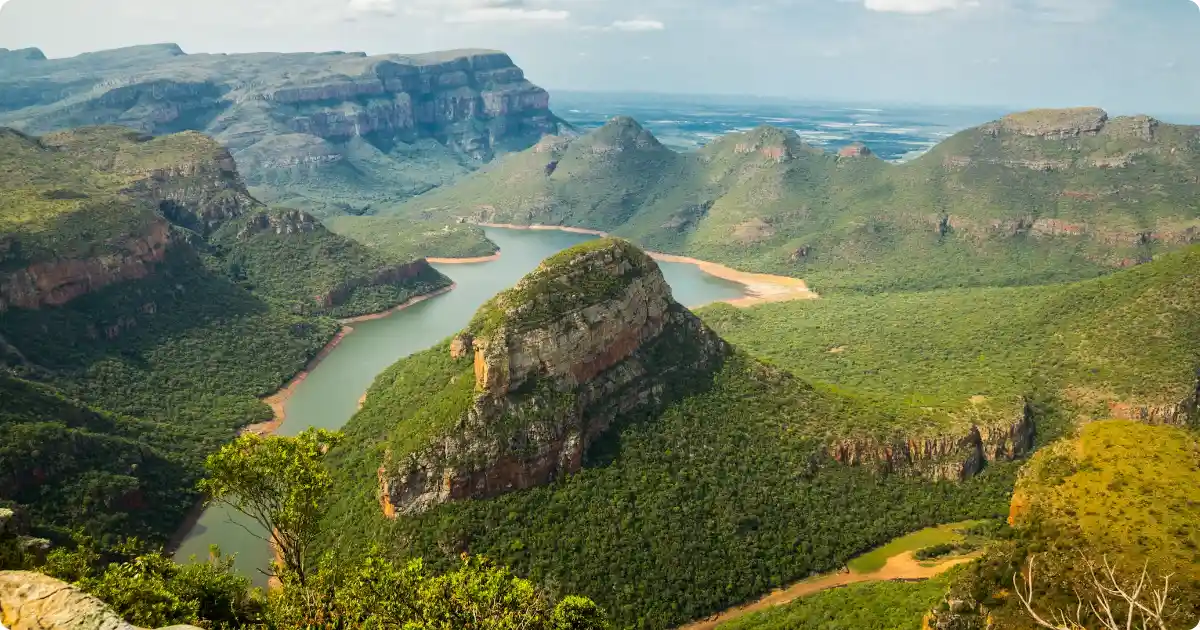
South Africa is the only country where you can watch a leopard at dawn, drink world-class Chenin Blanc by noon, and stand on a mountain overlooking two oceans by sunset all within a single day’s drive.
That range is exactly what makes it hard to evaluate honestly. The safety headlines are real. So are the jaw-dropping experiences. Most travel content picks a side. This guide doesn’t.
You’ll find the actual pros, the actual cons, what $100 buys you on the ground, and a straight verdict on whether South Africa belongs on your itinerary.
QUICK ANSWER:
South Africa is worth visiting for most travelers. Wildlife, landscapes, food, and exchange-rate value are genuinely world-class. Crime is real but concentrated and manageable with basic precautions. Prepared travelers consistently report it as one of the best trips they’ve ever taken.
The Pros of Visiting South Africa
South Africa offers a combination of experiences that almost no other single country can match. Here’s what makes it exceptional.
Extraordinary Value for Money
The South African rand is one of the great advantages for US and UK travelers right now. At approximately 16.5 ZAR to the dollar in April 2026, your budget goes significantly further than in comparable destinations.
- Use a Wise or Revolut card — you’ll beat every bank rate available locally
- Expect a sit-down restaurant meal to cost $8–15 USD at mid-range venues
- Budget $60–120 per night for excellent guesthouses in Cape Town’s best neighborhoods
- Choose local wine over imports — Stellenbosch bottles cost R80–150 ($5–9 USD) in restaurants
- Skip luxury safari lodges — Kruger’s rest camps deliver the same wildlife at a fraction of the price
The exchange rate means South Africa punches well above its weight. A trip that would cost $8,000 in East Africa can be done for $3,500–4,500 here with comparable quality.
World-Class Wildlife and Safari Access
Kruger National Park alone justifies the long-haul flight. At nearly 2 million hectares, it’s one of Africa’s great wildlife reserves — and it’s self-drive accessible, which is rare on the continent.
- Choose Kruger’s southern camps for the densest Big Five sightings
- Self-drive from R480 per day — no guide fees required
- Pick Sabi Sands if budget allows — the leopard sightings are unmatched globally
- Book morning game drives for the best light and animal activity
- Avoid December–February if wildlife viewing is your primary goal — vegetation is too thick
Beyond Kruger, South Africa offers Addo Elephant Park, iSimangaliso Wetland Park, and private reserves that cater to every budget level. For a deeper breakdown, our guide to Sabi Sands vs Kruger National Park covers both options head-to-head.
Stunning Diversity of Landscapes
Few countries compress this much geographic variety into one destination. In two weeks, travelers move from Atlantic beaches to high-altitude mountains to semi-arid plains to subtropical coastline.
- Drive the Garden Route for the most scenically varied road trip in Africa
- Visit Boulders Beach near Cape Town for the world’s only accessible penguin colony
- Hike the Drakensberg mountains in KwaZulu-Natal for Lesotho border views
- Add the Karoo for stark, cinematic desert landscapes unlike anywhere else
- Time the Hermanus coastline for whale watching — June through November is peak season
South Africa’s 2,798 kilometers of coastline alone — spanning two oceans — gives it a geographic range that no comparable African destination can offer.
Cape Town: One of the World’s Great Cities
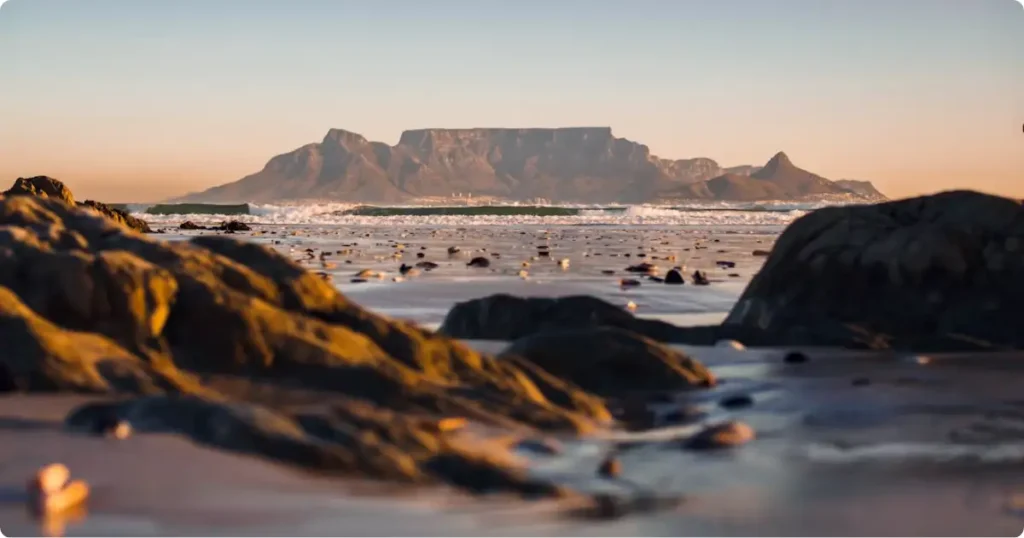
Cape Town consistently ranks among the world’s most beautiful cities, and the ranking is deserved. Table Mountain, the Atlantic Seaboard, the Winelands, and Robben Island are all within 90 minutes of the city center.
- Take the Table Mountain aerial cableway on a clear morning — afternoon cloud rolls in fast
- Stay in the De Waterkant or Camps Bay neighborhoods for safety and proximity to everything
- Visit Robben Island early — tours sell out weeks ahead in peak season
- Use Uber throughout Cape Town — it’s cheap, safe, and reliable
- Budget 4–5 days minimum to do Cape Town properly, not 2
For US and UK travelers, Cape Town feels simultaneously familiar and utterly foreign — a city with world-class infrastructure wrapped in extraordinary natural scenery.
The Food, Wine, and Culture Scene
South Africa’s food scene is underrated almost everywhere it’s discussed. The Cape Winelands — Stellenbosch, Franschhoek, and Paarl — produce wines that compete with the best in the world, at prices that make European wine tourism look expensive.
- Visit Franschhoek for the most concentrated collection of high-end restaurants in the country
- Try Cape Malay cuisine in the Bo-Kaap neighborhood — lamb curry and koesisters are essential
- Order a braai (South African barbecue) at least once — it’s a cultural experience, not just a meal
- Expect excellent espresso — South Africa’s coffee culture is genuinely impressive
- Book Stellenbosch wine farms on weekdays to avoid weekend crowds
The Apartheid Museum in Johannesburg and Robben Island in Cape Town offer two of the most affecting historical experiences available anywhere in Africa.
The Cons of Visiting South Africa
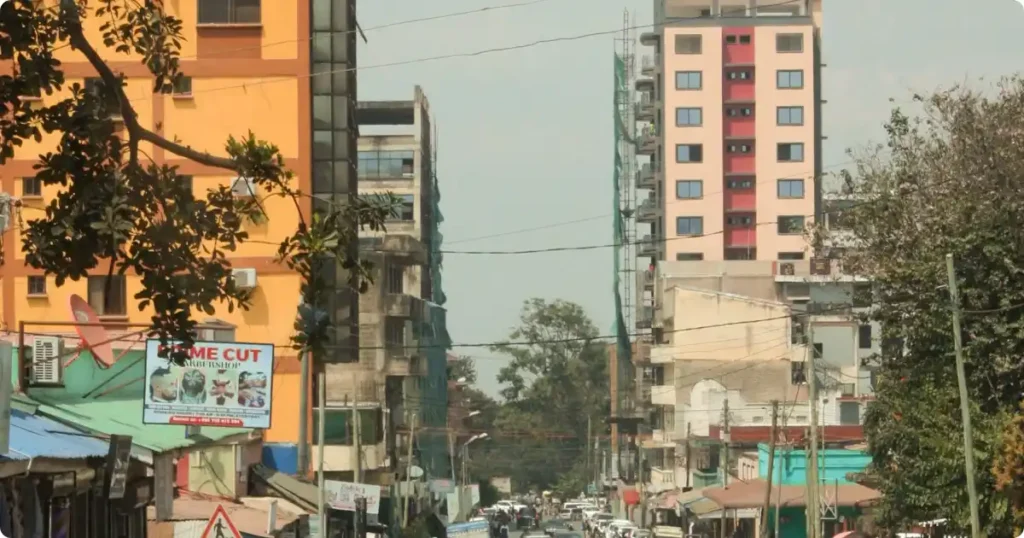
No honest review skips this section. South Africa has real challenges, and downplaying them does travelers a disservice.
Crime Is Real — Here’s the Honest Picture
South Africa has a high crime rate. That’s factual, not alarmist. The US State Department rates it Level 2: Exercise Increased Caution — the same rating as France, Germany, and the United Kingdom.
- Avoid walking after dark in Johannesburg’s CBD, Cape Town’s city bowl, and Durban’s waterfront
- Never leave valuables visible in a parked rental car — smash-and-grab theft is common
- Use Uber instead of street taxis in every major city, without exception
- Skip ATMs at night — use your hotel’s safe and draw cash in malls during daylight
- Stay in recommended tourist neighborhoods — Sandton, Camps Bay, Umhlanga are consistently safe
The crucial distinction: most serious crime in South Africa is concentrated in specific urban neighborhoods, not spread evenly across tourist areas. Travelers who stay in recommended zones, use private transport, and follow basic situational awareness report experiences comparable to major European cities.
INSIDER SECRET: The V&A Waterfront in Cape Town has its own private security patrol and is genuinely one of the safer public spaces in the city — use it as your base for evenings rather than wandering the city bowl.
Load Shedding and Infrastructure Gaps
Load shedding — South Africa’s system of rolling blackouts — has improved since its 2023 peak but remains a travel inconvenience that no other major tourism destination imposes on visitors.
- Download the EskomSePush app before arrival — it gives real-time outage schedules
- Choose accommodation with generator backup — most hotels and guesthouses now have it
- Expect ATMs to be offline during outages — always carry some cash
- Charge devices whenever power is available, not on a schedule
- Rural areas and game reserves are largely unaffected — it’s primarily an urban issue
Ambulance response times in non-urban areas are unreliable. Travel insurance with medical evacuation coverage is not optional here — it’s essential.
Long-Haul Flights with No Easy Route
From the US, South Africa is a genuinely difficult journey. There are no nonstop flights from North America. Minimum travel time from New York is 15–18 hours with the best connections.
- Fly via London (Heathrow), Amsterdam, Frankfurt, Doha, or Dubai for the most reliable connections
- Choose overnight connections where possible — it reduces body clock disruption
- Book UK travelers note: London to Cape Town via Ethiopian Airlines or Qatar routes are currently competitive
- Add a minimum 2-night buffer on each end for long itineraries — jetlag is real at this distance
- Use Google Flights’ date grid — midweek departures are consistently cheaper by $200–400
From the UK, the equation is significantly better — Cape Town is 11–12 hours direct from Heathrow on British Airways and Virgin Atlantic.
Inequality Is Visible and Uncomfortable
This is the con that travel blogs rarely say directly: the wealth gap in South Africa is one of the starkest on earth, and it is impossible to miss as a tourist.
- Expect to see informal settlements (townships) directly adjacent to affluent areas
- Avoid “poverty tourism” framing when visiting townships — book ethical, community-led tours only
- Understand that tipping generously is expected and genuinely impactful at local purchasing power
- Research the history before you arrive — apartheid’s legacy shapes everything you’ll see
- Some travelers report genuine discomfort; arriving informed makes a significant difference
This isn’t a reason to skip South Africa. But travelers who arrive unprepared for the visual reality of extreme inequality sometimes find it harder to enjoy what is, otherwise, a spectacular destination.
Is South Africa Safe for American Tourists?
The honest answer: yes, with preparation. The perception of danger significantly outpaces the reality for tourists who stay in recommended areas.
The US State Department’s Level 2 advisory — the same applied to France and Germany — reflects genuine crime levels but not the specific tourist experience. Violent crime in South Africa is concentrated in residential townships and specific urban neighborhoods, not in the areas where tourists spend their time.
- Stay in tourist-grade neighborhoods in each city: Sandton (Johannesburg), Camps Bay or De Waterkant (Cape Town), Umhlanga (Durban)
- Use Uber exclusively — it’s the single most effective safety decision you can make in cities
- Book safari and game reserve time early in your trip — reserves have zero urban crime concerns
- Carry a secondary phone or cheap burner for navigation — don’t display your primary device
- Purchase travel insurance with medical evacuation before departure — ambulance infrastructure outside cities is limited
Travelers who book guided safari itineraries, stay in recommended accommodations, and use private transport report overwhelmingly positive safety experiences. The risk profile for a well-planned South Africa trip is not meaningfully different from visiting any major European city.
For a complete breakdown of safety by city, our guide to whether Cape Town and South Africa are safe covers Johannesburg, Cape Town, and Durban in detail.
How Many Days Do You Need in South Africa?
| Trip Length | Best For | Recommended Itinerary | Internal Flights Needed? |
|---|---|---|---|
| 7 days | First-time visitors, single-region focus | Cape Town + Winelands only, or Kruger only | No |
| 10 days | Cape Town + safari combo | 4 nights Cape Town, 1 night Garden Route, 4 nights Kruger | Yes — Cape Town to Nelspruit |
| 12–14 days | First-timers wanting the full picture | Cape Town, Winelands, Garden Route, Kruger | Yes — Cape Town to Nelspruit or Hoedspruit |
| 16–21 days | Repeat visitors or slow travelers | Add Durban, Drakensberg, or Addo Elephant Park | Yes — multiple domestic legs |
Most travelers significantly underestimate South Africa’s size. It’s 1.2 million square kilometers. Internal flights are necessary for any itinerary combining Cape Town, Kruger, and a third destination.
- Budget 10–14 days minimum for a Cape Town + Kruger itinerary with one stop in between
- Choose 7 days only if focusing on one region — Cape Town + Winelands or Kruger alone
- Add 3–4 days for the Garden Route if flying into Cape Town and out of Johannesburg
- Book domestic flights on FlySafair or Airlink — they’re reliable and significantly cheaper than rentals for long distances
- Never plan back-to-back game drives and city days — give buffer time, especially with load shedding
The sweet spot for first-time visitors is 12–14 days: 4 in Cape Town, 2–3 on the Garden Route or Winelands, and 4–5 in or around Kruger.
Best Time to Visit South Africa
| Travel Goal | Best Months | What to Expect | Avoid |
|---|---|---|---|
| Safari / Wildlife Viewing | May – September | Dry vegetation, animals at waterholes, cool nights | Dec – Feb (thick vegetation) |
| Cape Town Beach & City | December – February | Long days, warm Atlantic, peak crowds and prices | June – August (cold, windy) |
| Winelands Harvest Season | February – April | Grape harvest, cooler days, fewer tourists | July – August (dormant vines) |
| Whale Watching (Hermanus) | June – November | Southern right whales calving in Walker Bay | December – May (whales absent) |
| Garden Route Road Trip | September – November | Wildflowers, mild temps, shoulder-season pricing | Mid-Dec to Jan (holiday crowds) |
| Best Value / Lowest Crowds | May – June or September | Excellent safari, mild weather, 20–30% cheaper rates | School holidays (late June, mid-Dec) |
South Africa is a year-round destination, but timing matters — especially if safari is a priority.
- Choose May–September for safari — dry season means sparse vegetation and easy wildlife spotting
- Visit Cape Town in December–February for beach weather and long days, but expect peak crowds and prices
- Book the shoulder months of September–October or March–April for the best balance of weather, value, and availability
- Avoid school holiday weeks — late June through July and mid-December bring domestic crowds that push prices up 30–50%
- Pack layers regardless of season — Cape Town’s weather changes within hours, and nights in Kruger drop sharply in winter
South Africa’s winter (June–August) is the premium safari season. Days are warm, nights are cold, and animals congregate around water sources making Big Five sightings significantly more reliable.
The Verdict
South Africa is worth visiting and for most US and UK travelers, it will exceed what they expected. The wildlife is extraordinary. The value for money is exceptional at current exchange rates. Cape Town delivers on every piece of its reputation. The Winelands are legitimately world-class. And Kruger is one of the few places on earth where you can self-drive into genuine wilderness and watch lions cross the road in front of you.
The crime, the inequality, and the infrastructure gaps are real. We won’t minimize them. But they are navigable. Travelers who arrive with accurate expectations, stay in the right neighborhoods, use private transport, and carry proper travel insurance have a risk profile that compares favorably to any major global city.
The only travelers who genuinely regret South Africa are those who arrived unprepared. Arrive prepared, and it ranks among the great trips of a lifetime.
