

We’ve seen travelers land in Iceland completely unprepared for the food. One look at “fermented shark” and Iceland has a food reputation problem. Fermented shark and boiled sheep’s head dominate the headlines and most first-time visitors arrive either dreading the menu or expecting nothing beyond fish and potatoes.
The reality is almost the opposite. Icelandic lamb ranks among the finest meat in the world. The seafood is pulled from some of the cleanest cold water on the planet. And Reykjavik’s restaurant scene has quietly become one of the most creative in Northern Europe.
This guide tells you exactly what to order, what to skip, and what to budget so you spend your money on the dishes that are actually worth it.
The Short Answer:
Iceland’s best foods are lamb, skyr, plokkfiskur, pylsa, and fresh langoustine all widely available and worth every dollar. Skip hákarl unless the dare appeals to you. Budget $25–$45 per main course at a sit-down restaurant in Reykjavik.
Iceland Food at a Glance
Iceland’s cuisine is built on three pillars: lamb, seafood, and dairy. The country’s isolation shaped a food culture rooted in preservation, quality ingredients, and making the most of a harsh landscape.
- Expect lamb, cod, haddock, and skyr on almost every menu
- Avoid assuming Icelandic food is bland — it genuinely isn’t
- Know that fresh seafood here ranks among the best in the world
- Check food hall menus first they offer quality at lower prices
- Budget carefully: even casual lunches run $25–$35 per person
Iceland’s modern food scene is thriving, especially in Reykjavik.
The Must-Try Icelandic Foods (Ranked by Deliciousness)
| Food | What It Is | Best Way to Eat It | Try It / Skip It |
|---|---|---|---|
| Lamb (Hangikjöt) | Smoked free-range Icelandic lamb | On rugbraud with butter | ✅ Must Try |
| Skyr | Thick Icelandic soft cheese / cultured dairy | Plain with berries at breakfast | ✅ Must Try |
| Plokkfiskur | White fish and potato stew | With rugbraud and butter on the side | ✅ Must Try |
| Pylsa | Lamb, pork, and beef hot dog | “Eina með öllu” — one with everything | ✅ Must Try |
| Langoustine | Small, sweet cold-water shellfish | Grilled, at Fjöruborðið | ✅ Must Try |
| Rugbraud | Dark, dense geothermal rye bread | With smoked lamb or sea salt butter | ✅ Must Try |
| Harðfiskur | Wind-dried white fish (cod or haddock) | With salted butter spread on top | ✅ Try It |
| Arctic Char | Fresh cold-water fish, related to salmon | Pan-seared, medium, with Icelandic butter | ✅ Must Try |
| Hákarl | Fermented Greenlandic shark | One cube with brennivín — once | ⚠️ Dare Only |
| Svið | Boiled half sheep’s head | At Þorrablót festival events only | ⚠️ Festival Only |
These are the dishes travelers consistently rate as trip highlights. Each one reflects Iceland’s landscape, climate, and culinary history without requiring a dare.
- Try lamb first — it’s the single best thing Iceland produces
- Order skyr at breakfast for a filling, high-protein start
- Pick plokkfiskur for a comforting, budget-friendly lunch option
- Find a pylsa cart for the most authentically local $5 meal in the country
- Choose fresh langoustine over imported shellfish wherever menus overlap
Start with these eight, and you will not be disappointed.
Lamb The Star of Every Menu
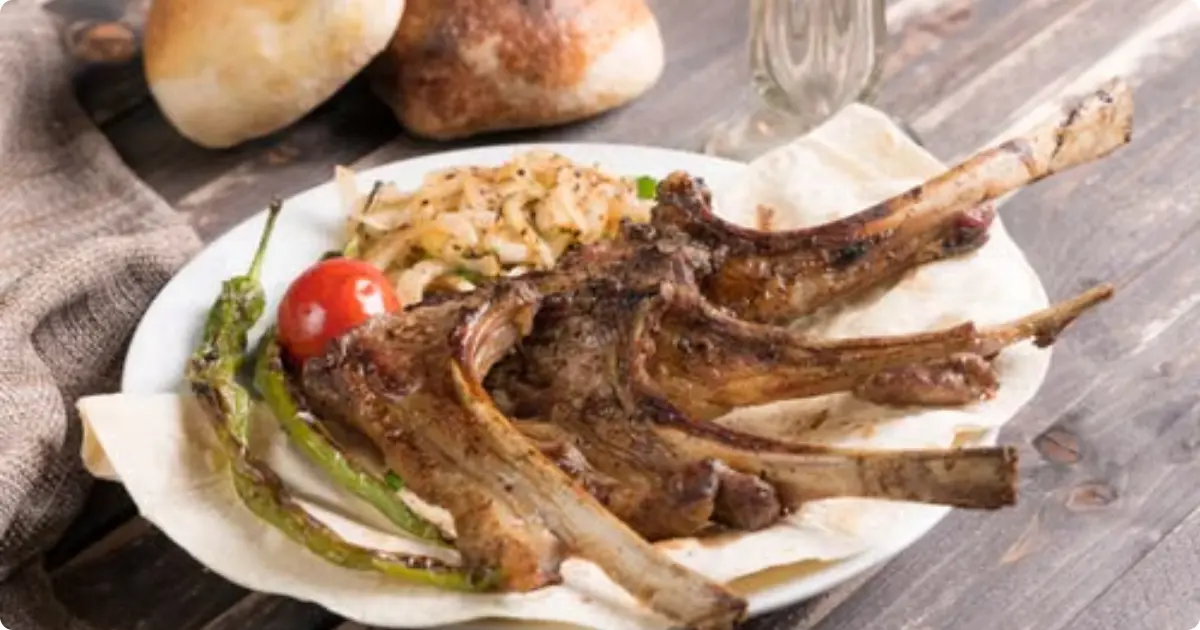
Icelandic lamb is world-class for a specific reason. These sheep roam free across volcanic highlands, eating wild herbs and grasses. No antibiotics, no growth hormones — the flavor is noticeably cleaner than anything most US or UK travelers have tried before.
- Order rack of lamb, hangikjöt (smoked lamb), or kjötsúpa (lamb stew)
- Avoid well-done — Icelandic lamb is best served medium or rare
- Try hangikjöt on rugbraud for a quick, traditional, and cheap lunch
- Find lamb on menus at every price point, from food halls to fine dining
Lamb appears on almost every restaurant menu in the country — fine dining and casual alike.
Skyr The Protein You’ll Actually Crave
Skyr looks like yogurt but is technically a soft cheese. It’s been an Icelandic staple for over a thousand years. The texture is thicker than Greek yogurt, and the taste is milder with a subtle tang.
- Eat plain skyr with berries for a clean, filling breakfast
- Find it at every grocery store, gas station, and hotel buffet
- Buy the Kea brand at Bonus supermarket — locally preferred and affordable
- Try skyrkaka (skyr cheesecake) for a dessert version worth ordering
Skyr costs around $2–$4 at supermarkets — far cheaper than restaurant portions.
Plokkfiskur Iceland’s Comfort Food Classic
Plokkfiskur is a simple fish stew made with white fish, potatoes, onion, milk, and flour. It’s hearty, warming, and deeply Icelandic. Most restaurants serve it with a thick slice of rugbraud and butter on the side.
- Choose plokkfiskur for lunch — it’s filling without being too heavy
- Expect cod or haddock as the fish base in most versions
- Ask for extra rye bread — it’s included at most places at no extra cost
This dish is Iceland’s equivalent of a home-cooked comfort meal.
Pylsa The Hot Dog You Won’t Regret
The Icelandic hot dog (pylsa) is a national obsession. Made from a blend of lamb, pork, and beef, it’s served with raw onion, crispy fried onion, mustard, ketchup, and remoulade. Bæjarins Beztu Pylsur in Reykjavik is the most famous pylsa stand in the country.
- Order “eina með öllu” — that means one with everything in Icelandic
- Pay around $3–$5, making it the cheapest quality food in Iceland
- Skip the plain version — the full condiment stack is entirely the point
- Find the stand near the old harbor in central Reykjavik
The queue at Bæjarins Beztu is always worth it.
Langoustine The Shellfish Worth the Splurge
Langoustines are small shellfish, somewhere between a shrimp and a small lobster. Iceland’s cold, clean waters produce exceptionally sweet, tender specimens. Grilled is the best preparation by a wide margin.
- Drive to Fjöruborðið in Stokkseyri for the definitive langoustine experience
- Order grilled over soup if you want the clearest, purest flavor
- Budget $40–$60 for a full langoustine meal at a dedicated restaurant
- Find langoustines on Reykjavik menus too, but quality varies significantly
The hour-long drive from Reykjavik to Fjöruborðið is genuinely worth making.
Rugbraud The Geothermal Rye Bread
Rugbraud is dark, dense, slightly sweet rye bread baked without a crust. Traditionally, it’s made in a pot buried near a hot spring and left overnight. The geothermal heat does all the work. The result is moist, fudgy, and unlike any bread most travelers have encountered.
- Try rugbraud topped with smoked lamb, butter, or sea salt
- Visit Fontana Spa near the Golden Circle to see it baked underground
- Buy a loaf at Kolaportið Flea Market in Reykjavik for around $5
- Pair with hangikjöt or pickled herring for a traditional Icelandic lunch
This is one of those foods that tastes better once you know the story behind it.
Harðfiskur Dried Fish Done Right
Harðfiskur is wind-dried white fish typically cod, haddock, or wolffish. It’s eaten as a snack, plain or spread with salted butter. The texture is chewy, the flavor concentrated and salty. Most Icelanders eat it the way Americans eat chips.
- Buy harðfiskur at Kolaportið Flea Market or any grocery store
- Spread butter on top — eating it completely plain is an acquired taste
- Pick haddock varieties for a milder, more approachable first experience
- Pack it as a high-protein hiking snack for Iceland’s trails
A small bag costs around $4–$8 and lasts all day on the trail.
Arctic Char The Freshest Fish on the Plate
Arctic char is a cold-water fish native to Iceland’s glacial rivers and lakes. It’s related to salmon and trout, but the flesh is more delicate and cleaner in flavor than most farmed alternatives. It appears on most restaurant menus, typically pan-seared with simple accompaniments.
- Order Arctic char at any mid-range restaurant for reliable, consistent quality
- Choose pan-seared over smoked if you want the pure, natural flavor
- Pair with Icelandic butter and rugbraud for the full local experience
Arctic char is one dish where Iceland’s cold-water advantage is completely obvious on the plate.
What to Skip (Or Treat as a Dare)
Some Icelandic foods exist as cultural history, not as genuine culinary pleasures. These are worth knowing about — but not necessarily worth ordering.
- Skip hákarl unless bragging rights matter more than enjoying your meal
- Avoid svið (sheep’s head) if offal is not part of your usual diet
- Seek these out at Þorrablót festival events in January or February instead
- Research menus carefully — some Reykjavik restaurants list these for tourists specifically
Most Icelanders eat these foods rarely, if at all, in daily life.
Hákarl (Fermented Shark)
Hákarl is Greenlandic shark, fermented for up to 18 weeks and then air-dried. The ammonia smell is genuinely intense it hits before the food reaches the table. The taste follows the smell closely.
- Expect a strong ammonia hit before you even take a bite
- Take one cube maximum — it’s a cultural experience, not a meal
- Pair with brennivín, Iceland’s signature clear schnapps, to cut through the flavor
- Find it at Þorrablót events or specialty restaurants in Reykjavik
Hákarl is historically interesting. It is not delicious. Now you know — no need to find out the hard way.
Svið (Sheep’s Head)
Svið is a seared and boiled half sheep’s head, served intact with the eye. It’s part of Þorrablót, the Viking-age midwinter feast celebrated in January or February. Outside that festival context, it appears on very few standard menus.
- Find svið at Þorrablót events — it’s largely off-menu the rest of the year
- Skip it in summer, as it’s rarely available outside the festival season
- Treat it as a cultural history lesson rather than a dining priority
You will remember eating svið. Whether that memory is fond is a completely separate question.
What Icelanders Eat for Breakfast
Icelandic breakfast is practical, protein-rich, and surprisingly good. Hotel buffets are generous by European standards. Locals keep it simple at home.
- Eat skyr with berries and honey — the standard local morning meal
- Try rugbraud with smoked lamb pâté or pickled herring alongside
- Order hafragrautur (oatmeal) at traditional cafés for a warming start
- Pick up kleinur (a twisted fried doughnut) at local bakeries
- Avoid skipping breakfast — Iceland’s outdoor days are long and demanding
INSIDER SECRET: Braud & Co in Reykjavik opens at 6 AM and sells out of cardamom croissants by 10 AM. Get there early it’s a local queue, not a tourist one.
Hotel breakfast buffets in Iceland consistently include skyr, rugbraud, cold cuts, and fresh pastries — worth the add-on cost.
Street Food and Food Halls in Iceland

Iceland’s street food scene is small but sharply executed. Food halls have become the best alternative to expensive sit-down restaurants, particularly in Reykjavik.
- Start at Hlemmur Mathöll (Hlemmur Food Hall) for the widest daily variety
- Order a pylsa from Bæjarins Beztu Pylsur for under $5 on the street
- Find fish and chips in Húsavík at the aptly named Fish and Chips
- Try Kaffivagninn near the old harbor — reportedly Iceland’s oldest operating restaurant
- Pick food halls over tourist-facing restaurants for better quality per dollar spent
Food halls like Hlemmur offer restaurant-quality cooking at significantly lower prices. Travelers who want to extend this kind of culinary discovery across Europe will find more options covered in our guide to food tours in Europe.
Iceland Food Prices: What to Budget in USD
| Meal Type | What You Get | Approx. Cost (USD) | Best Option |
|---|---|---|---|
| Street Food | Pylsa (hot dog) with full condiments | $3–$5 | Bæjarins Beztu Pylsur, Reykjavik |
| Supermarket Breakfast | Skyr, rugbraud, fruit, juice | $8–$12 | Bonus or Krónan supermarkets |
| Casual Café / Bakery | Pastry + coffee or soup + bread | $10–$18 | Braud & Co, Reykjavik |
| Food Hall Lunch | Main dish + non-alcoholic drink | $15–$25 | Hlemmur Mathöll, Reykjavik |
| Mid-Range Restaurant | Starter + main course + water | $45–$80 | Messinn, Reykjavik |
| Fine Dining (tasting menu) | Multi-course experience with wine pairing | $150–$250+ | Dill, Reykjavik |
| Bar Beer (pint) | Local Icelandic lager (Viking or Gull) | $10–$14 | Any Reykjavik bar |
| Langoustine Meal | Grilled langoustines + sides at dedicated restaurant | $40–$60 | Fjöruborðið, Stokkseyri |
Food in Iceland is expensive. This is not an exaggeration or a rumor. Even travelers arriving from London or New York frequently report sticker shock on the first day. Planning ahead prevents panic spending.
- Budget $25–$45 for a main course at a mid-range sit-down restaurant
- Expect $10–$15 for a casual lunch at a food hall or bakery café
- Pay $3–$5 for a pylsa — the best per-dollar meal in the entire country
- Spend $100–$150 per person for a fine dining experience such as Dill
- Save money by shopping at Bonus or Krónan supermarkets for breakfast and picnic supplies
Alcohol is particularly expensive a beer at a bar typically costs $10–$14 USD.
Where to Eat in Reykjavik
Reykjavik punches well above its weight for a capital of 130,000 people. The restaurant scene is creative, ingredient-led, and genuinely worth planning around before you arrive. Our full guide to the best restaurants in Reykjavik covers every price point in detail.
- Go to Dill for Iceland’s only Michelin-starred tasting menu experience
- Try Messinn for exceptional pan-cooked fish in a warm, cozy setting
- Visit 3 Frakkar for traditional dishes including puffin and smoked lamb
- Eat at Hlemmur Mathöll for quality variety without the sit-down price tag
- Drive to Fjöruborðið (60 minutes south) specifically for the langoustine experience
Reykjavik rewards travelers who book ahead top restaurants fill weeks in advance, particularly in summer. Travelers inspired by Icelandic cooking who want to recreate dishes at home will find practical ideas in our guide to cooking classes while traveling.
The Verdict
Iceland’s food scene is far better than its reputation suggests. The fermented shark headlines bury the real story exceptional lamb, world-class fresh seafood, and a modern restaurant culture that earns every bit of its growing international attention. Travelers who eat where locals eat, skip the tourist-trap menus, and budget honestly will leave genuinely impressed. Our research consistently shows that food becomes one of the unexpected highlights of any Iceland trip. Start with the lamb. End with skyr cheesecake. Everything in between is worth exploring.
