

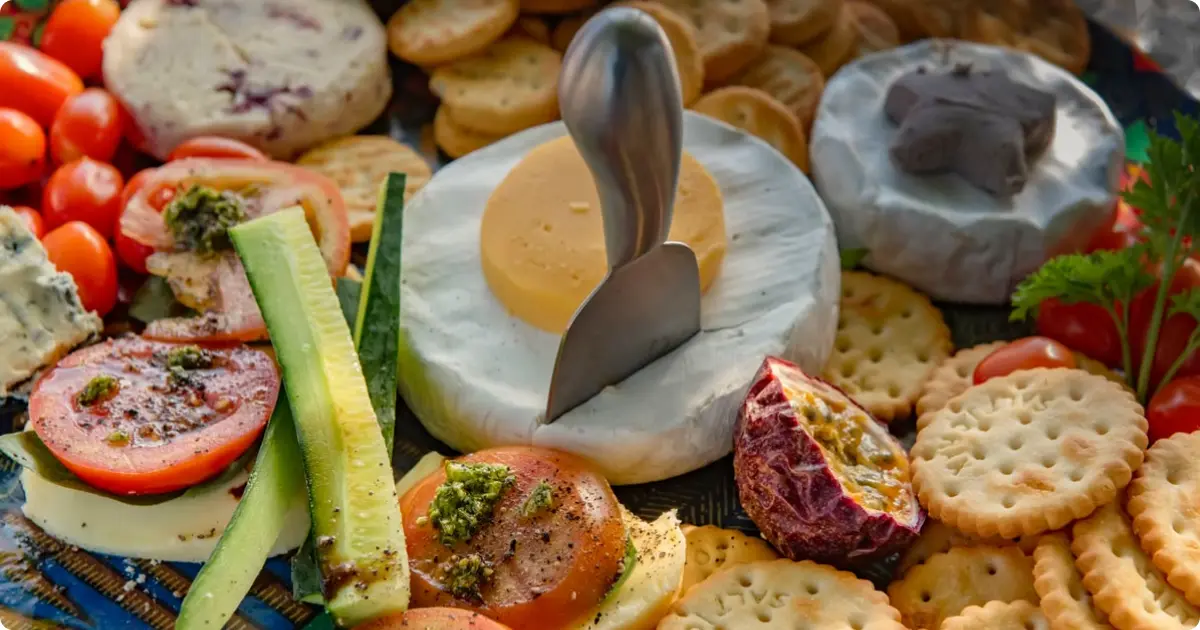
Bobotie tastes nothing like what its ingredients suggest. Spiced mince, dried fruit, egg custard, and curry powder sound like a culinary experiment but the result is one of the most cohesive, quietly compelling dishes on earth.
South Africa’s food confounds expectations at every turn. Travelers who arrive thinking braai is just a barbecue, or that pap is just porridge, leave having eaten five continents of culinary history in a single week.
This guide names every dish worth ordering, explains exactly what it is and where it comes from, and tells you which city, region, or setting serves it best.
The Short Answer:
South African food fuses indigenous African, Cape Malay, Dutch, Indian, and Portuguese traditions into one of the world’s most underrated cuisines. Start with bobotie (the national dish), braai, biltong, boerewors, and bunny chow. Each dish carries a distinct cultural origin and regional home.
What Makes South African Food Unlike Anything Else
South African cuisine is one of the most layered food cultures on earth. No single tradition defines it — and that’s exactly what makes it so compelling.
- Expect bold spices mixed with European comfort food techniques
- Find Indonesian, Indian, Dutch, French, and indigenous African flavors coexisting
- Note that each region — Cape Town, Durban, the Karoo — tastes distinctly different
- Avoid assuming it’s all meat; vegetable dishes and relishes run deep
- Understand that food here is communal — meals are events, not just nutrition
The phrase “Rainbow Nation” isn’t just political. It describes the plate as accurately as it describes the people.
A Cuisine Shaped by Many Cultures
South African food didn’t emerge from one tradition. It was built by centuries of trade, colonization, migration, and exchange.
- Dutch East India Company ships brought Malay and Indonesian slaves to the Cape in the 1600s
- French Huguenot settlers introduced European cooking techniques in the Western Cape
- Indentured Indian workers arrived in KwaZulu-Natal in the mid-1800s, bringing curry culture with them
- Indigenous Nguni and Sotho traditions contributed staple grains, fermented dairy, and slow-cooked meats
- Portuguese traders along the coast introduced peri-peri, prawns, and chilli cooking
The result is a cuisine where a single dinner table can carry five continents of flavor.
Cape Malay vs. Cape Dutch Two Pillars of the Kitchen
Two dominant styles shape what most travelers eat in South Africa’s cities and countryside.
Cape Malay cooking originates from the Muslim communities brought to Cape Town from Indonesia, Malaysia, and Bengal. It uses warm spices cardamom, turmeric, cinnamon, aniseed in both savory and sweet dishes. Bobotie and koesisters are its most famous exports.
Cape Dutch cooking draws from Afrikaans farm culture. It’s hearty, slow-cooked, and built for long days outdoors. Think lamb stews, pot roasts, and oven-baked breads. Both styles appear throughout restaurants and home kitchens today.
The Essential Dishes Every Visitor Must Try
| Dish | What It Is | Flavor Profile | Where to Try It | Must-Try? |
|---|---|---|---|---|
| Bobotie | Spiced minced meat bake with egg custard top | Warm, mildly spiced, slightly sweet | Cape Town, any Cape Malay restaurant | ✅ Essential |
| Boerewors | Coiled beef sausage with coriander and nutmeg | Savory, deeply spiced, smoky | Any braai, butcher, or roadside market | ✅ Essential |
| Biltong | Air-dried spiced meat — beef, kudu, or ostrich | Rich, salty, coriander-forward | Dedicated biltong shops nationwide | ✅ Essential |
| Bunny Chow | Hollowed bread loaf filled with curry | Spicy, bold, rich curry | Durban only — KwaZulu-Natal | ✅ Essential |
| Braai | Wood-fire barbecue — social event + meal | Smoky, charred, meat-forward | Everywhere — ask a local | ✅ Essential |
| Potjiekos | Cast-iron pot stew cooked over open fire | Deep, slow-cooked, layered spice | Rural guesthouses, farm stays | ⭐ Highly Recommended |
| Vetkoek | Deep-fried dough with savory or sweet filling | Mild dough, filling varies | Markets, townships, roadside stalls | ⭐ Highly Recommended |
| Pap | Ground maize porridge — three textures | Neutral, pairs with everything | Township restaurants, local diners | ⭐ Highly Recommended |
These are the non-negotiables. Miss one and you’ve missed the point of eating in South Africa.
- Order bobotie at any Cape Malay restaurant before anything else
- Find boerewors at a local braai, not a tourist restaurant
- Try biltong from a dedicated biltong shop, not a petrol station
- Skip bunny chow in Cape Town; Durban is where it belongs
- Ask locals where they braai — the best fires aren’t on menus
Every dish in this section tells a story that goes far beyond the ingredients.
Bobotie South Africa’s National Dish
Bobotie is the dish South Africa proudly calls its own. It’s a spiced minced meat bake usually beef or lamb layered with dried fruit, curry powder, and bay leaves, then topped with a golden egg custard.
The dish traces its roots to Indonesian botok, brought to the Cape by Dutch East India Company workers in the 17th century. Over generations, it absorbed local spices and dried fruit, becoming something entirely South African.
It’s served with yellow rice and often a side of chutney. The flavor is warm, mildly spiced, slightly sweet — nothing aggressive, everything satisfying. Pair it with a glass of Pinotage and it becomes a full cultural experience.
Braai More Than a Barbecue
A braai is South Africa’s version of a barbecue — but calling it that misses the point. It’s a social institution.
- Use wood or charcoal only; gas grills aren’t considered a real braai
- Expect the fire to stay lit long after the food is eaten
- Find boerewors, lamb chops, pork ribs, and game meat all on one fire
- Add braaibroodjies — grilled cheese sandwiches — as a mandatory side
- Know that September 24 is National Braai Day, officially Heritage Day
The braai transcends culture, language, and background. It’s the one thing all South Africans agree on.
Boerewors The Farmer’s Sausage
Boerewors — literally “farmer’s sausage” in Afrikaans — is coiled beef sausage spiced with coriander, nutmeg, cloves, and black pepper. South African law requires it to contain at least 90% meat to legally carry the name.
It’s always coiled in a spiral on the grill. Locals eat it in a bread roll with fried onions and mustard, or alongside pap as a full plate. The flavor is deeply savory with a warm spice undertone that sets it apart from any European sausage you’ve tried. It’s cheap, widely available, and absolutely worth seeking out at any roadside market or butcher.
Biltong The Snack That Defines the Country
Biltong is air-dried, spiced meat — and it is not beef jerky. The two are entirely different.
- Use coriander, black pepper, salt, and vinegar as the base cure
- Choose from beef, ostrich, kudu, or springbok at dedicated biltong shops
- Pick “wet” biltong if you prefer softer texture; “dry” for a firmer, intense bite
- Avoid the vacuum-packed supermarket versions on your first try — visit a fresh biltong cutter
- Buy it by weight from a biltong shop where staff slice it to order
Biltong originated with Voortrekker settlers who needed durable food for long overland treks in the 19th century. Today it’s eaten everywhere at the office, on road trips, at the cricket.
INSIDER SECRET: Ask the biltong shop to cut you a piece of “sliced wet biltong” thick, fresh, still slightly pink in the center. It’s the version locals eat that tourists almost never discover.
Bunny Chow Durban’s Street Food Legend
Bunny chow is a hollowed-out loaf of white bread filled with curry — usually mutton, chicken, or bean. It has nothing to do with rabbits. The name comes from “Bania,” a South Indian merchant caste who ran the original curry shops in Durban.
It was created in the 1940s as a portable, cutlery-free lunch for Indian workers in KwaZulu-Natal. Today it’s Durban’s defining street food. A quarter bunny (quarter loaf) is the standard order. You eat it with your hands, using the bread lid to scoop the curry. It’s messy, filling, and unlike anything else on earth.
Everyday South African Foods You’ll Encounter
Beyond the headline dishes, these are the everyday staples that define how South Africans actually eat at home and at local restaurants.
- Order pap at a local township restaurant for the most authentic experience
- Try potjiekos at a rural guesthouse or farm stay — never rush the cook
- Find vetkoek at morning markets and school tuck shops across the country
- Ask for bredie in winter it’s a cold-weather dish that shines in season
- Understand that pap is to South Africa what pasta is to Italy
These dishes won’t appear in hotel dining rooms. They’re worth actively searching for.
Pap The Staple Starch
Pap is ground maize porridge — the foundational starch of South African cooking. It appears in three textures: porridge-style for breakfast, crumbly for lunch, and firm (stywe pap) for dinner alongside stews or grilled meat.
It’s the everyday food of millions of South Africans and has been a dietary staple for centuries, predating European settlement. Next to a braai, stywe pap with chakalaka or tomato-based wors sauce is as traditional as South African food gets. Eat it with your right hand at a traditional setting — it’s considered respectful to do so.
Potjiekos Cast-Iron Comfort
Potjiekos — “small-pot food” — is a slow-cooked stew made in a three-legged cast-iron pot over an open fire. It’s never rushed. The cooking process takes two to four hours, with layers of meat, root vegetables, and spices added in sequence and never stirred.
- Use lamb, chicken, oxtail, or venison as the protein base
- Add vegetables in layers — denser at the bottom, delicate on top
- Resist stirring; the layering is part of the technique
- Serve directly from the pot at the table
Potjiekos is cooked at celebrations, family gatherings, and weekend get-togethers. The ritual of building the pot is as important as eating from it.
Vetkoek The Fat Cake
Vetkoek is deep-fried dough — golden, puffy, and endlessly versatile. The name means “fat cake” in Afrikaans. It’s eaten at breakfast with syrup or apricot jam, at lunch stuffed with spiced mince curry, and as a snack throughout the day.
In Xhosa and Zulu communities it’s called igwinya or amagwinya and is a cornerstone of township food culture. Find it at taxi ranks, school gates, and morning markets. A fresh vetkoek costs very little and delivers everything crispy exterior, soft center, warm filling.
Bredie The Slow Stew That Wins Every Time
Bredie is South Africa’s slow-cooked lamb stew — and locals will correct you firmly if you call it just a stew. It’s richer, more deeply spiced, and cooked longer than any standard stew.
The most famous version uses waterblommetjie — a native South African water flower — alongside lamb, onions, and spices. Tomato bredie and green bean bredie are equally popular and widely found. It’s served over white rice with pickled vegetables. Best eaten in Cape Town during winter months when waterblommetjies are in season.
South African Snacks and Sweets Worth Seeking Out
South Africa’s sweet and snack culture is one of its best-kept secrets. Travelers who skip this category miss an entire dimension of the cuisine.
- Try koeksisters fresh from a Cape Malay market, not a supermarket shelf
- Order melktert at a farm stall — the homemade version is incomparable
- Use chakalaka as a condiment across every meal, not just braai
- Find peppermint crisp tart at any South African home gathering — it’s ubiquitous
These aren’t dessert afterthoughts. They’re deeply embedded in daily food culture.
Koeksisters Two Versions, One Name
Two completely different sweets share this name and knowing the difference matters.
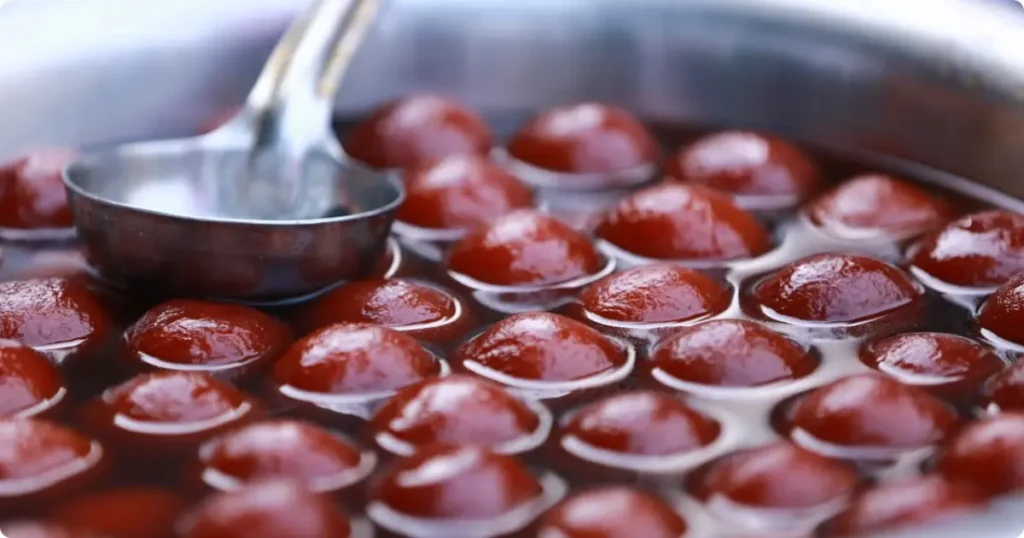
Afrikaans koeksisters are plaited, deep-fried dough immediately plunged into ice-cold syrup. They’re crunchy on the outside, saturated with sweetness inside, and sticky in the best way. Cape Malay koesisters (note the slightly different spelling) are softer, rounder, spiced with cinnamon, cardamom, and aniseed, then rolled in desiccated coconut. Both appear at markets and bakeries. Both are excellent. They are not interchangeable in flavor, texture, or cultural origin.
Milk Tart (Melktert)
Melktert is a thin, creamy custard tart in a short pastry shell, dusted with cinnamon. It’s lighter than a British custard tart, less eggy than a Portuguese pastel de nata, and entirely its own thing.
- Find the best versions at Afrikaans farm stalls and Cape Town’s Bo-Kaap bakeries
- Choose the baked custard version over the fridge-set version for deeper flavor
- Eat it at room temperature — refrigeration dulls the flavor
It’s one of the oldest desserts in South African cooking, with roots in Cape Dutch farmhouse baking going back centuries.
Chakalaka The Relish That Goes With Everything
Chakalaka is a spiced vegetable relish — typically made with onions, tomatoes, carrots, beans, and peri-peri — served cold alongside braai meats, pap, and bread. It originated in the townships of Johannesburg, where workers improvised bold-flavored sides from basic ingredients.
Every family has a different recipe. It ranges from mild to aggressively spicy depending on who’s cooking. Chakalaka is never a main event — it’s the supporting role that makes every other dish better.
Regional Flavors Worth Knowing
| Region | Signature Dishes | Food Style | Don’t Miss |
|---|---|---|---|
| Cape Town | Bobotie, snoek, denningvleis, melktert | Cape Malay + modern fine dining + seafood | Bo-Kaap neighborhood restaurants |
| Cape Winelands (Franschhoek / Stellenbosch) | Slow-roasted lamb, farm cheeses, potjiekos | Afrikaans farm cooking + wine pairing | Farm-to-table restaurants on wine estates |
| Durban (KwaZulu-Natal) | Bunny chow, roti wraps, biryani, lamb curry | Indian South African — bold, spicy | Dedicated curry shops, not tourist cafés |
| Johannesburg | Chakalaka, pap, township braai, boerewors rolls | Urban township cooking + multicultural mix | Soweto food tours for authentic experience |
| Karoo | Karoo lamb, springbok, biltong, bredie | Afrikaans rural — slow, hearty, game-focused | Farm stalls along the N1 highway |
| Limpopo / Safari Regions | Ostrich, kudu steak, crocodile, mopane worms | Game meat + indigenous ingredients | Safari lodge dinners — ask about daily specials |
South Africa isn’t one food culture it’s several, operating in parallel across different geographies.
- Eat seafood in Cape Town, not the interior — proximity to two oceans changes everything
- Try Durban curry in Durban, not Cape Town — the spice profile is KwaZulu-Natal specific
- Order game meat in Limpopo or the Karoo, where it’s hunted and prepared locally
- Find Indian South African food along the KwaZulu-Natal coast, not inland
Understanding the regional map prevents ordering the wrong dish in the wrong city.
Cape Town’s Food Scene
Cape Town operates at the intersection of Cape Malay tradition, modern fine dining, and some of the best seafood in the Southern Hemisphere. Snoek a firm, oily local fish is grilled at beachside spots and served with apricot jam. The Bo-Kaap neighborhood is the center of Cape Malay cooking, where bobotie, denningvleis (tamarind lamb), and spiced lentils appear on family restaurant menus that haven’t changed in decades.
The Cape Winelands Stellenbosch, Franschhoek add another layer. Farm-to-table restaurants here pair Afrikaans cooking traditions with world-class local wine. Dining in Franschhoek on a winter weekend, with a plate of slow-roasted lamb and a glass of local Chenin Blanc, is one of the genuinely great food experiences in the Southern Hemisphere.
Durban’s Indian Influence
Durban has the largest Indian population of any city outside India. The food reflects this completely.
- Order bunny chow from a dedicated curry shop, not a tourist café
- Try roti wraps filled with lamb or chicken curry — made fresh to order
- Find biryani at Friday lunch spots across the city
- Seek out Durban’s vegetarian curry culture — it’s as developed as the meat versions
- Note that Durban curry is spicier and uses different spice blends than Cape Malay cooking
The Indian South African food tradition is four generations deep here. It’s not fusion — it’s its own evolved cuisine.
Game Meat in the Bush
Across the Karoo and in Limpopo, game meat is standard fare at safari lodges and farm restaurants.
- Try springbok — lean, tender, with a mild gamey note similar to venison
- Order kudu steaks medium-rare; they toughen quickly when overcooked
- Find ostrich at almost every restaurant in the country; it eats like lean beef
- Avoid crocodile unless you’re curious — it’s more novelty than necessity
- Ask about the sourcing — ethical game farms are common and worth supporting
Game meat isn’t a gimmick in South Africa. It’s a genuine culinary tradition with deep roots in both indigenous and settler cooking.
The Verdict
South African food is one of the most genuinely rewarding cuisine discoveries a traveler can make. Our research consistently points to the same conclusion: visitors who go beyond bobotie and braai who try potjiekos at a rural guesthouse, biltong from a proper shop, or bunny chow in Durban leave with a completely different understanding of what this country is.
The food here isn’t exotic for the sake of it. Every dish carries history, community, and identity. Start with the essentials. Then follow the locals. The best meal you’ll eat in South Africa won’t be in a hotel restaurant it’ll be around a fire, passed from a cast-iron pot, with people who’ve been cooking it for generations.
