

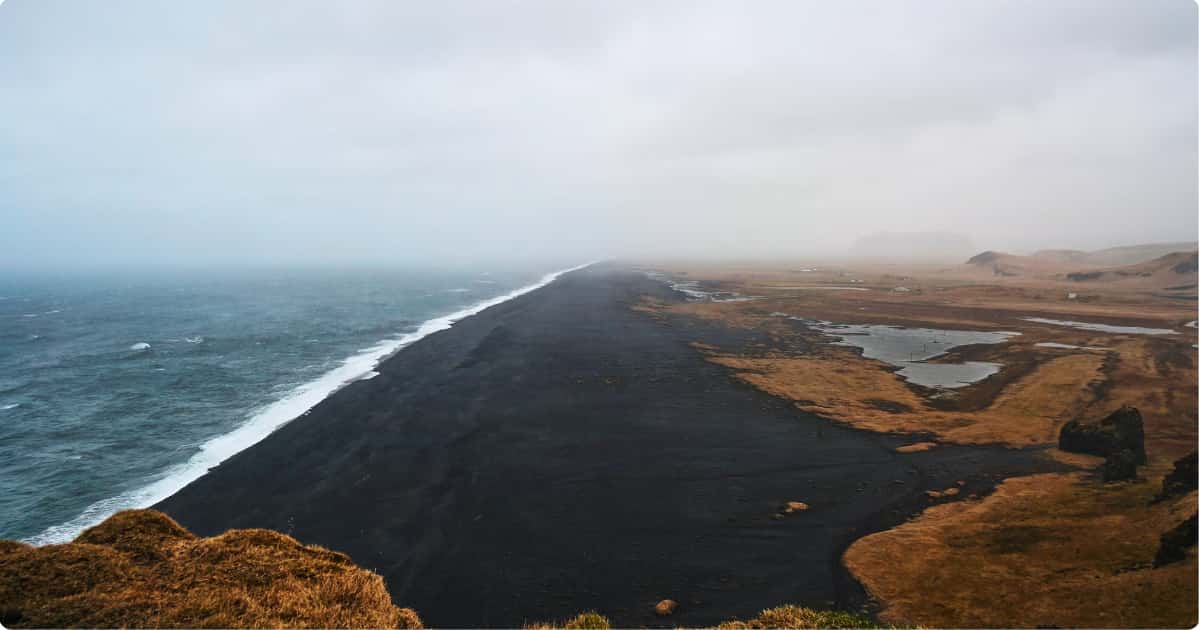
Iceland’s weather doesn’t follow a schedule. Sun, wind, rain, and hail can arrive within the same hour and your clothing choices will determine whether that feels like adventure or misery.
The problem isn’t that travelers pack too little. It’s that they pack for one type of weather. A single forecast, a single season, a single activity. Iceland demands a system that handles all of them without filling an extra bag.
This guide breaks down exactly what to wear in Iceland by season, by month, and by how long you’re going so you can pack once, pack right, and spend your energy on the trip itself.
QUICK ANSWER:
Iceland requires a three-layer system in every season: moisture-wicking base, insulating mid-layer, fully waterproof windproof shell. Summer needs lighter versions. Winter adds thermals and insulated boots. Always pack swimwear. Cotton is the one fabric Iceland will punish you for bringing.
The Iceland Layering System (Works for Every Season)
Every successful Iceland packing strategy starts with one principle: the three-layer system.
- Choose merino wool or synthetic fabrics — never cotton, which stays wet and cold
- Pack a moisture-wicking base layer as your foundation in every season
- Add a fleece, down, or wool mid-layer for insulation between base and shell
- Use a fully waterproof and windproof outer shell — not water-resistant, fully waterproof
- Avoid umbrellas entirely — Iceland’s wind makes them useless within minutes
- Bring quick-dry fabrics so one wash at your accommodation refreshes your kit overnight
The beauty of this system is its flexibility. In July, your shell and a light merino tee may be all you need. In January, all three layers run simultaneously with accessories added on top. Mastering this system means you can pack lighter, stay comfortable across wildly different days, and never get caught unprepared when the weather shifts in under an hour which it frequently does.
What to Wear in Iceland in Summer (June, July & August)
| Item | June | July | August | Notes |
|---|---|---|---|---|
| Base Layer | Merino wool long-sleeve | Merino short or long-sleeve | Merino long-sleeve | No cotton |
| Mid-Layer | Fleece or light down jacket | Light fleece or puffer | Fleece or insulated layer | Packable preferred |
| Outer Layer | Waterproof windproof shell | Waterproof windproof shell | Waterproof windproof shell | Not water-resistant — fully waterproof |
| Bottoms | Waterproof hiking pants | Fleece leggings + rain pants | Waterproof hiking pants | Avoid denim outdoors |
| Footwear | Waterproof hiking boots | Waterproof hiking boots | Waterproof hiking boots | Wool socks essential |
| Accessories | Gloves, beanie, sunscreen | Gloves, beanie | Gloves, beanie, scarf | Midnight sun: add sunscreen in June |
| Extras | Swimwear, insect repellent | Swimwear | Swimwear | Geothermal pools open year-round |
| Avg. Temp | 9–12°C (48–54°F) | 9–13°C (48–55°F) | 10°C (50°F) | Wind chill lowers perceived temp |
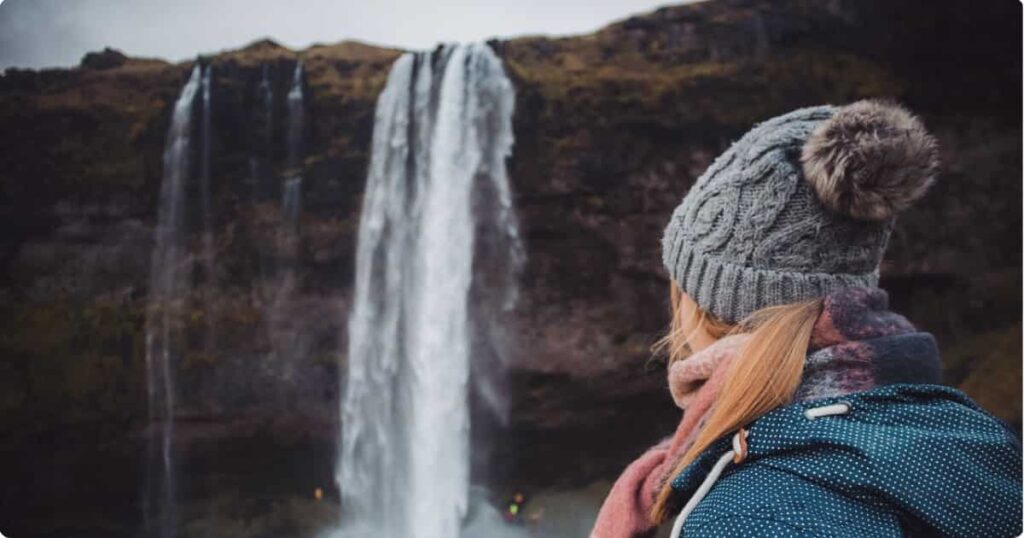
Summer is Iceland’s most visited season, but it’s not the warm holiday many travelers expect.
- Expect temperatures between 9–13°C (48–55°F) in July, Iceland’s warmest month
- Pack t-shirts and light long-sleeves — you’ll wear them, but rarely alone
- Bring fleece-lined leggings as a versatile base that works hiking and in Reykjavik restaurants
- Include waterproof pants — waterfall spray and sudden rain will soak regular trousers fast
- Add gloves and a lightweight beanie — cooler evenings and boat tours make them necessary
- Pack swimwear for geothermal pools, which are a year-round staple of any Iceland trip
Summer hiking in the Icelandic Highlands and glacier walks bring additional wind exposure, so layers that pack small but deploy fast are your best asset.
Summer Base Layers
Merino wool tops are the single most-used item in every experienced traveler’s Iceland summer kit.
- Choose merino over synthetic if budget allows — it manages odor across multi-day use
- Pack 2–3 short-sleeve merino tops and 1–2 long-sleeve versions
- Add one lightweight thermal top for colder evenings and boat excursions
- Skip cotton t-shirts as your only layer — they hold moisture and amplify cold wind
Two or three versatile tops cover a week in Iceland when paired with quick-dry fabrics you can wash and re-wear.
Summer Outerwear
The outer layer is the single most important item you’ll pack for Iceland in any season.
- Choose a jacket that is both waterproof AND windproof — not just one or the other
- Skip thin rain shells and ponchos — Iceland’s wind makes ponchos dangerous and ineffective
- Consider a 3-in-1 jacket for flexibility across colder mornings and warmer midday spells
- Pack a packable down or synthetic puffer as your mid-layer backup for extra warmth
- Bring waterproof trousers that pack into their own pouch — you’ll pull them out at waterfalls
A proper waterproof jacket is the item travelers most regret skimping on. Budget versions often fail in sustained Icelandic wind and rain within a day or two.
Footwear for Summer in Iceland
Footwear decisions separate comfortable Iceland travelers from wet, miserable ones.
- Choose waterproof hiking boots with ankle support as your primary footwear
- Pack merino or wool hiking socks — they insulate even when damp
- Add a lightweight pair of sneakers or slip-ons for Reykjavik city walking
- Skip sandals as a primary shoe — they offer no protection on lava fields or gravel paths
- Apply fresh waterproofing spray to boots before departure even if they claim waterproof
Travelers visiting Reykjadalur Hot Springs or the Blue Lagoon Iceland will want footwear that handles wet, slippery ground confidently on arrival.
What to Wear in Iceland in Winter (November Through March)
| Item | November | December–January | February–March | Notes |
|---|---|---|---|---|
| Base Layer | Heavyweight merino thermal | Heavyweight merino thermal | Heavyweight merino thermal | Pack 2–3 sets minimum |
| Mid-Layer | Wool sweater or fleece | Wool sweater + fleece jacket | Wool sweater or fleece | Lopapeysa works well here |
| Outer Layer | Insulated waterproof parka | High-loft insulated parka | Insulated waterproof parka | 600-fill down or equivalent synthetic |
| Bottoms | Thermal long johns + waterproof trousers | Thermal long johns + snow pants | Thermal long johns + waterproof trousers | Snow pants for northern lights viewing |
| Footwear | Insulated waterproof boots | Insulated waterproof boots + ice cleats | Insulated waterproof boots + ice cleats | Rated to at least -15°C (-5°F) |
| Accessories | Gloves, beanie, scarf | Insulated gloves, balaclava, beanie, neck gaiter | Insulated gloves, beanie, neck gaiter | Balaclava essential Dec–Jan |
| Extras | Swimwear, hand warmers | Swimwear, hand warmers | Swimwear, hand warmers | Hand warmers critical for northern lights |
| Avg. Temp | 1–4°C (34–39°F) | -1–2°C (30–36°F) | 0–3°C (32–37°F) | Wind chill can push to -15°C |
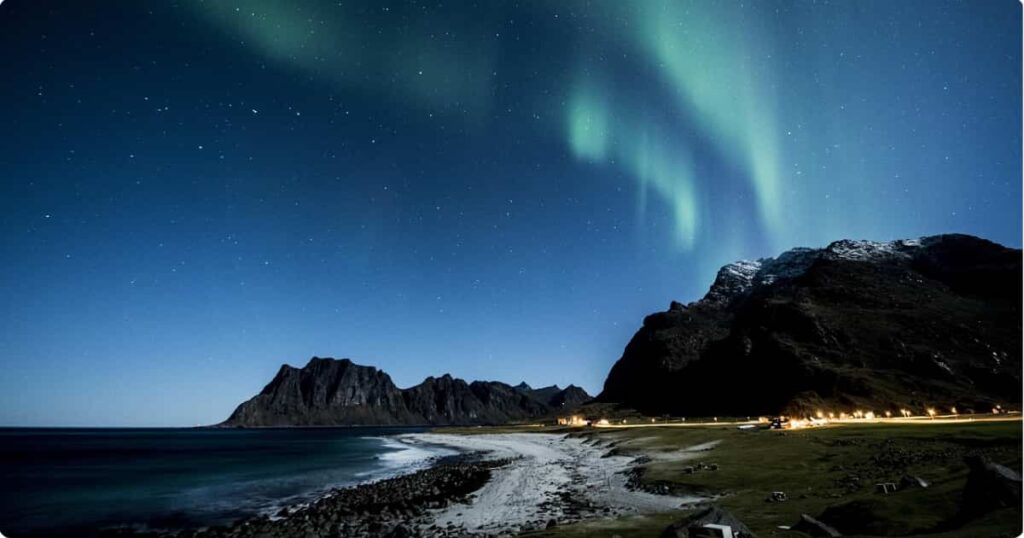
Winter in Iceland is genuinely cold, dark, and demanding and entirely worth it for the northern lights.
- Expect temperatures between -1°C and 4°C (30–39°F), with wind chill making it feel much colder
- Pack thermal base layers rated for sub-zero conditions as your foundation
- Add a heavyweight fleece or wool sweater as your mid-layer
- Include a high-loft insulated waterproof outer jacket — your summer shell will not be enough
- Bring waterproof snow pants for outdoor activities and northern lights watching
- Pack hand warmers for extended time outdoors — standing still at -5°C with wind is brutal
Winter packing requires more volume than summer. Plan for bulkier luggage or wear your heaviest items on the plane.
Winter Base Layers & Insulation
Thermal base layers in winter are not optional they are the difference between enjoying Iceland and enduring it.
- Choose heavyweight merino wool thermals or synthetic thermal long johns
- Pack 2–3 sets so you always have a dry, warm layer available
- Add a wool or cashmere sweater as your core mid-layer for warmth between base and shell
- Include a fleece jacket as a secondary mid-layer on the coldest days
- Consider an Icelandic lopapeysa (traditional wool sweater) — genuinely warm and available locally
The lopapeysa is Iceland’s most practical souvenir. It’s not a novelty locals wear them daily through winter.
Winter Outerwear
A fully insulated, waterproof, windproof parka-style jacket is non-negotiable for Iceland in winter.
- Choose a jacket with at least 600-fill-power down or equivalent synthetic insulation
- Add a neck gaiter or balaclava — exposed skin in Icelandic wind cuts fast
- Pack insulated waterproof gloves, not thin liners — your hands will thank you
- Bring a warm beanie or fleece-lined hat that covers your ears completely
- Include a wool scarf for layering around your neck and lower face during northern lights viewing
INSIDER SECRET: Northern lights watching means standing completely still outdoors for 30–90 minutes in sub-zero temperatures. Pack one extra layer specifically for this wear it only then, so it stays dry and warm all night.
Footwear for Winter in Iceland
Icy pavements, snow-covered trails, and freezing slush make footwear the most critical winter decision.
- Choose waterproof insulated boots with a temperature rating of at least -15°C (-5°F)
- Add ice cleats or crampons — pavements in Reykjavik ice over regularly from November onward
- Pack wool boot liners for additional insulation inside your boots
- Avoid fashion boots with thin soles — they offer zero traction on black ice
- Bring a spare pair of waterproof footwear for days when primary boots need to dry overnight
Ice cleats are available to purchase locally, but bringing lightweight packable ones saves time and money.
Shoulder Season: What to Wear in April, May, September & October
Iceland’s shoulder months are the most weather-unpredictable of the year and often the most rewarding.
- Expect temperatures ranging 3–10°C (37–50°F) with rapid swings throughout a single day
- Pack the full three-layer system and treat every day as potentially wet and windy
- Add mid-weight thermal base layers — lighter than winter, heavier than summer
- Include waterproof gloves and a hat — both are frequently needed even in May and September
- Bring sunscreen for May and early June — the midnight sun delivers genuine UV exposure
- Consider insect repellent for Lake Mývatn visits in May and June midges are active near water
September and October travelers should weight their packing toward winter rather than summer. Temperatures drop sharply after sunset, and highland roads begin closing from late September.
What to Wear in Reykjavik at Night
Reykjavik’s nightlife and restaurant scene is genuinely cosmopolitan and travelers often pack wrong for it.
- Choose smart casual over formal — Reykjavik’s dress code is relaxed but stylish
- Pack one pair of non-hiking trousers or jeans for evenings out
- Add a neat mid-layer like a merino jumper or fitted fleece that reads as casual-smart
- Keep your waterproof shell accessible — you’ll walk between venues in whatever weather exists
- Avoid high heels on Reykjavik’s cobblestones and occasional icy patches
- Skip formal suits or dresses unless attending a specific event — they’re unnecessary
Most travelers find one dedicated evening outfit covers the entire trip. Reykjavik is a city that rewards practicality over fashion.
What Not to Pack for Iceland
Some items actively make Iceland travel harder. Leave these behind.
- Skip cotton as your base or mid-layer — it absorbs moisture and accelerates cold
- Leave denim jeans at home for outdoor days — they soak through and take 24+ hours to dry
- Avoid fashion trainers as your only footwear — they fail on uneven volcanic terrain
- Drop the umbrella — sustained Icelandic wind will invert and destroy it within minutes
- Skip heavy formal wear — it takes up packing space you need for functional gear
- Avoid non-waterproof outer layers — water-resistant is not waterproof in Iceland conditions
The single biggest packing mistake travelers make is treating Iceland like a standard European city break. It requires outdoor expedition thinking with city-trip flexibility built in.
Iceland Packing List by Trip Length
The length of your trip changes how you pack not what you pack.
- 3–4 days: Pack 2 base layers, 1 mid-layer, 1 outer shell, and 2 bottom options — wash once
- 5–7 days: Add 1 extra base layer and 1 extra bottom — most hotels offer laundry for moderate fees
- 8–14 days: Focus on quick-dry fabrics only — pack light and wash every 2–3 days
- Ring Road trips: Pack a day bag or backpack for daily essentials separate from main luggage
- All trips: Swimwear counts as essential kit — pack it regardless of trip length or season
Travelers doing the Ring Road should note that most accommodations provide laundry access, making light packing highly viable even for two-week trips.
The Verdict
Iceland punishes under-packers and rewards those who think in layers. Our research consistently shows the same pattern: travelers who treat Iceland like a standard European destination end up cold, wet, and spending money on emergency gear in Reykjavik shops.
The three-layer system moisture-wicking base, insulating mid-layer, waterproof windproof shell is non-negotiable in every season. Summer needs lighter versions of each. Winter demands the warmest versions you own. Shoulder seasons need both ready to deploy.
Get your outer layer right, protect your feet, and always pack swimwear. Do those three things and Iceland will be everything it promises.
