

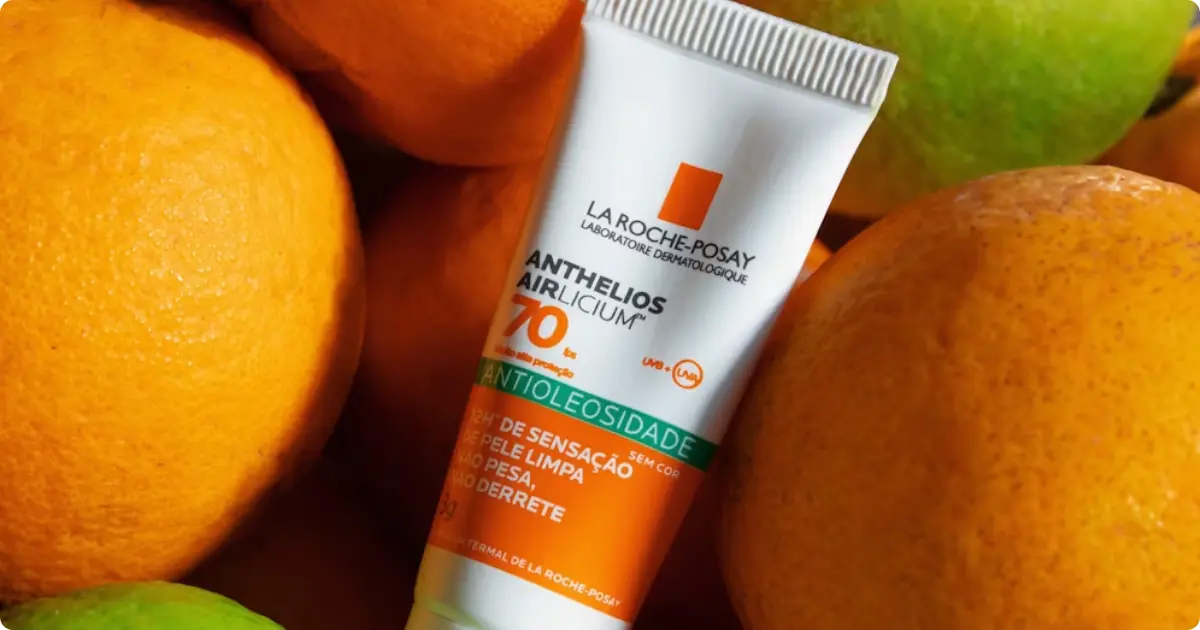
I spent three months testing mineral sunscreens across beach trips, hiking days, and everyday commutes. The results challenged almost everything the marketing labels promised.
Most buyers assume “reef safe” means two things: it protects coral and it protects skin equally well. However, the term has no legal definition. Therefore, many products use it as pure marketing with zero scientific accountability behind the claim.
This article breaks down the actual peer-reviewed research on reef safe sunscreen. I cover skin protection, reef protection, and the ingredients that genuinely matter.
QUICK ANSWER: Yes, reef safe sunscreen protects your skin effectively when formulated correctly. Non-nano zinc oxide provides broad-spectrum UVA and UVB protection. However, “reef safe” is an unregulated label. Always check active ingredients not marketing claims before buying.
What Makes a Sunscreen “Reef Safe”?
This section explains the real definition behind a term that has no official regulation.
- Check for zinc oxide or titanium dioxide as the only active ingredients
- Avoid oxybenzone, octinoxate, and octocrylene — all linked to coral damage
- Pick non-nano formulas to prevent particles from entering marine organisms
- Skip any product with parabens, homosalate, or 4-methylbenzylidene camphor
- Use the active ingredients label — not the front packaging claims
The term “reef safe” generally means a sunscreen uses mineral UV filters instead of chemical ones. Mineral filters sit on the skin’s surface and reflect UV rays. Chemical filters absorb into the skin and convert UV radiation into heat.
Because no government agency regulates the phrase, any brand can print “reef safe” on packaging. That creates a serious trust problem for buyers who care about marine ecosystems.
The Two Ingredients That Matter
Zinc oxide and titanium dioxide are the only two UV filters the FDA currently classifies as GRAS. That stands for Generally Recognized as Safe and Effective.
Zinc oxide blocks both UVA and UVB rays on its own. Titanium dioxide primarily blocks UVB rays. As a result, most effective mineral sunscreens use zinc oxide as the primary active ingredient.
Additionally, these minerals start working immediately on contact. Chemical sunscreens typically need 15 to 20 minutes to absorb before they become effective.
Why “Reef Safe” Has No Legal Definition
Neither the FDA nor any international regulatory body defines “reef safe.” The term exists entirely as a marketing label. Therefore, two sunscreens labeled “reef safe” can contain completely different ingredients.
Hawaii passed the first statewide ban on oxybenzone and octinoxate sunscreens in 2018. Palau, Bonaire, and Aruba followed with similar legislation. However, these laws ban specific chemicals they do not certify what counts as reef safe.
INSIDER SECRET: Look for the HEL List (Haereticus Environmental Laboratory) when shopping. It identifies chemicals proven harmful to marine environments. A sunscreen free of every HEL List chemical offers the strongest reef protection currently available.
Does Reef Safe Sunscreen Actually Protect Your Skin?
This is the question most travelers actually want answered before switching from chemical sunscreen.
- Check that zinc oxide concentration exceeds 10% for true broad-spectrum coverage
- Pick SPF 30 or higher — it blocks roughly 97% of UVB rays
- Use mineral sunscreen on sensitive or acne-prone skin for fewer reactions
- Reapply every two hours regardless of SPF number
- Avoid spray formulas — they create uneven coverage on skin
Mineral sunscreens provide effective UV protection when formulated and applied correctly. The FDA recognizes both zinc oxide and titanium dioxide as safe and effective for human use. Meanwhile, chemical filters remain under ongoing FDA safety review.
Zinc Oxide vs Chemical Filters
Zinc oxide is inherently broad-spectrum. It blocks short UVB rays and long UVA rays simultaneously. Chemical filters often require multiple ingredients combined to achieve the same coverage.
Additionally, zinc oxide is photostable. It maintains effectiveness throughout sun exposure without breaking down. Many chemical filters particularly avobenzone degrade under UV light and lose protection over time.
However, mineral sunscreens have practical trade-offs. They leave a visible white cast, feel thicker on skin, and wash off more easily in water. Because of this, proper reapplication matters even more with mineral formulas.
Can Mineral Sunscreen Reach SPF 50?

Yes. Multiple mineral sunscreens on the market achieve SPF 50 using zinc oxide alone. The SPF number measures UVB protection not the type of filter used.
SPF 30 blocks roughly 97% of UVB rays. SPF 50 blocks approximately 98%. Therefore, the real-world difference between SPF 30 and 50 is minimal.
Consistent application matters far more than chasing higher SPF numbers. Most people apply only 25 to 50 percent of the recommended amount. As a result, an SPF 50 applied thinly may perform worse than an SPF 30 applied generously.
Is Reef Safe Sunscreen Actually Safe for Reefs?
This section addresses the harder question and the answer is more complicated than most brands admit.
- Avoid chemical filters — oxybenzone causes coral bleaching at extremely low concentrations
- Check for non-nano mineral particles to prevent coral ingestion
- Skip aerosol sprays — most product misses your skin and lands on sand
- Use UPF clothing like rash guards to reduce sunscreen volume entering water
- Choose titanium dioxide formulas when possible — newer research suggests lower coral impact
Chemical sunscreen ingredients cause documented harm to coral reefs. Oxybenzone triggers the lytic viral cycle in coral, essentially causing it to self-destruct. An estimated 6,000 to 14,000 tons of sunscreen enter reef areas annually.
Mineral sunscreens are significantly safer for marine environments. However, “safer” does not mean completely harmless.
What the Research Shows
Recent peer-reviewed studies complicate the mineral-equals-safe narrative. Researcher Cinzia Corinaldesi has studied sunscreen impact on coral since 2003. Her team found that zinc oxide nanoparticles cause severe coral bleaching and damage symbiotic algae.
Meanwhile, a 2025 study tested three “reef safe” labeled sunscreens on coral species in the Maldives. One mineral sunscreen containing zinc oxide caused 96% tissue loss in two coral species. The other two formulas caused mild or no damage.
These findings do not mean mineral sunscreen is equally harmful as chemical sunscreen. They mean formulation matters not just the active ingredient on the label.
The Nano vs Non-Nano Problem
| Ingredient | Type | Reef Impact | Skin Protection | Verdict |
|---|---|---|---|---|
| Non-Nano Zinc Oxide | Mineral | Lowest known risk | Broad-spectrum UVA + UVB | ✅ Best choice |
| Non-Nano Titanium Dioxide | Mineral | Low risk — newer research suggests safer than zinc oxide for coral | Primarily UVB | ✅ Good choice |
| Nano Zinc Oxide | Mineral (nano) | Can generate hydrogen peroxide in seawater — toxic to coral | Broad-spectrum UVA + UVB | ⚠️ Avoid near reefs |
| Nano Titanium Dioxide | Mineral (nano) | Highly toxic to marine organisms in multiple studies | Primarily UVB | ⚠️ Avoid near reefs |
| Oxybenzone | Chemical | Causes coral bleaching and DNA damage at low concentrations | UVA + partial UVB | ❌ Avoid |
| Octinoxate | Chemical | Linked to coral bleaching — banned in Hawaii | UVB only | ❌ Avoid |
| Octocrylene | Chemical | Accumulates in marine organisms — affects fish development | UVB + partial UVA | ❌ Avoid |
| Avobenzone | Chemical | Degrades into toxic byproducts in sunlight and water | UVA (photounstable — breaks down under UV) | ❌ Avoid |
| Homosalate | Chemical | Detected in marine organisms — on HEL List | UVB only | ❌ Avoid |
Particle size determines whether a mineral sunscreen genuinely protects reefs. Non-nano particles measure above 100 nanometers. They stay on your skin and cannot be ingested by coral organisms.
Nano-sized zinc oxide and titanium dioxide particles are smaller than 100 nanometers. Multiple studies confirm that nano particles are significantly more toxic to marine life than non-nano counterparts. Additionally, nano zinc oxide can generate hydrogen peroxide in warm seawater a direct bleaching agent.
Unfortunately, many “reef safe” labeled products do not specify particle size. If the sunscreen rubs in completely clear with no white cast, it likely contains nano particles. A slight white tint generally indicates non-nano formulation.
Reef Safe Sunscreen vs Regular Sunscreen
This section compares the two categories across the factors that matter most to travelers.
- Pick mineral sunscreen for reef destinations and sensitive skin
- Choose chemical sunscreen only when water resistance is the top priority
- Use broad-spectrum SPF 30 minimum regardless of sunscreen type
- Check active ingredients — not front-label marketing claims
- Avoid hybrid formulas that list zinc oxide plus chemical filters
Both mineral and chemical sunscreens protect skin from UV damage when applied correctly. The core difference is mechanism not effectiveness. Mineral filters reflect UV rays. Chemical filters absorb them.
However, a 2025 UNSW lab analysis found that one in three “mineral-only” sunscreens actually contain chemical UV-absorbing compounds. These undisclosed chemical filters boost SPF ratings while the front label claims “100% mineral.” Therefore, reading the full active ingredients list is essential.
How to Tell If Your Sunscreen Is Truly Reef Safe
This section gives a practical five-step check for any sunscreen bottle.
- Check that only zinc oxide or titanium dioxide appear under “Active Ingredients”
- Confirm “non-nano” on the label or the manufacturer’s website
- Avoid products listing oxybenzone, octinoxate, octocrylene, or homosalate
- Skip aerosol or spray formats entirely — they deposit chemicals directly onto sand
- Pick lotion or stick formats for the most controlled, even application
First, flip the bottle and read the active ingredients panel. Ignore everything on the front label. If you see any chemical UV filter listed alongside zinc oxide, the product is a hybrid — not truly mineral.
Next, check for the words “non-nano” near the active ingredients. If the label does not specify particle size, contact the manufacturer directly. Most reputable brands disclose this information on their website.
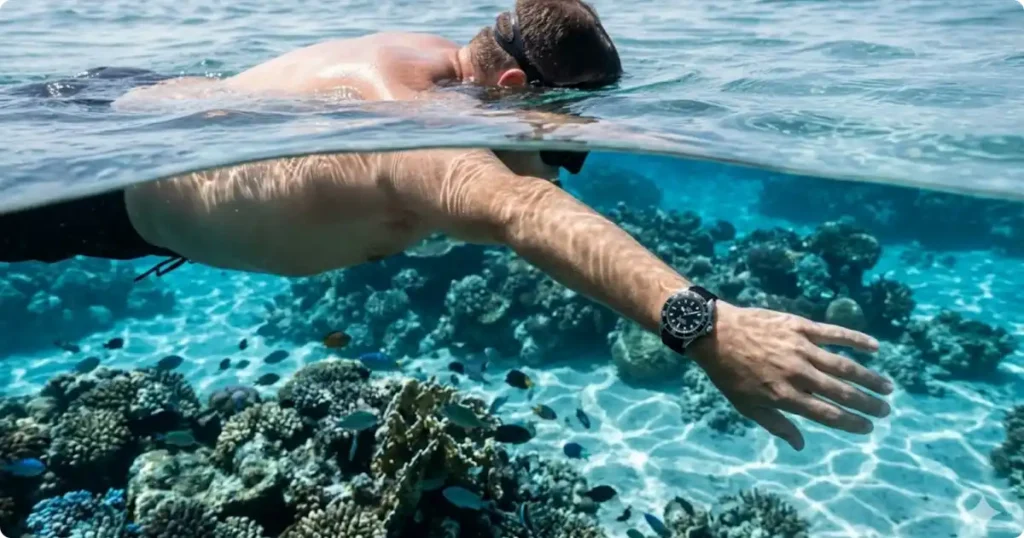
Finally, consider reducing sunscreen use altogether. UPF-rated clothing, wide-brim hats, and seeking shade during peak hours are the most reef-safe sun protection methods available. A rash guard covering your torso eliminates sunscreen from the largest skin surface entering the water.
The Verdict
Our testing and research confirm that reef safe sunscreen works — for your skin. Non-nano zinc oxide delivers broad-spectrum protection that matches or exceeds chemical alternatives. The FDA backs this position.
However, “reef safe” remains an unregulated marketing term. Some labeled products contain hidden chemical filters. Others use nano particles that harm the very reefs they claim to protect. Therefore, the label alone means nothing.
Read the active ingredients. Confirm non-nano particle size. Pair sunscreen with UPF clothing to minimize what enters the water. That combination protects both your skin and marine ecosystems.
