

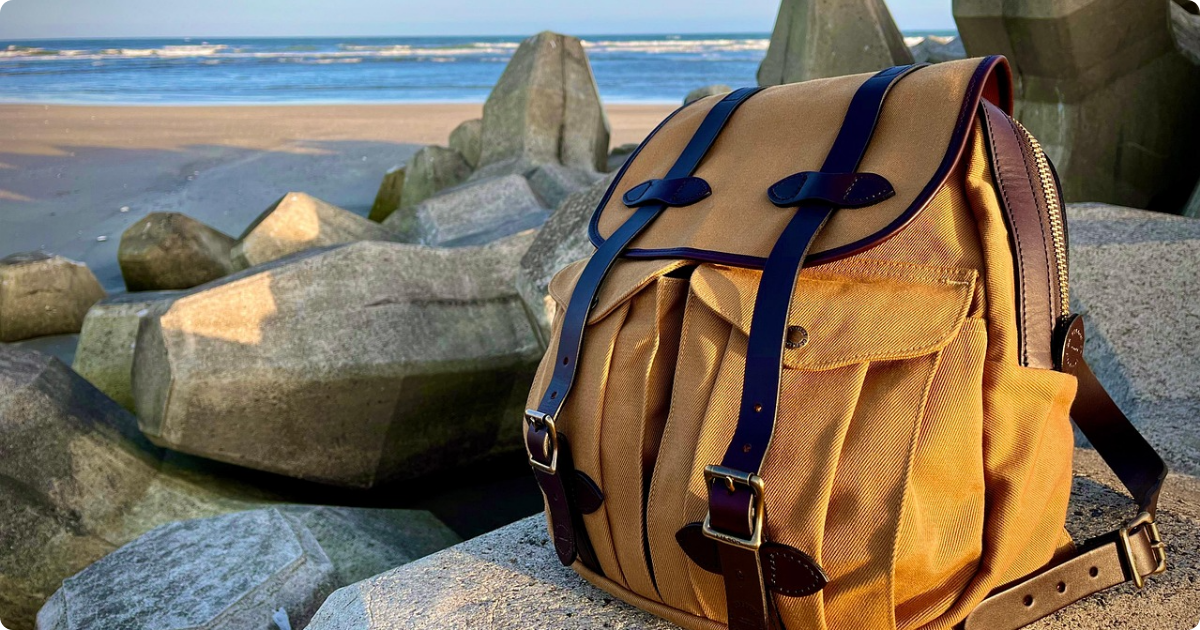
A rental car key destroyed inside a “waterproof” pouch cost more than every bag in our entire test kit. That one failure happened on a shore snorkeling trip in Curaçao. It was entirely preventable.
The problem is not finding a waterproof bag. Every beach shop sells one. The problem is that phone pouches, belt bags, roll-top dry bags, and mesh gear carriers each solve a different problem. Grabbing one and hoping it covers everything is exactly how valuables get ruined.
This guide covers every waterproof bag type a snorkeling traveler actually needs. We tested each in salt water, ranked them by packability, and matched them to the exact situation where they hold up.
QUICK ANSWER:
Snorkeling travelers need two to three bags, not one. Wear a waterproof phone pouch in the water. Leave a roll-top dry bag onshore for electronics and clothes. Use a mesh bag to carry fins and masks. Buy nothing rated below IPX7.
Why Snorkeling Travelers Need More Than One Bag
No single waterproof bag handles every situation a snorkeling traveler faces. Here is why a bag system works better than a single purchase.
- Use a phone pouch to carry valuables while snorkeling from shore
- Pick a roll-top dry bag to protect electronics on the beach
- Choose a mesh gear bag to haul fins, masks, and snorkel sets
- Skip “all-in-one” bags that compromise on every function
- Check IP ratings before trusting any bag near salt water
- Avoid leaving car keys, phones, or wallets unattended on sand
Shore snorkeling creates the biggest protection gap. You walk from your car, leave belongings on a beach, and enter the water. A single bag cannot stay on your body in the water and protect a full gear kit onshore at the same time.
The solution is simple. Carry valuables on your body in a submersible pouch or belt bag. Leave non-essentials locked in a roll-top dry bag onshore. Then transport everything in a mesh gear bag that drains and dries fast between trips.
Best Waterproof Phone Pouches for Snorkeling
| Feature | Roll-and-Clip Pouch | Zip-Top Pouch | Dual-Compartment Pouch |
|---|---|---|---|
| Closure Type | Roll-top with plastic clip | Press-seal zip track | Roll-top + secondary zip pouch |
| Typical IP Rating | IPX8 | IPX7 | IPX8 |
| Touch Screen Use | Yes — through TPU window | Yes — through PVC window | Yes — primary pouch only |
| Holds Keys/Cards | Limited — single compartment | Limited — single compartment | Yes — second pouch for extras |
| Best For | Deep snorkeling, free diving | Pool, calm beach days | Shore snorkeling with car keys |
| Typical Price | $12–$25 | $8–$15 | $20–$35 |
| Durability in Salt Water | High — TPU resists UV and salt | Moderate — PVC degrades faster | High — TPU construction standard |
A waterproof phone pouch keeps your phone, hotel key, cash, and ID dry while you snorkel. This is the most essential waterproof item for shore snorkeling.
- Pick a pouch rated IPX8 for continuous submersion below one metre
- Use a pouch with a touch-sensitive window for underwater photos
- Check for a triple-seal or zip-lock closure before buying
- Avoid single-snap pouches that rely on pressure alone
- Choose a lanyard attachment that sits at waist level, not neck level
- Skip pouches without a float feature unless you never free-dive
Most waterproof phone pouches cost between $10 and $30. However, the cheapest models often use thin PVC with heat-sealed seams. These fail faster in salt water and direct sun. Look for TPU construction instead. TPU resists UV degradation and stays flexible after months of use.
INSIDER SECRET: Before every single use, close the pouch with a dry paper towel inside. Wait five minutes. If the towel shows any moisture, the seal is compromised. This test takes seconds and prevents catastrophic failures.
What Makes a Pouch Truly Waterproof
The closure system matters more than the material. A roll-and-clip closure creates a mechanical seal that improves under water pressure. A simple zip-top relies entirely on the track staying aligned.
- Pick roll-and-clip closures for snorkeling depths beyond one metre
- Avoid zip-top-only closures for any submersion activity
- Check seals for hair or sand before every single entry into water
Additionally, look for welded seams rather than stitched seams. Needle holes wick water over time. Welded construction eliminates this failure point entirely.
Best Waterproof Belt Bags and Fanny Packs
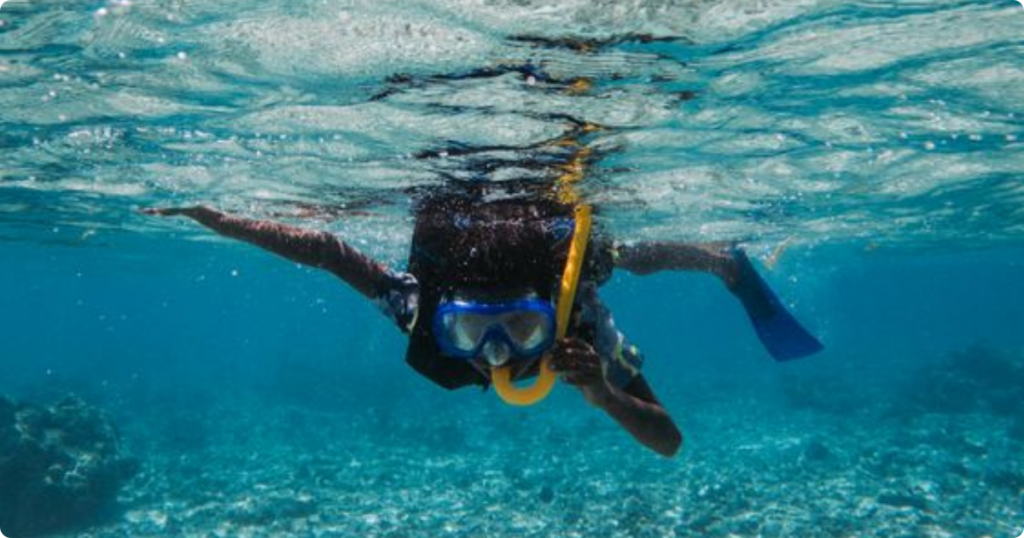
A waterproof belt bag carries more than a phone pouch. It holds keys, a small wallet, sunscreen, and a compact underwater camera without bouncing around your neck.
- Use a belt bag rated IPX7 or higher for splash and brief submersion
- Pick one with an adjustable strap that fits over a rash guard
- Choose 1–2 litre capacity for shore snorkeling essentials
- Skip anything larger than 3 litres — it creates drag in the water
- Avoid belt bags with external zippers that lack rubber gaskets
- Check that the buckle releases easily with one hand
A waterproof fanny pack sits against your lower back while you snorkel. This position keeps it out of your sightline and reduces drag. Meanwhile, a neck pouch swings forward every time you look down at a reef. That constant movement blocks your view and annoys you within minutes.
Belt Bag vs Neck Pouch on the Water
Neck pouches dominate Amazon search results. However, experienced snorkellers overwhelmingly prefer waist-mounted options. Here is why.
- Pick a belt bag to keep your field of vision completely clear
- Avoid neck pouches that float upward and block your mask
- Use a belt bag if you carry an underwater camera alongside your phone
A belt bag also distributes weight better across your hips. Neck pouches concentrate all weight on one point. After an hour of snorkeling, that pressure causes real discomfort.
Best Dry Bags for Snorkeling Travel
A roll-top dry bag protects larger items you leave onshore. Towels, a change of clothes, electronics, and sunscreen all stay dry inside a sealed bag on the beach.
- Use a 10–15 litre dry bag for solo beach days
- Pick a 20–30 litre dry bag for couples or family snorkeling trips
- Choose 210D or heavier nylon with TPU or PVC coating
- Skip ultra-light silnylon bags for beach use — they puncture easily
- Avoid dark colours that absorb heat and damage electronics inside
- Check for welded seams and a reinforced base on every bag
Sea to Summit and Stahlsac both produce dry bags widely trusted in the dive and snorkel community. Roll-top designs from these brands consistently outperform cheaper alternatives in long-term salt water exposure.
For travel, packability matters as much as waterproofing. A dry bag should compress flat inside your luggage when empty. Rigid dry bags offer better protection but eat valuable suitcase space.
Roll-Top vs Zip-Seal Closures
Roll-top closures dominate the dry bag market for good reason. They create a stronger seal with each additional fold. Most quality bags require three folds minimum before clipping.
- Use roll-top closures for any bag storing electronics or documents
- Pick zip-seal closures only for quick-access items like snacks
- Avoid zip-seal bags for full submersion — tracks misalign under pressure
Roll-top bags also trap air when sealed. This trapped air makes the bag float if it falls into water. That buoyancy has saved countless phones and wallets from sinking.
Submersible Dry Bags for Deeper Protection
| Feature | Standard Roll-Top Dry Bag | Submersible Dry Bag | Waterproof Backpack |
|---|---|---|---|
| Typical IP Rating | IPX6–IPX7 | IPX8 | IPX6–IPX7 |
| Submersion Safe | Brief dunks only | Yes — rated depth varies | Brief dunks only |
| Best Use | Beach storage, boat trips | Carrying gear while snorkeling | Day hikes, airport transit |
| Typical Capacity | 5–30 litres | 5–20 litres | 20–40 litres |
| Packs Flat for Travel | Yes — compresses fully | Yes — compresses fully | No — rigid frame and straps |
| Floats When Sealed | Yes — with trapped air | Yes — with trapped air | Varies by model |
| Typical Price | $15–$40 | $25–$60 | $50–$120 |
| Typical Material | Nylon with PVC/TPU coating | Heavy-duty PVC or TPU | TPU-coated ripstop nylon |
Standard dry bags handle splashes and brief dunks. Submersible dry bags survive continuous underwater exposure at specific depths.
- Use submersible bags only if you carry the bag while snorkeling
- Pick IPX8-rated bags for protection beyond one metre depth
- Check the manufacturer’s rated depth and time limits before buying
- Avoid assuming all “waterproof” labels mean the same thing
Therefore, most snorkelers need a standard roll-top bag for the beach. A submersible bag only makes sense if you physically carry it in the water. For phone protection while swimming, a dedicated pouch outperforms a submersible dry bag every time.
Best Mesh Gear Bags for Snorkel Equipment
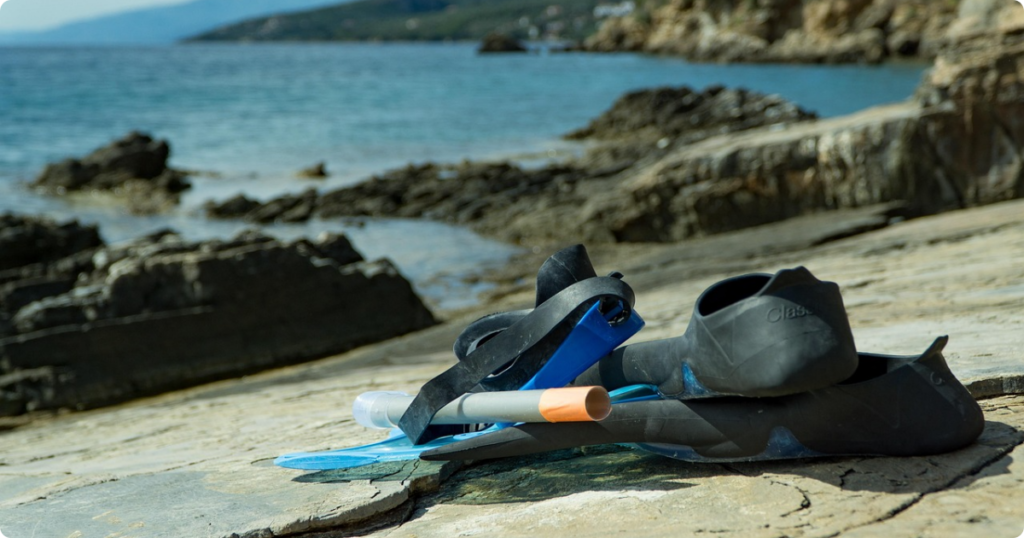
A mesh gear bag carries your fins, mask, snorkel, and accessories. Because mesh drains instantly, your wet gear dries during transport instead of growing mould in a sealed bag.
- Pick a mesh bag with padded shoulder straps for long beach walks
- Use 420-denier or heavier nylon mesh that resists snags
- Choose a bag tall enough to hold your fins without bending them
- Skip bags without a reinforced bottom — sand and coral shred thin bases
- Avoid fully sealed bags for wet gear — they breed bacteria fast
- Check that the bag compresses flat for airline travel
The Stahlsac BVI Mesh Backpack remains a popular choice among frequent snorkellers. Its single-strap design and tough mesh handle years of salt water exposure. However, measure your fin length first. Compact travel fins fit most bags. Full-length fins may need a taller option like the Stahlsac Panama.
How to Size a Gear Bag to Your Kit
Before choosing a bag, inventory what you actually carry. A typical snorkeling kit includes more items than most people expect.
- Fins, mask, and snorkel need a bag at least 60 cm tall
- Add a snorkeling vest and you need 40+ litres of capacity
- Include defog solution, reef-safe sunscreen, and a microfibre towel
- Factor in a waterproof pouch and a compact dry bag stored inside
As a result, most solo snorkellers need a 30–40 litre mesh bag. Couples sharing one bag should look at 50–60 litre options. Always measure your fins before purchasing.
How to Choose the Right Size for Your Trip
| Trip Type | Recommended Size | What It Holds |
|---|---|---|
| Quick beach snorkel (1–2 hours) | 5–10 litres | Phone, keys, wallet, sunscreen |
| Full-day solo shore snorkeling | 10–15 litres | Towel, light clothes, phone, keys, water bottle |
| Full-day couple or family trip | 20–30 litres | Two towels, clothes, electronics, snacks, sunscreen |
| Multi-day boat or island hopping | 30+ litres | Full clothing change, camera gear, documents, first aid |
| Snorkel gear transport (mesh bag) | 30–40 litres (solo) / 50–60 litres (couple) | Fins, mask, snorkel, vest, defog, towel, pouch |
Bag size depends entirely on what you carry and how you travel. A weekend beach trip needs different capacity than a two-week snorkeling holiday.
- Use a 5–10 litre dry bag for day trips with minimal gear
- Pick 15–20 litres for a full day including towel and clothes
- Choose 30+ litres only for multi-day boat trips or family use
- Skip oversized bags that waste luggage space when empty
- Avoid bags smaller than 5 litres for anything beyond a phone
First, list every item you plan to protect. Then add 20% extra volume. A bag stuffed to maximum capacity is harder to seal properly. That extra space ensures a clean roll-top closure every time.
Understanding IP Ratings for Water Protection
IP ratings tell you exactly how much water a bag can handle. However, most shoppers ignore these numbers and rely on marketing language instead.
- IPX4 handles splashes only — not suitable for snorkeling
- IPX6 resists powerful water jets but fails under submersion
- IPX7 survives submersion to one metre for thirty minutes
- IPX8 survives continuous submersion beyond one metre
- Check if the rating comes from third-party testing or self-certification
- Avoid bags that claim “waterproof” without listing a specific IP rating
Because these ratings follow an international standard, they give you a reliable comparison point between brands. A bag rated IPX7 from any manufacturer meets the same submersion threshold. Marketing terms like “water-resistant” or “splashproof” carry no standardised meaning.
Therefore, always buy based on the IP number. For snorkeling, IPX7 is the minimum for any bag entering the water. Phone pouches and submersible bags should carry an IPX8 rating.
The Verdict
I tested waterproof bags across every category a snorkeling traveler faces. The answer is not one bag. It is a system. Use a waterproof phone pouch for valuables in the water. Add a roll-top dry bag for beach protection. Carry everything in a mesh gear bag that drains and dries fast.
Match every purchase to an IP rating, not a marketing claim. IPX7 minimum for anything near salt water. IPX8 for anything going under.
Pack light. Pack smart. A three-bag system weighs under 500 grams total and compresses flat in any suitcase. For the complete kit, see our travel accessories guide.
Buy based on the specific situation, not the price tag. The cheapest pouch protects nothing if the seal fails at the worst possible moment.
