

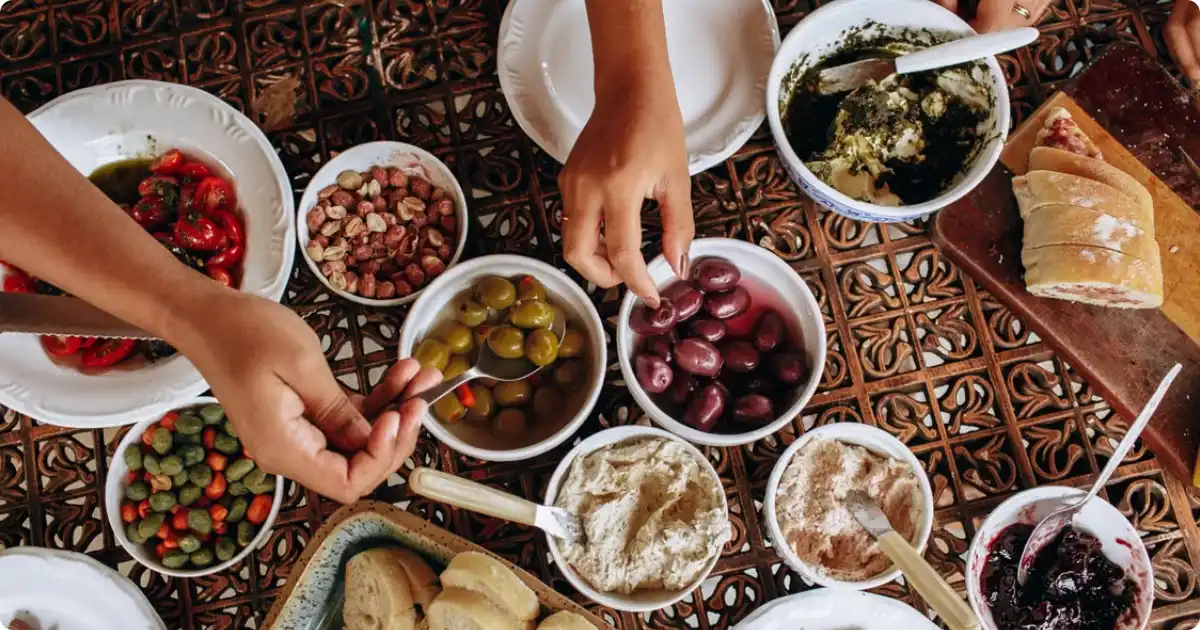
Fifty-four countries. Thousands of ethnic groups. And somehow, “African food” gets treated like a single restaurant category.
That’s the gap this guide closes. American travelers who arrive in West Africa expecting one thing, or step into an Ethiopian restaurant without context, tend to either order wrong or leave without understanding what they just ate. The cuisine is extraordinary but only if you know how to read it.
Here you’ll find the most popular African dishes organized by region, ranked by how approachable they are for first-timers, and matched to where you can try them in the US before your flight departs.
THE SHORT ANSWER:
African food spans four distinct regions: West Africa (jollof rice, suya, fufu), North Africa (tagine, couscous, shakshuka), East Africa (injera with doro wat, nyama choma), and Southern Africa (braai, bunny chow, bobotie). First-timers should start with jollof rice or tagine both convert skeptics immediately.
What Is African Food? (And Why Americans Get It Wrong)
Most people assume “African food” is one cuisine. It isn’t and that assumption causes travelers to miss some of the most interesting food on the planet.
- Skip the single-cuisine assumption — Africa has 54 countries and thousands of ethnic groups
- Expect bold spicing, not necessarily extreme heat — North Africa uses sweet warmth, not fire
- Choose communal eating as the norm — shared platters are standard across most regions
- Use your hands at traditional restaurants — it’s correct etiquette, not informality
- Avoid comparing African dishes to American equivalents — they deserve their own frame
African food reflects climate, trade routes, and centuries of migration. The result is a continent of cuisines not a continent of one cuisine.
Africa Has 54 Countries Not One Cuisine
West Africa built its cooking around tomatoes, peppers, and palm oil. North Africa layered in Mediterranean spices cinnamon, cumin, preserved lemon. East Africa absorbed Indian influences through centuries of coastal trade. Southern Africa blended indigenous ingredients with Dutch and Malay techniques.
Each region is its own culinary world. A dish from Senegal shares almost nothing with a dish from Ethiopia except the pride of the cook who made it.
The Flavor Pillars Every Region Shares
Despite the diversity, certain ideas run through African cooking everywhere.
- Pick communal dining — sharing one large platter is standard, not casual
- Expect starchy anchors — fufu, ugali, injera, and couscous all serve the same role: scooping up stew
- Use bold spice blends — berbere (Ethiopia), ras el hanout (Morocco), and yaji (Nigeria) define their regions
- Choose fermentation where you find it — injera’s sour depth and fermented locust beans are intentional flavors
- Avoid waste — whole-animal cooking and root-to-stem vegetable use are deeply embedded traditions
The starch-plus-stew structure appears across almost every region. Master that logic and the entire continent starts to make sense.
West African Food The Gateway Region for American Palates
| Dish | Country of Origin | Main Ingredients | Flavor Profile | First-Timer Rating |
|---|---|---|---|---|
| Jollof Rice | Senegal / Nigeria / Ghana | Long-grain rice, tomato, peppers, onion, spices | Savory, smoky, mildly spiced | ⭐⭐⭐⭐⭐ Easy |
| Suya | Nigeria | Beef, yaji spice blend (peanut, ginger, chili) | Smoky, nutty, spiced | ⭐⭐⭐⭐⭐ Easy |
| Fried Plantains | West Africa (widespread) | Ripe plantains, oil | Sweet, caramelized, soft | ⭐⭐⭐⭐⭐ Easy |
| Egusi Soup | Nigeria / Ghana | Ground melon seeds, leafy greens, smoked fish or beef | Earthy, rich, savory | ⭐⭐⭐ Moderate |
| Fufu | West & Central Africa | Cassava, yams, or plantains (boiled and pounded) | Mild, neutral, slightly tangy | ⭐⭐⭐ Moderate |
| Maafe | Senegal / Mali | Meat, groundnut (peanut) paste, tomato, vegetables | Creamy, nutty, mildly spiced | ⭐⭐⭐⭐ Approachable |
West Africa is where most American travelers should start. The flavor profiles are bold but accessible. The dishes are increasingly available in US cities. And the jollof rice debate alone is worth the price of dinner.
- Start with jollof rice — it’s one pot, tomato-based, and deeply satisfying
- Try suya as your street food entry point — it’s beef skewers with a peanut-spice rub
- Order fufu with egusi soup once you’re comfortable — the texture surprises first-timers
- Avoid assuming all West African food is spicy — heat levels vary widely by dish and country
- Pick Nigerian or Ghanaian restaurants in your city as the best starting points
West African cooking is loud, generous, and unapologetically flavorful. It’s the region most likely to create a lifelong convert after one meal.
Jollof Rice
Jollof rice is West Africa’s most debated dish and its most beloved. Long-grain rice cooks in a rich tomato-pepper base until every grain is stained deep orange-red and loaded with flavor.
Nigeria and Ghana both claim the superior version. Nigerian jollof uses parboiled long-grain rice for a firm, separate texture. Ghanaian jollof favors jasmine or basmati for a softer, more absorbed result. The debate called the Jollof Wars is fought passionately on social media and at every diaspora dinner table.
First-timers should order it with fried plantains on the side. The sweet caramelized plantain against the savory rice is one of the great simple combinations in African cooking.
Suya
Suya is Nigeria’s answer to street food perfection. Thin strips of beef are coated in yaji a dry spice blend of ground peanuts, ginger, garlic, paprika, and chili then grilled over open flame until smoky and slightly charred on the edges.
The result is nutty, smoky, spiced, and addictive. Authentic suya arrives wrapped in newspaper with sliced raw onion and tomatoes. The contrast between hot charred meat and sharp fresh onion is the whole point.
INSIDER SECRET: Genuine yaji always contains roasted ground peanuts not just cayenne. If you smell roasted nuts when suya arrives, you’re in the right place.
Fufu and Egusi Soup
Fufu is the starchy anchor of West and Central African cooking. Cassava, yams, or plantains are boiled and pounded into a smooth, elastic dough. The texture is soft and slightly chewy nothing like mashed potato, despite the comparison people reach for.
You eat it with your hands. Pinch off a piece, press your thumb into it to make a small cup, and use it to scoop up egusi soup a thick, hearty stew made from ground melon seeds, leafy greens, and smoked fish or beef.
The combination sounds unusual to American ears. It tastes like something you’ve been missing.
Fried Plantains
Fried plantains appear across West Africa as a side dish, snack, and street food. Ripe plantains yellow-black skin, never green are sliced and pan-fried until caramelized and tender. The exterior crisps. The interior turns almost jammy with natural sugar.
They pair with everything: jollof rice, grilled chicken, egusi soup. Most West African restaurants in the US serve them. Order them as a first step into the cuisine they require no context and convert everyone immediately.
North African Food Spiced, Slow-Cooked, and Familiar
North Africa is the entry point for travelers who want African flavors with recognizable reference points. Moroccan, Tunisian, and Algerian cooking draws on Mediterranean ingredients olives, preserved lemon, chickpeas layered with warm spice blends that smell like a spice market and taste like nothing else.
- Start with tagine — it’s slow-cooked, deeply aromatic, and beginner-friendly
- Pick couscous as a side rather than a standalone dish first
- Try shakshuka — most Americans already know it from brunch menus
- Avoid expecting heat — North African spices are complex and warm, rarely fiery
- Choose restaurants with a clay tagine pot on the table — it signals authentic preparation
North African food is the region where American travelers consistently discover their assumptions were wrong. It’s more nuanced, more layered, and more accessible than most expect.
Moroccan Tagine
Tagine is both the dish and the vessel. The cone-shaped clay pot traps steam and creates a low, slow braise that produces some of the most tender meat in any cuisine.
Chicken tagine with preserved lemon and olives is the classic entry point. The preserved lemon adds a salty, funky brightness that balances the warm spice of ras el hanout — Morocco’s signature blend of up to 30 spices, including cumin, coriander, cinnamon, and ginger. Lamb tagine often includes dried apricots or prunes, adding sweetness against the savory base.
It’s served with couscous or crusty bread. The broth in the bottom of the pot is worth savoring with every bite.
Couscous
Couscous is not rice. It’s tiny pellets of semolina durum wheat steamed until light and fluffy. Across Morocco, Algeria, and Tunisia, it serves as the base for vegetable stews, braised meats, and slow-cooked tagines.
Friday couscous is a North African institution. Families gather after mosque, and the pot is placed in the center of the table. Everyone eats together. The social ritual is as important as the food itself.
First-timers should order it as a vehicle for the stew placed on top not as a standalone dish. The couscous absorbs the broth and becomes something far greater than its simple ingredients suggest.
Shakshuka
Shakshuka is the North African dish most Americans already know even if they don’t know they know it. Eggs poached directly in a spiced tomato-pepper sauce. Eaten for breakfast, lunch, or dinner across Tunisia, Libya, and Egypt.
Most American brunch menus now feature it under its own name. The authentic version is sharper and more aggressively spiced than most US adaptations. In Tunisia, harissa adds a deep smoky heat. In Israel where the dish also has deep roots it’s milder and herb-forward.
Order it at any North African restaurant and you’ll feel immediately at home. Then everything else on the menu becomes less intimidating
East African Food Bold Fermented Flavors and Communal Plates
East Africa produces some of the most distinctive dining experiences on the continent. Ethiopian and Eritrean cuisine in particular operate on entirely different logic from Western food fermented bread as plate and utensil, communal platters, and spice blends built over centuries of trade with India and the Middle East.
- Start at an Ethiopian restaurant — they’re the most common East African cuisine in the US
- Order a combination platter on your first visit — it removes decision pressure
- Expect to eat with your right hand — it’s correct form, not an oversight
- Try nyama choma if visiting Kenya or Tanzania — it’s grilled meat done exceptionally well
- Avoid using a fork with injera in traditional settings — tear and scoop instead
East African food rewards adventurous eaters. But it also rewards patient first-timers who take five minutes to understand the format before ordering.
Injera with Doro Wat
Injera is the foundation of Ethiopian and Eritrean dining. A large, spongy sourdough flatbread made from teff flour, fermented for two to three days, then cooked on one side only. The result is tangy, slightly elastic, and covered in small holes that trap every drop of stew.
Doro wat is the national dish of Ethiopia a deeply spiced chicken stew built on berbere, a complex spice blend containing chili, fenugreek, cardamom, and up to 20 other ingredients. Hard-boiled eggs absorb the stew and become part of the dish. The whole thing sits on top of a large sheet of injera, with additional injera rolled on the side for scooping.
Everyone eats from the same platter. You tear a piece of injera, pinch up doro wat, and eat in one move. It’s communal, tactile, and completely unlike anything in American dining culture.
Nyama Choma
Nyama choma means “roasted meat” in Swahili and in Kenya and Tanzania, it’s a national obsession. Goat or beef is salted simply and roasted slowly over charcoal until the exterior chars and the interior stays tender.
It arrives at the table in thick chunks, served with kachumbari a sharp tomato and onion salad dressed with lime and ugali on the side. The restraint of the preparation is the point. The quality of the meat, the heat of the coals, and the freshness of the accompaniments do all the work.
Nyama choma joints in Nairobi are neighborhood institutions. You order by weight, eat with your hands, and stay for hours.
Ugali
Ugali is East and Southern Africa’s most essential starch. Maize flour cooked with boiling water, stirred continuously until it forms a thick, dense porridge that holds its shape when sliced. The texture is firmer than American grits. The flavor is mild and almost neutral by design.
Ugali’s job is to carry whatever stew sits beside it. You pinch off a piece, roll it in your palm, indent it with your thumb, and scoop. It pairs with sukuma wiki (braised collard greens), nyama choma, or any bean or lentil stew.
More than 50% of East African households eat ugali as a daily staple. It’s not a side dish. It’s the meal.
Southern African Food Braai Culture and Cape Spice
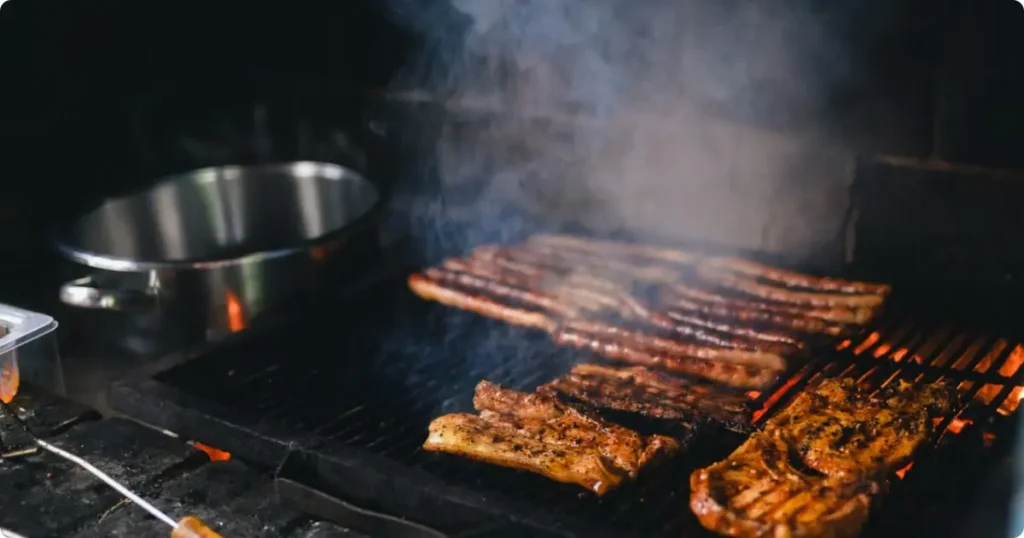
Southern Africa’s food tells the clearest story of cultural collision on the continent. Dutch settlers, Indian laborers, Malay spice traders, and indigenous Zulu and Xhosa cooking traditions all fed into one another. The result is Cape Malay cuisine, braai culture, and dishes that taste like history made edible.
- Start with braai — it’s the South African cookout and the best entry point
- Try bunny chow in Durban — one of the great street foods anywhere in the world
- Order bobotie at a Cape Town restaurant for a full Cape Malay experience
- Pick biltong as your South African snack — it’s dried, spiced meat and deeply addictive
- Avoid the tourist restaurant menus — local braai joints and street food stalls are where Southern African food lives
Southern African food is the region most underrepresented in American restaurants. That makes traveling there or finding a South African expat restaurant in your city genuinely worth the effort.
Braai
Braai is South Africa’s sacred institution. The word means barbecue but that translation undersells it dramatically. A braai is a social event built around an open wood fire. Boerewors (a coiled beef-and-pork sausage seasoned with coriander and clove), lamb chops, and chicken thighs cook slowly over the coals while everyone stands around talking.
The wood is non-negotiable. South Africans use hardwoods like acacia for steady heat and a light smoke. Gas is considered an insult. The fire itself is a conversation.
Most South African expat communities in the US hold braais on weekends. If you’re ever invited to one, go. It’s the fastest entry point into Southern African food culture.
Bunny Chow
Bunny chow was created in Durban by Indian migrant workers who needed a portable, filling lunch they could carry to work. A loaf of white bread is hollowed out and filled with spicy bean, chicken, or lamb curry. The bread lid sits on top. The bread walls soak up the curry from the inside.
You eat it with your hands. The exterior stays sturdy just long enough for you to finish the inside — then the sauce-soaked bread wall becomes the final course.
It’s one of the great street foods on the planet. Durban’s bunny chow joints are legendary, and the debate over which curry filling is correct is as passionate as Nigeria’s jollof wars.
Bobotie
Bobotie is South Africa’s national dish and one of the clearest examples of Cape Malay cuisine’s genius. Spiced minced meat (beef or lamb) is baked beneath a savory egg custard until set. The filling combines curry powder, apricot jam, and raisins with the meat a sweet-savory balance that shouldn’t work and absolutely does.
It arrives with yellow rice (turmeric-scented) and a side of chutney. The flavor is warm, fragrant, and genuinely unlike anything in American cooking. Dutch settlers adapted it from Cape Malay techniques in the 17th century. It has remained on South African tables ever since.
African Food in America Where to Try It Before You Travel
| US City | Strongest African Cuisine Scene | Key Neighborhoods to Search | Best First Dish to Order |
|---|---|---|---|
| Washington D.C. | Ethiopian (largest concentration in the US) | U Street / Adams Morgan | Injera combination platter with doro wat |
| New York City | West African, North African, East African | Harlem, Bronx, Flatbush (Brooklyn) | Jollof rice with suya |
| Los Angeles | Senegalese, Ethiopian | Little Ethiopia (Fairfax), Leimert Park | Thieboudienne or injera with tibs |
| Minneapolis | Somali, Ethiopian, West African | Cedar-Riverside neighborhood | Somali rice (bariis) or injera platter |
| Columbus, OH | West African (large Nigerian/Ghanaian community) | Westside / Livingston Ave corridor | Jollof rice with fried plantains |
| Houston, TX | West African, North African | Alief / Southwest Houston | Egusi soup with fufu |
You don’t need a plane ticket to start exploring African cuisine. Major American cities have strong African restaurant scenes and they’re the best way to orient yourself before traveling.
- Check Washington D.C. first — it has the largest concentration of Ethiopian restaurants in the US
- Try New York City for the broadest range — West African, North African, and East African options all exist
- Find Los Angeles for strong Senegalese and Ethiopian options in distinct neighborhoods
- Search Minneapolis and Columbus for West African restaurants — both cities have large diaspora communities
- Use Google Maps with filters for “Nigerian,” “Ethiopian,” or “Moroccan” rather than “African food”
Ethiopian cuisine is the most widely available African cuisine in the US. It’s the logical starting point. Most cities with a population above 200,000 have at least one Ethiopian restaurant worth visiting.
How to Eat African Food the Right Way
Knowing the etiquette removes the anxiety. African dining has its own logic and once you understand it, every meal becomes more enjoyable.
- Use your right hand when eating traditionally — the left hand is considered unclean in many African cultures
- Tear and scoop with injera rather than cutting or using a fork
- Accept food when offered — refusing hospitality is considered impolite across most of the continent
- Share from the communal platter without hesitation — it’s expected, not presumptuous
- Ask your server how to eat an unfamiliar dish — staff at authentic restaurants welcome the question
One practical note: most African restaurants in the US provide utensils automatically. But asking to eat traditionally especially at Ethiopian or West African restaurants is always welcomed and often leads to a better experience.
The Verdict
African food is not one cuisine and that’s the entire point. West Africa gives you bold tomato-based stews, smoky suya, and the jollof rice debate that has launched a thousand dinner arguments. North Africa offers slow-cooked tagines, fragrant couscous, and shakshuka you already know from brunch. East Africa introduces fermented sourdough flatbread and communal platters that rewire how you think about sharing a meal. Southern Africa layers 400 years of cultural collision into dishes like bobotie and bunny chow that taste like nowhere else on earth.
Start with jollof rice or tagine. Find an Ethiopian restaurant in your city this week. Then book the trip. African food rewards every traveler who shows up curious and it will change what you think food can be.
