

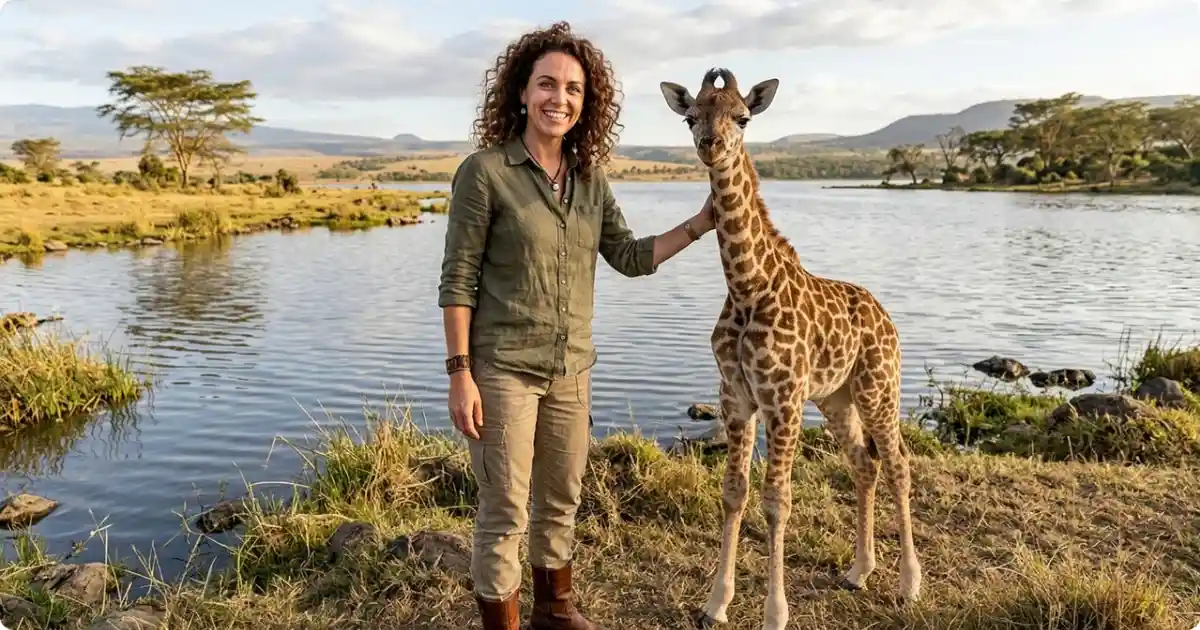
I spent weeks researching women’s safari clothing so you wouldn’t waste money on gear that collects dust after one trip.
Most women overthink safari packing. They buy head-to-toe khaki outfits they’ll never wear again, stress over color rules that barely matter, and end up with a suitcase full of regret. The real challenge isn’t finding “safari-specific” clothing. It’s choosing versatile, functional pieces that handle dust, heat, cold mornings, and tsetse flies all within a 15 kg luggage limit.
This guide breaks down exactly what to wear on safari by garment category, with specific fabric recommendations and regional dress code differences most guides skip entirely.
QUICK ANSWER: Wear lightweight, neutral-toned clothing in breathable fabrics like nylon or merino wool. Pack convertible pants, moisture-wicking tops, a packable down jacket for cold mornings, and closed-toe shoes. Avoid bright white, dark black, and camouflage. Layer for temperature swings that can range from near-freezing at dawn to 35°C by midday.
Why Safari Clothing Matters More Than You Think
Safari clothing isn’t about fashion. It’s about function under extreme conditions most travelers underestimate.
- Expect temperature swings of 20°C+ between dawn and midday
- Tsetse flies bite through thin fabric and target dark colors
- Bush flights enforce strict 15 kg luggage limits including carry-on
- Red and bright blue attract insects and spook wildlife on walking safaris
- Dust stains light-colored cotton permanently within hours
Most first-time safari travelers pack too many clothes and the wrong fabrics. Cotton feels comfortable at home. However, it holds moisture, dries slowly, and wrinkles badly when stuffed into a soft duffel.
Synthetic blends and merino wool outperform cotton in every safari condition. They wick sweat, resist odor, dry fast, and pack smaller. Additionally, these fabrics handle repeated hand-washing without losing shape.
Best Safari Tops for Women
| Clothing Item | Qty (7-Day Safari) | Best Fabric | Best Colors |
|---|---|---|---|
| Short-sleeve safari shirt | 2–3 | Nylon-polyester blend, UPF 50+ | Khaki, olive, tan |
| Long-sleeve button-down | 1–2 | Lightweight nylon, UPF 50+ | Stone, sage, light olive |
| Tank top / base layer | 2 | Merino wool or synthetic | Grey, tan, cream |
| Convertible pants | 1 | Nylon with stretch | Khaki, olive, dark tan |
| Lightweight hiking pants | 1–2 | Nylon-elastane blend | Stone, olive, charcoal |
| Shorts (optional) | 0–1 | Quick-dry nylon | Khaki, olive |
| Fleece mid layer | 1 | Polyester fleece | Charcoal, olive, dark grey |
| Packable puffer jacket | 1 | Synthetic or down fill | Dark olive, charcoal, tan |
| Rain jacket / shell | 1 | Lightweight waterproof nylon | Olive, stone, dark grey |
| Evening outfit (dress or smart separates) | 1 | Cotton-blend or linen | Navy, olive, rust |
| Trail shoes / hiking boots | 1 pair | Synthetic mesh upper, rubber sole | Earth tones |
| Closed-toe casual shoes | 1 pair | Canvas or leather | Neutral |
Safari tops do the heaviest work in your wardrobe. They manage sun protection, sweat, and temperature shifts throughout the day.
- Pick moisture-wicking fabrics over cotton for hot game drives
- Choose UPF 50+ shirts for sun protection near the equator
- Avoid pure white tops — dust turns them brown by noon
- Pack tops in khaki, olive, tan, grey, or soft sage tones
- Check for anti-insect treated fabric if visiting tsetse fly regions
- Bring at least three tops for a week-long safari to rotate while washing
Short-Sleeve Safari Shirts
Short-sleeve safari shirts are the daytime workhorse. They keep you cool during midday heat when temperatures climb above 30°C.
Look for shirts with vented backs and rolled-collar designs. Brands like Columbia, ExOfficio, and REI make women’s safari shirts with built-in UPF protection and moisture management. Nylon-polyester blends outperform cotton here because they dry in under two hours after hand-washing.
Long-Sleeve Safari Shirts
Long sleeves earn their space for three reasons: sun protection, insect defense, and early morning warmth. Roll-up sleeve tabs let you adjust through the day without changing shirts.
A long-sleeve button-down in lightweight nylon is the single most versatile safari garment. It works on game drives, at bush dinners, and as a mid-layer under a fleece. Therefore, pack at least one even if you run warm.
Tank Tops and Layering Basics
Tank tops work as base layers under shirts and jackets. They also serve as standalone tops at the lodge during downtime.
Merino wool tanks resist odor for multiple wears. This matters when laundry access is limited. Pack two lightweight tanks in neutral tones and layer them under long-sleeve shirts during cold mornings.
Best Safari Pants for Women
Pants occupy the most luggage space, so every pair must justify its weight. Strategic choices here save room for accessories and layers.
- Pick nylon or nylon-blend pants over cotton or denim
- Choose pants with articulated knees for climbing safari vehicles
- Avoid skinny fits — loose cuts allow airflow and easy movement
- Look for zip pockets to secure valuables on bumpy game drives
- Pack pants in khaki, olive, stone, or dark tan shades
Convertible Safari Pants
Convertible zip-off pants are the most space-efficient option for safari. One pair covers both morning cold and afternoon heat.
Look for clean zip-off seams that sit above the knee. Cheap convertible pants bunch at the zip line and look bulky. Brands like REI, Prana, and Craghoppers make women’s convertibles with flattering cuts. As a result, one pair of quality convertibles can replace both a full-length pant and a pair of shorts.
Lightweight Hiking Pants
Dedicated hiking pants outperform convertibles in fit and comfort. They move better, look cleaner, and feel less bulky at the knee.
Straight-leg or slim-straight cuts in stretchy nylon work best. Meanwhile, avoid anything too tight — you’ll spend hours sitting in a safari vehicle, and restrictive pants create discomfort fast. Elastic waistbands or drawstring closures beat rigid button closures for all-day comfort.
Safari Shorts When They Work
Shorts work around the lodge and on vehicle-only game drives. However, they’re impractical for walking safaris and evening drives.
Keep shorts knee-length or longer. Short shorts expose skin to sun, thorns, and insect bites. Additionally, some lodges expect modest dress at dinner, so shorts may limit your evening options. Pack one pair at most and treat them as optional.
Best Safari Layers and Jackets
Layering is non-negotiable on safari. Dawn temperatures can hover near freezing in East African highlands and parts of Southern Africa between June and October.
- Pack a system: base layer, mid layer, outer shell
- Choose packable options that compress into their own pocket
- Avoid bulky winter coats — layered light pieces outperform them
- Pick dark olive or charcoal layers that hide dust and stains
- Check that all layers fit comfortably under each other
Fleece and Mid Layers
A lightweight fleece handles most chilly mornings and cool evenings. It compresses small and dries fast if it gets damp from morning dew.
Quarter-zip fleeces are easier to regulate temperature than full-zip options. You can vent heat without removing the layer entirely. Because mornings warm rapidly once the sun rises, easy temperature regulation matters more than maximum warmth.
Packable Down Jackets
A packable down or synthetic puffer is the highest-value layer for safari. It weighs under 300 grams and compresses into a fist-sized pouch.
INSIDER SECRET: Lodges provide hot water bottles and blankets on game drives, but a packable puffer worn over a fleece creates a warmth system that handles every temperature scenario — from 2°C Ngorongoro Crater mornings to breezy Okavango Delta sunsets.
Synthetic fill outperforms down if you expect rain. Down loses insulation when wet. However, for dry-season safaris, down offers a better warmth-to-weight ratio.
Rain Jackets
Rain jackets earn their luggage space even during dry season. Afternoon showers happen without warning across East and Southern Africa.
A lightweight shell that folds into its own pocket is ideal. It doubles as a windbreaker on open-top vehicles. Skip heavy Gore-Tex options — a simple waterproof shell weighing under 400 grams handles safari rain conditions.
What to Wear on Safari Evenings
| Avoid | Why | Wear Instead |
|---|---|---|
| Bright white | Attracts tsetse flies, shows dust instantly | Off-white, cream, stone |
| Black or dark navy | Absorbs heat, attracts biting insects | Charcoal, olive, dark tan |
| Camouflage print | Illegal for civilians in Tanzania, Zambia, Zimbabwe, and others | Solid khaki or olive |
| Denim / jeans | Heavy, slow-drying, uncomfortable in heat | Lightweight nylon pants |
| Jumpsuits / rompers | Impractical for bush bathroom breaks | Separates (top + pants) |
| Bright red | May agitate animals on walking safaris | Muted rust or burgundy |
| Open-toed sandals (on drives) | No protection from dust, debris, insects | Trail shoes or closed sneakers |
| Perfume / scented products | Attracts mosquitoes and biting insects | Unscented sunscreen and repellent |
Evening dress codes surprise most first-time safari travelers. Lodges range from casual bush camps to upscale properties with semiformal dinners.
- Pack one smart-casual outfit for evening dinners at the lodge
- A clean button-down shirt with fresh pants works for most settings
- Safari dresses or skorts add variety without much luggage weight
- Avoid open-toed shoes at night — scorpions and insects are active
- Bring a lightweight wrap or shawl for cool outdoor dining areas
Most lodges lean casual. However, high-end properties in South Africa and Botswana sometimes expect guests to change for dinner. A linen or cotton-blend dress in olive, navy, or rust rolls small and transitions well from daytime to evening.
Long pants and closed shoes protect against insects during outdoor evening meals. Mosquitoes become active at dusk, so covered legs and ankles reduce the need for excessive repellent.
Safari Footwear That Actually Works
Wrong footwear ruins safari days faster than any other clothing mistake. Blisters, rolled ankles, and insect exposure all trace back to poor shoe choices.
- Pack one pair of trail shoes or lightweight hiking boots
- Choose ankle-height footwear for walking safaris — it protects against thorns
- Avoid sandals on game drives — vehicles kick up dust and debris
- Pack one pair of closed-toe casual shoes for lodge evenings
- Skip brand-new shoes — break them in at least two weeks before departure
Trail runners from brands like Merrell, Salomon, or New Balance handle most safari terrain. They pack lighter than traditional hiking boots and dry faster after creek crossings. However, for extended walking safaris, ankle-height boots provide better support and snake protection.
Flip-flops or sandals work only around the lodge pool or inside your tent. They shouldn’t leave the lodge grounds.
Safari Accessories Worth Packing
Accessories solve specific problems on safari. Each item below earns its luggage weight.
- Pack a wide-brimmed hat with a chin strap for open-top vehicle drives
- Bring a buff or scarf for dust protection and warmth
- Use a lightweight sling bag to keep essentials accessible on game drives
- Wear polarized sunglasses — glare on savanna grassland is intense
- Pack merino wool socks to prevent blisters and manage moisture
- Carry a headlamp with red-light mode for walking to dinner after dark
A multipurpose scarf is arguably the most versatile safari accessory. It works as a sun shield, dust filter, neck warmer, and pillow cover on bush flights. Choose a lightweight cotton or silk-blend scarf in a neutral tone.
What Not to Wear on Safari
Knowing what to avoid saves luggage space and prevents real problems in the bush.
- Skip bright white clothing — it attracts tsetse flies and shows every dust stain
- Avoid black and navy — they absorb heat and attract biting insects
- Never wear camouflage — it’s illegal in several African countries including Tanzania and Zimbabwe
- Leave denim behind — jeans are heavy, slow to dry, and uncomfortable in heat
- Skip jumpsuits and rompers — bathroom breaks behind a termite mound are already awkward enough
- Avoid perfume and scented products — they attract insects
Camouflage deserves extra emphasis. Tanzania, Zambia, Zimbabwe, and several other countries restrict camouflage clothing to military personnel. Wearing it can result in confiscation or fines at airports and checkpoints.
Bright red is also problematic on walking safaris. It may agitate certain animals and makes you more visible when guides need you to blend in with surroundings.
East Africa vs Southern Africa — Dress Code Differences
| Factor | East Africa (Kenya, Tanzania, Uganda) | Southern Africa (South Africa, Botswana, Namibia) |
|---|---|---|
| Elevation | 1,500–2,000 m in Mara / Serengeti | Varies widely; many reserves below 1,000 m |
| Morning temperature (dry season) | 5–10°C — warm layers essential | 5–15°C — layers needed June–August |
| Midday temperature | 25–32°C | 25–35°C |
| Evening dress code | Generally casual at most camps | Smart-casual at luxury lodges |
| Camouflage restriction | Banned in Tanzania; avoid everywhere | Banned in Zambia, Zimbabwe; avoid everywhere |
| Walking safari frequency | Common in Uganda (gorilla trekking) | Common in Zambia, Zimbabwe, South Africa |
| Luggage limit (bush flights) | Strictly 15 kg soft bag in most cases | 15–20 kg depending on operator |
| Key layering priority | Warm puffer + fleece for altitude cold | Warm jacket for winter; rain layer for green season |
Safari destinations vary more than most guides acknowledge. What works in Tanzania may not suit Botswana, and vice versa.
- East Africa (Kenya, Tanzania, Uganda): Higher altitude means colder mornings — pack warmer layers
- Southern Africa (South Africa, Botswana, Namibia): More variation between luxury lodges and budget camps
- Walking safaris demand neutral colors more strictly than vehicle-only safaris
- South African winter (June–August) requires a proper warm jacket — not just a fleece
- Kruger National Park drives are self-guided, so dress for your own vehicle comfort
East African safaris in the Masai Mara and Serengeti sit at 1,500–2,000 meters elevation. Temperatures drop sharply at night despite equatorial location. Therefore, warm layers matter more here than in lowland Southern African reserves.
In contrast, Southern African safaris often include luxury lodges with higher evening dress expectations. Botswana and South Africa properties may have swimming pools, so pack a swimsuit if your itinerary includes upscale accommodations.
The Verdict
I’ve reviewed women’s safari clothing across every category tops, pants, layers, footwear, and accessories. The pattern is clear. Functional, neutral-toned pieces in synthetic or merino fabrics outperform dedicated “safari clothing” every time. Skip the head-to-toe khaki costume. Instead, build a capsule wardrobe of versatile pieces that work on safari and travel well afterward.
The three non-negotiable items are convertible pants, a packable puffer jacket, and a moisture-wicking long-sleeve shirt. Everything else is refinement. Layer smart, pack light, and leave the cotton at home.
