

We’ve researched South Africa’s safety landscape obsessively — government advisories, solo traveler reports, and on-the-ground accounts from 2025 and 2026.
Here’s the problem most travelers face: every source either tells you South Africa is a warzone or waves away every concern with “just use common sense.” Neither helps you decide whether to book the flight.
This guide gives you the honest, calibrated answer — by city, by traveler type, and by specific situation — so you can travel confidently or choose not to, based on real information.
QUICK ANSWER: South Africa is safe for tourists who prepare properly. Millions visit annually without incident. The real risks are petty theft and opportunistic crime in urban areas, not violence targeting foreigners. Stick to tourist zones, use Uber after dark, and avoid flashing valuables. Safari destinations are extremely safe.
The Honest Answer: Is South Africa Safe for Tourists?
South Africa carries real risks — but they are not the risks most travelers imagine.
- Avoid the assumption that high national crime stats apply equally to tourist areas
- Understand that most violent crime occurs between people who know each other
- Recognize that tourism infrastructure in Cape Town, Kruger, and the Winelands is robust
- Check that the US State Department currently rates South Africa at Level 2: Exercise Increased Caution
- Skip the idea that South Africa is uniquely dangerous — petty theft risks mirror major US cities
The country hosts millions of international tourists every year. Most leave without a single serious incident.
What the Crime Statistics Actually Mean for You
South Africa does have one of the world’s highest crime rates. However, context matters enormously here.
Violent crime is documented across South Africa, including armed robbery, carjacking, and mugging — and incidents can occur even in popular tourist areas. That is the honest starting point. U.S. Department of State
However, most violent crime occurs between people who know each other, and tourist areas are among the safest parts of the country. A traveler staying in vetted accommodation, using Uber, and avoiding townships after dark faces a risk profile far lower than raw national statistics suggest. Nomadic Matt
Travel advisories compiled by foreign governments often exaggerate the risk, particularly for safari travel, which takes place far from residential areas and cityscapes. Go2Africa
Where Tourists Actually Get Into Trouble
Knowing the specific scenarios protects you better than any general warning.
- Avoid walking alone after dark — this is the single highest-risk behavior for tourists
- Skip carrying visible phones, cameras, or jewelry in city streets
- Check luggage carefully on arrival — passengers have been followed from airports and robbed on the way to their accommodation, and theft from checked luggage is reported. Travel.gc.ca
- Use only app-based or hotel-arranged transport from airports — never accept unsolicited taxi offers
- Be aware that criminals have posed as fake tourist police to extort and rob travelers. The South African Police Service has no tourist police unit. Smartraveller
- Avoid “smash and grab” risk by keeping car windows closed and doors locked when driving
Most tourist trouble is preventable. It targets distraction and opportunity, not foreigners specifically.
Cape Town Safety: Neighborhood by Neighborhood
| Neighborhood | Safety Level | Best For | Night Walking? |
|---|---|---|---|
| V&A Waterfront | ✅ Very Safe | First-timers, families | Yes — well patrolled |
| Sea Point / Green Point | ✅ Very Safe | Solo travelers, couples | Yes — busy promenade |
| Camps Bay / Clifton | ✅ Very Safe | Beach travelers, couples | Yes — restaurant strip |
| Bo-Kaap | ✅ Safe (daytime) | Culture seekers | No — use Uber |
| Gardens / De Waterkant | ✅ Safe (daytime) | Budget travelers, backpackers | No — use Uber |
| CBD (City Bowl) | ⚠️ Use Caution | Daytime only | No — avoid entirely |
| Woodstock | ⚠️ Use Caution | Art scene, daytime only | No — use Uber |
| Cape Flats | 🚫 Avoid | Not a tourist area | No — avoid entirely |
| Khayelitsha / Delft | 🚫 Avoid (solo) | Guided tours only | No — guided only |
Cape Town is the destination most international visitors worry about — and the city where location within the city matters most.
- Treat Cape Town like any major global city with uneven safety geography
- Use neighborhood knowledge rather than city-wide generalizations
- Pick accommodation inside or adjacent to safe tourist corridors
- Avoid the Cape Flats entirely — this is not a tourist area under any circumstances
- Use Uber between neighborhoods rather than walking unfamiliar routes
Your neighborhood choice shapes your entire experience.
Safe Areas in Cape Town for Tourists
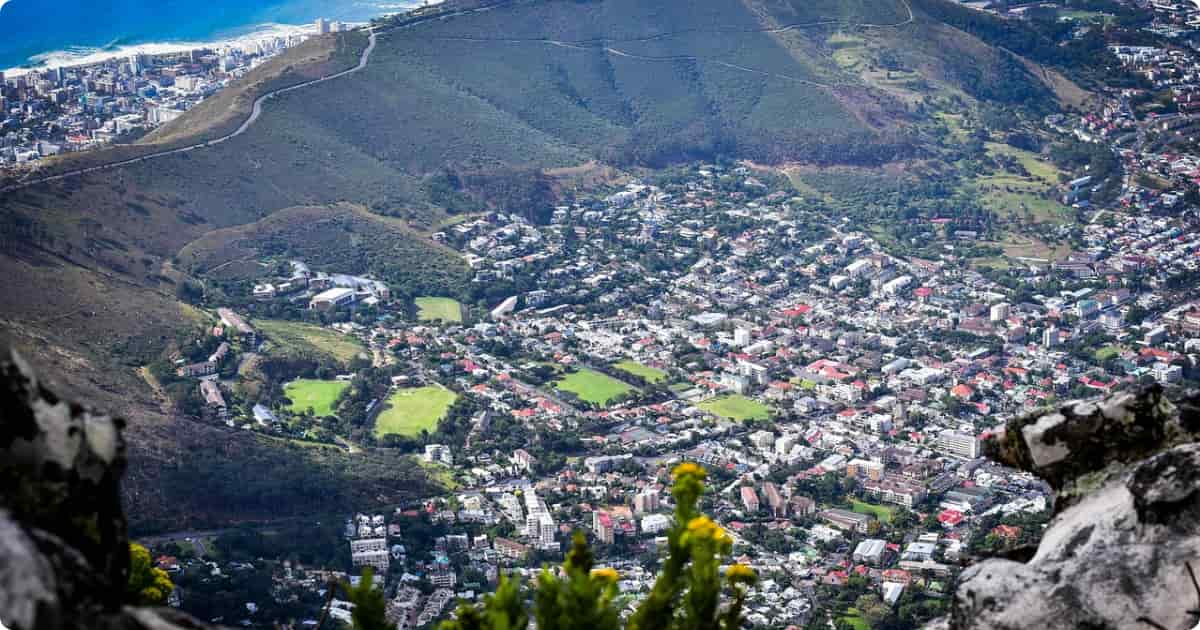
The V&A Waterfront is very safe — visitors staying nearby can walk to restaurants and attractions in the area. It is Cape Town’s most tourist-oriented zone and has its own active security presence. Africa Endeavours
Other consistently safe areas include:
- Sea Point and Green Point — oceanside promenade, good lighting, high foot traffic
- Camps Bay and Clifton — beach neighborhoods with restaurants and a visible tourist presence
- Bo-Kaap — safe during daylight hours; use Uber after dark
- Stellenbosch and Franschhoek — the Winelands towns are calm and low-risk
- Gardens / De Waterkant — popular with tourists, manageable on foot by day
Areas to Avoid in Cape Town
Some parts of Cape Town require a clear-eyed approach.
- Skip the Cape Flats entirely — this is an area that even locals avoid. The Broke Backpacker
- Avoid the CBD (Central Business District) at night — daytime is manageable but requires attention
- Townships including Khayelitsha, Delft, and Mitchell’s Plain should not be visited without an experienced local guide. Nomad Sister
- Skip the areas immediately surrounding Cape Town International Airport at night — some secondary roads near the airport carry an increased risk of attack. Travel.gc.ca
- Do not let GPS apps route you through township areas when driving — always plan your route in advance
INSIDER SECRET: Google Maps and GPS will often route drivers directly through townships. Before every drive, cross-reference your route with your hotel concierge. This single habit has kept countless travelers safe. Destinationdreamerdiaries
Is Cape Town Safe at Night?
Nighttime in Cape Town requires a genuine shift in behavior.
- Take Uber between dinner and accommodation — even for two-block distances
- Choose restaurants within or adjacent to your neighborhood, not across the city
- Stay within the lit, active tourist corridors in Sea Point, V&A Waterfront, and Camps Bay
- Avoid the CBD after dark regardless of group size
- Uber is safe in Cape Town and is widely used by residents — even for very short distances after dark. Destinationdreamerdiaries
The risk at night is real. It is also manageable with a consistent Uber habit.
Is South Africa Safe for Solo Female Travelers?
Solo female travel in South Africa is absolutely possible — and thousands of women do it every year. However, it requires more active preparation than destinations in Europe or Southeast Asia.
- Research your specific accommodation neighborhood before booking
- Book Uber in advance for all airport transfers — never accept informal offers
- Dining alone as a solo female traveler in Cape Town is perfectly safe during daylight and early evening in tourist areas. Destinationdreamerdiaries
- Avoid hiking alone on any trail, including Table Mountain and Lion’s Head
- South Africa is not recommended as a first-time solo destination — it suits travelers who already have solo travel experience. Destinationdreamerdiaries
With preparation, South Africa rewards solo female travelers with experiences few other destinations can match.
Real Risks for Women Traveling Alone
South Africa has one of the highest rates of sexual assault and violence against women in the world. This statistic deserves honest acknowledgment. U.S. Department of State
However, the pattern matters: the vast majority of these incidents occur between people who know each other, in local communities, not in tourist areas targeting foreign visitors. A solo female traveler who spent nine weeks in South Africa reported needing to take more precautions than in Southeast Asia or Germany, but found the risks comparable to major US or European cities. Nomadic Matt
Drink spiking and drugging in bars and restaurants has been reported — never leave food or drinks unattended, and do not accept items from new acquaintances. Travel.gc.ca
Solo Female Travel Tips That Actually Work
These are the habits that matter, not vague reassurances.
- Use Uber or Bolt for all transport — avoid collective minibus taxis entirely. Nomad Sister
- Hike only in organized groups with a guide — never solo on any trail
- Stay in well-reviewed accommodation with 24-hour security
- Share your itinerary with someone at home before each day
- Keep your phone face-down and out of sight in public spaces
- Spend extra on Uber rather than walking short distances, and on accommodation in safer neighborhoods — do not cut costs on safety. Adventurous Kate
The Garden Route deserves a specific mention: coastal towns along the Garden Route are extremely safe for solo female travelers, with very low crime rates and heavy tourist infrastructure. Wandering Jen
Is Uber Safe in Cape Town?
Uber is the recommended transport for tourists in Cape Town. Full stop.
- Use Uber or Bolt for all city movement — day and night
- UberBLACK uses professional drivers and costs about twice as much as UberX — it is worth the price difference. Adventurous Kate
- Always verify the driver’s name, photo, and car registration before getting in
- Uber South Africa’s in-app emergency button connects to private armed response companies, not public police. 24
- Never share a ride with strangers regardless of how it is framed
Uber is widely used by Cape Town residents for even the shortest journeys — this normalization makes it a reliable, affordable, and safe choice for visitors. Destinationdreamerdiaries
Uber vs. Taxis vs. Public Transport
Choosing the wrong transport is one of the most avoidable tourist mistakes in South Africa.
- Uber / Bolt — safest option, transparent pricing, GPS-tracked, in-app emergency button
- Hotel-arranged taxis — reliable and pre-vetted; your concierge knows reputable operators
- Public minibus taxis — avoid entirely; these carry significantly higher risk for solo travelers. Nomad Sister
- Public trains — do not use; the national rail system has declined significantly and is not recommended for tourists. Moafrika Tours
- Gautrain (Johannesburg only) — the exception; this high-speed rail connecting OR Tambo Airport to Sandton is safe and efficient
Stick to Uber and hotel-arranged transport. The savings from minibus taxis are not worth the risk.
Safety Beyond Cape Town: Johannesburg, Kruger & the Garden Route
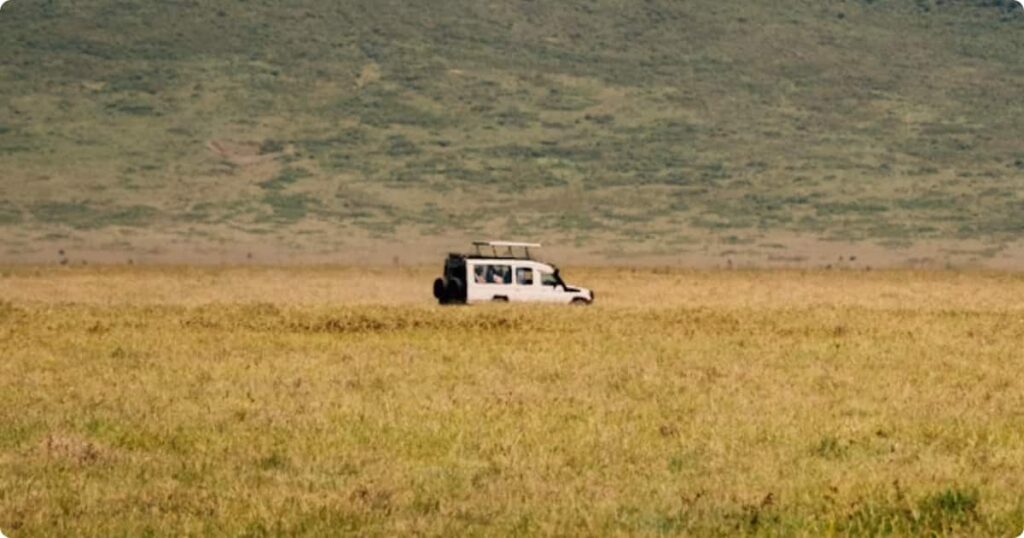
South Africa is not one safety experience. Each region operates very differently.
- Research each destination separately rather than applying Cape Town rules everywhere
- Understand that safari reserves and the Garden Route carry far lower risk than major cities
- Plan all airport transfers in advance regardless of which city you arrive in
- Keep Uber as your default transport in Johannesburg and Durban as well as Cape Town
Is Johannesburg Safe for Tourists?
Johannesburg is relatively safe for tourists who take standard precautions — petty theft is the primary risk, not violence targeting visitors. Go2Africa
Stay in Sandton, Maboneng, or Rosebank. Maboneng is a safe area to stay downtown — it is well lit at night and has its own 24-hour security. Avoid the Johannesburg CBD, particularly after dark. Use Uber exclusively and drive with windows closed and doors locked. Africa Endeavours
Johannesburg works well as a one or two-night stop before or after a Kruger safari. Avoid extended urban exploration without a local guide.
Kruger National Park Safety
Kruger is one of South Africa’s safest tourist experiences — and one of the world’s great wildlife destinations.
- Book accommodation inside the park or in a private reserve adjacent to it
- Follow all park rules — it is dangerous to leave your vehicle outside marked areas. U.S. Department of State
- Avoid the Numbi Gate entrance to Kruger — criminals have targeted tourist vehicles on approaches to the park. Travel.gc.ca
- Drive with windows closed and doors locked at all times on park roads
- Wildlife encounters require guide instruction — never approach animals independently
The private reserves bordering Kruger — including Sabi Sands — are extremely secure, with 24-hour armed response and professional game rangers.
The Garden Route
The Garden Route is South Africa’s most relaxed and tourist-friendly region. Crime rates in the small coastal towns are genuinely low. The Garden Route is heavily visited by international tourists and is considered extremely safe for solo travelers, including solo female travelers. Wandering Jen
Drive the N2 coastal highway in daylight. Plan overnight stops in advance. Towns like Knysna, Plettenberg Bay, and George are comfortable and well-serviced. The Garden Route is where travelers who felt cautious in Cape Town typically exhale and enjoy themselves fully.
South Africa Safety Tips Every Traveler Needs
| Destination | Risk Level | Primary Risk | Best Transport | Solo Friendly? |
|---|---|---|---|---|
| Garden Route | ✅ Low | Minimal | Self-drive (daytime) | Yes — very |
| Kruger / Private Reserves | ✅ Low | Wildlife (in-park only) | Tour operator / lodge | Yes |
| Cape Winelands (Stellenbosch / Franschhoek) | ✅ Low | Minimal | Uber / private transfer | Yes |
| Cape Town (tourist zones) | ⚠️ Moderate | Petty theft, walking at night | Uber | Yes — with prep |
| Johannesburg (Sandton / Maboneng) | ⚠️ Moderate | Petty theft, carjacking | Uber | Yes — with prep |
| Durban | ⚠️ Moderate | Petty theft, beach area crime | Uber | With caution |
| Cape Town CBD (at night) | 🚫 High | Mugging, opportunistic crime | Uber only | No |
| Townships (unsupported) | 🚫 High | Violent crime | Guided tours only | No |
These apply across every city and every traveler type.
- Before you go: Share your full itinerary with someone at home. Register with your government’s travel alert system (STEP for US citizens).
- At the airport: Pre-book airport transfer only. Ignore all unsolicited transport offers.
- In the city: Use Uber for all movement after dark. Keep phones out of sight on streets.
- Driving: Plan routes in advance with your hotel. Lock doors, close windows. Never drive outside cities at night.
- Valuables: Leave expensive jewelry at home. Use hotel safes for passports and spare cards.
- Cash: Withdraw small amounts from ATMs inside malls or banks — criminals wait near ATMs to follow people who have withdrawn cash. Smartraveller
- Hiking: Never hike alone on any trail, including Table Mountain, Lion’s Head, and Signal Hill.
- Carry a copy of your passport — keep the original document in a secure location at your accommodation. U.S. Department of State
One rule covers all situations: look like you know exactly where you are going, even when you are figuring it out.
The Verdict
South Africa is safe for tourists who prepare intelligently — and genuinely rewarding for those who do. Our research finds that the gap between perception and reality is vast. The risks are real: petty theft, opportunistic crime in cities, and specific scenarios like walking alone at night or accepting unsolicited transport. These risks are also almost entirely avoidable with consistent habits. Cape Town’s V&A Waterfront, the Garden Route, and Kruger’s private reserves operate at a safety level comparable to major global tourist destinations. Use Uber. Plan your routes. Leave the jewelry at home. Do those three things and South Africa will almost certainly become one of the most extraordinary trips of your life.
