

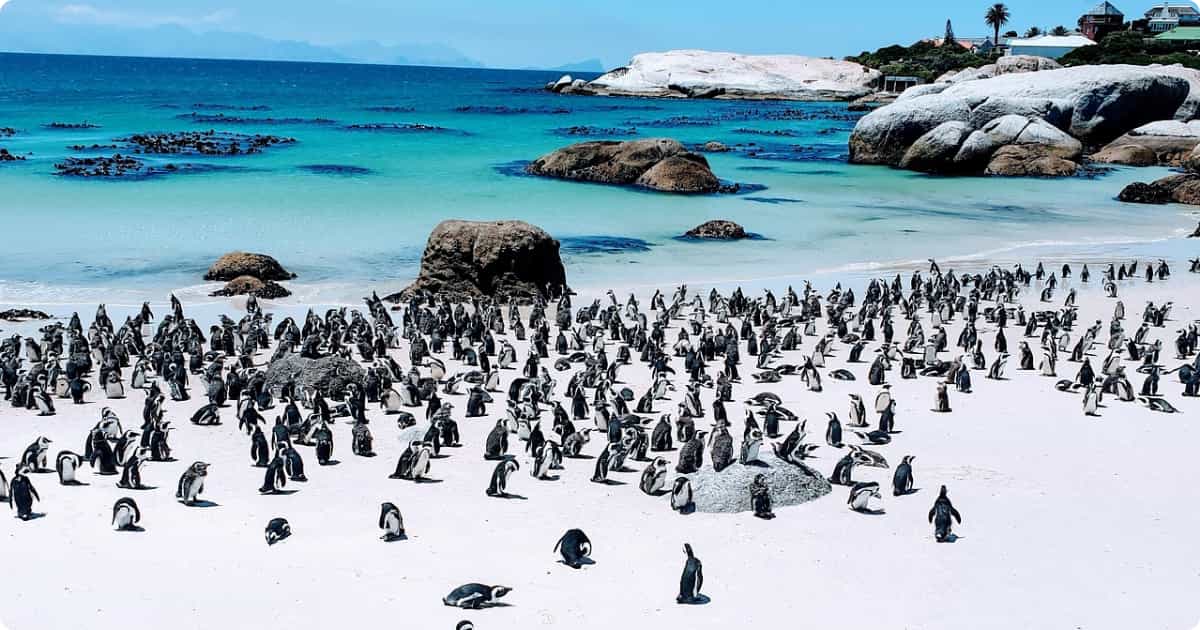
Two breeding pairs arrived at Boulders Beach in 1982. Today, roughly 3,000 African penguins share that same sheltered cove with swimmers, day-trippers, and anyone willing to make the 45-minute drive from Cape Town.
The problem is that most visitors arrive at the wrong time, park at the wrong lot, and leave having only seen half the experience. The two-beach system Foxy Beach for boardwalk viewing, Boulders Beach for swimming confuses nearly everyone. So does the ticketing, the crowd windows, and the question of whether it’s actually worth R245.
This guide settles all of it: fees, timing, which beach to use, and how to build Boulders into a Cape Peninsula day that earns its place as a trip highlight.
QUICK ANSWER:
Boulders Beach is a sheltered Simon’s Town cove, 45 minutes from Cape Town, home to 2,000–3,000 wild African penguins. International entry costs R245 per adult. Arrive before 9am or after 3pm to avoid crowds. Swimming happens at Boulders Beach boardwalk viewing is at adjacent Foxy Beach.
What Is Boulders Beach? (And Why It’s Worth the Drive)
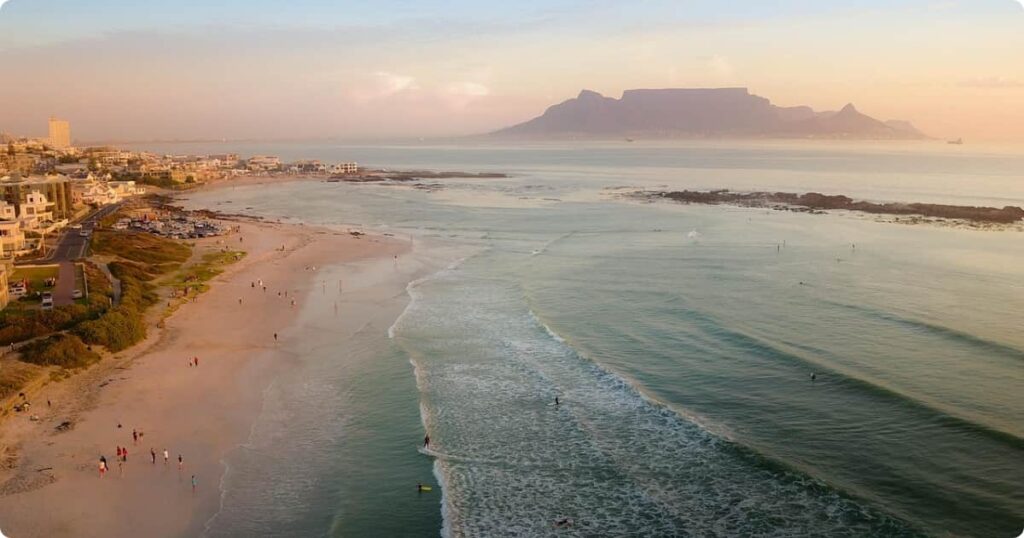
Boulders Beach is a protected cove on the Cape Peninsula, tucked just outside Simon’s Town on the shores of False Bay. It sits inside the Table Mountain National Park Marine Protected Area.
- Choose it as your one unmissable Cape Town wildlife stop — nothing else compares
- Expect massive smooth granite boulders sheltering calm, shallow water
- Note it’s 41km (25 miles) from Cape Town city centre — allow 45–60 minutes driving
- Combine it with Cape Point and Chapman’s Peak for a full peninsula day
- Know it was ranked among the Top 10 Best Beaches in the World at the 2026 Tripadvisor Travelers’ Choice Awards
The beach earned that recognition for a simple reason: nowhere else on Earth can you swim in calm, clear water while a wild penguin investigates your ankles. It’s genuinely that good.
The African Penguin: What You’re Actually Looking At
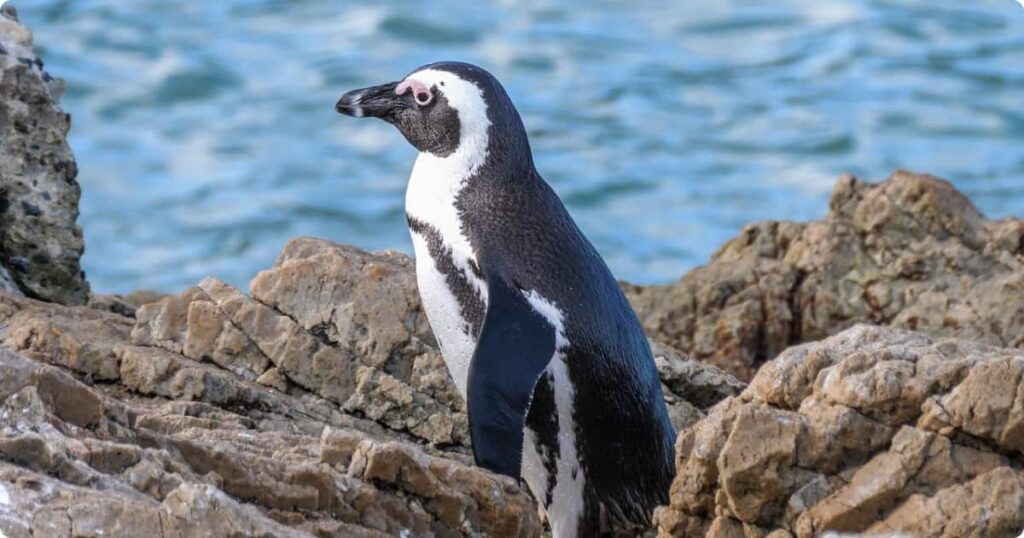
African penguins are the only penguin species that breeds on the African continent and they’re critically endangered. Understanding what you’re watching makes the experience hit harder.
- Size: 60–70cm tall — smaller than most first-timers expect
- Call: A loud braying sound, which is why they were once called “jackass penguins”
- Vision: Near-sighted on land, but exceptional underwater hunters
- Diet: Sardines and anchovies — the same fish that fuel False Bay’s ecosystem
- Status: Critically endangered, with the colony declining from historical numbers
INSIDER SECRET: Penguins are most active in two windows shortly after sunrise when they head to sea, and late afternoon when they return from feeding. Time your visit for either window and you’ll see far more behavior than midday visitors ever do.
The colony at Boulders started from just two breeding pairs in 1982. It grew to roughly 3,000 birds a conservation success, though numbers have fluctuated in recent years due to overfishing and habitat pressure.
Boulders Beach Entry Fee & Tickets (2026 Prices)
| Visitor Type | Adult | Child |
|---|---|---|
| International Visitors | R245 | R120 |
| SADC Nationals | R110 | R55 |
| South African Citizens | R45 (SA ID required) | R20 |
| 2026 SANParks rates. Card payment only — no cash accepted at the gate. | ||
Entry is managed by SANParks (South African National Parks). The ticket system is cashless bring a debit or credit card only.
International Visitor Pricing
- Adults: R245 per person
- Children: R120 per child
- Cards only no cash accepted at the gate
South African & SADC Pricing
- South African adults: R45 (bring your SA ID)
- South African children: R20
- SADC nationals: R110 adults / R55 children
How to Buy Tickets
- Buy at the gate: Queue at the Visitor Centre can take 15+ minutes at peak times
- Skip the line: Arrive before 8am or purchase online via SANParks in advance
- Note: Pre-purchased ticket holders can often bypass the main queue
The conservation fees fund SANParks management and go directly toward protecting the colony and its habitat. It’s money well spent.
Best Time to Visit Boulders Beach
| Time / Season | Crowds | Penguins | Swimming | Verdict |
|---|---|---|---|---|
| Before 9am (any season) | Low | Very active | Seasonal | ✅ Best time of day |
| After 3pm (any season) | Medium | Active (returning from sea) | Seasonal | ✅ Strong second option |
| 10am–2pm (any season) | High | Low activity | Seasonal | ❌ Avoid if possible |
| December–March (Summer) | Very High | Good | Best (19–21°C) | Best for swimming |
| November–January (Moulting) | Medium–High | Excellent (on land longer) | Possible | Best for penguin viewing |
| March onwards (Breeding) | Medium | Excellent (chicks visible) | Possible | Best for family visits |
| June–August (Winter) | Low | Good | Cold (not recommended) | Best for crowd-free visit + whales |
Best Time of Day
Getting the timing right is the single biggest difference between a magical visit and a sweaty, crowded one.
- Arrive before 9am: Fewest crowds, best parking, most active penguins
- Arrive after 3pm: Second-best window — penguins return from feeding
- Avoid 10am–2pm: Peak crowd hours, hottest temperatures, least penguin activity
- Check parking early: Both car parks fill quickly — weekends especially
- Late afternoon bonus: Golden light makes for the best photography
Viewing areas open at 7am or 8am depending on the season. Early arrival rewards you with penguins actively heading to sea — far more dynamic than watching them snooze at midday.
Best Season to Visit
- November–August: Colony most active; best overall sightings guaranteed
- December–March: Warmest water for swimming; peak crowds follow
- November–January (moulting): Penguins stay on land longer easier to spot
- March onwards: Fluffy chicks visible as breeding season produces young
- June–August (winter): Quieter crowds; bonus whale sightings from the kayak tour
Summer brings swimming conditions and blue skies. Winter brings solitude and whales. Both are genuinely worth considering.
How to Get to Boulders Beach
By Car (Recommended)
Driving gives you full control over timing and allows you to combine Boulders with the rest of the Cape Peninsula.
- Route 1: City Centre → Southern Suburbs → Constantia Valley → Kalk Bay → Simon’s Town (most direct)
- Route 2: Camps Bay → Hout Bay → Chapman’s Peak Drive → Noordhoek → Simon’s Town (spectacular, scenic)
- Drive time: 45–60 minutes from Cape Town CBD depending on traffic
- Parking: Two free car parks Seaforth Beach lot (north side) or Bellevue Road lot (south side)
- Tip: Bellevue Road lot is closer to the swimming beach; Seaforth lot is closer to the Visitor Centre
Roads are well-maintained and driving is straightforward once you’re clear of the city centre.
By Train or Tour
- Train: Metrorail runs Cape Town to Simon’s Town along a scenic coastal route budget option, scenic, but less flexible
- City Sightseeing: The Cape Point Explorer bus stops at Boulders en route to Cape Point
- Small group tours: Chapman’s Peak route access (large buses can’t use that road); typically 5 hours return
- Kayak tours: Book separately available from Simon’s Town, includes penguin paddling and winter whale spotting
If you want to pair Boulders with Cape Point, a small group tour handles all logistics and routing efficiently.
The Two Beaches: Boulders vs Foxy Beach
This is the detail most visitors don’t know and it changes everything about planning your visit. There are actually two distinct experiences here.
Foxy Beach (Boardwalk Viewing)
Foxy Beach is accessed through the main Visitor Centre after paying the entrance fee.
- Access: Through the Visitor Centre gate, via two flanking boardwalks
- Experience: Elevated viewing platforms overlooking the main penguin colony on the beach
- Distance: Short walk from the gate — 5 minutes maximum
- Signage: Informative panels explain penguin biology and conservation
- Boardwalk choice: Take Boardwalk 1 (no steps) for easier access
This is where most visitors go. You look down at hundreds of penguins on the sand below. It’s excellent. But it’s not the whole story.
Boulders Beach (Swimming With Penguins)
This is the hidden gem and it requires a different route entirely.
- Access: Via Willis Walk boardwalk, starting to the right of the Visitor Centre
- Park at: Bellevue Road lot for direct access; or walk 7 minutes from Seaforth Square lot
- Experience: You descend to the actual beach and swim among the granite boulders with penguins in the water
- Pay station: Located near the end of Willis Walk, before the Bellevue Road parking lot
- Water temp: Peaks around 19–21°C (66–70°F) in summer cool but swimmable
Penguins approach swimmers out of curiosity. They will investigate. They will also bite if you reach toward them which you should never do. Watch, float, enjoy.
Can You Swim at Boulders Beach?
Yes but only at the Boulders Beach cove itself, not at Foxy Beach. The water is calm, sheltered by the granite boulders, and clear.
- Swim season: December–March for warmest water (19–21°C / 66–70°F)
- Year-round: Swimming is technically possible but water is cold outside summer
- No kayaks or vessels: Prohibited in the cove to protect marine life
- Penguins approach freely: Don’t chase or reach toward them they will defend themselves
- Facilities: No facilities on the beach itself bring water, towels, and sun protection
The False Bay side of the peninsula is warmer than the Atlantic side. That said, 19°C is still brisk by Caribbean standards most swimmers acclimatise quickly.
Visiting Responsibly: Rules & Conservation
The African penguin is critically endangered. Boulders exists because of strict management and that management depends on visitors following the rules.
- Stay on boardwalks in the viewing area — nests are hidden in vegetation beside the path
- Never touch or feed penguins — human food harms them; they bite when threatened
- No alcohol or smoking on site — rangers enforce this actively
- No vessels in the cove — kayaks and canoes are prohibited to reduce disturbance
- Respect distance — if penguins retreat to the fenced area, you’re too close
The colony faced serious pressure from overfishing in False Bay. A ban on commercial pelagic trawling in the bay helped stabilise sardine and anchovy stocks a direct conservation win. Your entrance fee funds ongoing SANParks management of this protected area. Treating it seriously matters.
What to Bring & Practical Tips
- Card only: No cash accepted at the gate debit or credit card required
- Arrive early: Before 9am for best parking, smallest crowds, most active penguins
- Sunscreen: Reef-safe preferred you’re in a marine protected area
- Layers: Ocean breeze on the Cape Peninsula is cool even in summer
- Towel and water: No facilities at the swimming beach bring everything you need
- Camera with zoom: You can photograph well from the boardwalk without needing to get close
- Tip the car guard: R5–R10 is standard if they’ve assisted you
Budget 1.5–2 hours for a relaxed visit covering both beaches. Add time if you plan to swim. Factor in Simon’s Town for lunch it’s a genuine historic town worth 30–45 minutes.
For a full day out, pair Boulders with Cape Town’s wine regions or the Cape Point coastal drive both of which our guides cover in detail.
The Verdict
Boulders Beach delivers something rare: a genuine wildlife encounter that’s accessible, well-managed, and genuinely moving. The African penguin is critically endangered watching a colony of 3,000 live beside a Cape Peninsula suburb, protected and thriving, carries real weight.
Our research consistently shows travelers rank it among their top South Africa memories ahead of many things that cost far more. Go early, use both beaches, swim if the season allows, and pair it with Cape Point for a full-day loop that covers some of the most spectacular coastline on Earth.
