

We’ve spent months researching exactly what an African safari costs — and the number that comes back first is almost never the number you’ll actually pay.
Most travelers start their safari search, see a headline price of $300 per day, and assume they’ve found their budget. Then the flights hit. Then the park fees. Then the tips. By the time the credit card bill arrives, the real number is twice what they expected — and nobody warned them.
This guide breaks it all down: budget, mid-range, and luxury costs by destination, every hidden fee operators bury in fine print, and exactly how to plan a safari that won’t blow your entire travel fund.
QUICK ANSWER: An African safari costs $150–$2,000+ per person per day, excluding flights. Budget safaris run $150–$350/day; mid-range $350–$700/day; luxury $700–$2,000+/day. A complete 7–10 day trip including flights from the US typically costs $4,000–$15,000 per person depending on destination and comfort level.
What Does an African Safari Cost? (The Real Numbers)
| Safari Tier | Daily Cost (Per Person) | Accommodation | Vehicle | Guides | Best For |
|---|---|---|---|---|---|
| Budget | $150–$350 | Basic tented camp or lodge; shared bathrooms | Shared 4WD or pop-top minibus (4–7 people) | Group guide; set departure times | First-timers on a tight budget; flexible travelers |
| Mid-Range | $350–$700 | En-suite tented camp or mid-tier lodge; private bathroom | Dedicated 4WD (4–6 people); flexible timing | FGASA-certified guide; morning and evening drives | First-timers wanting quality; couples; small groups |
| Luxury | $700–$2,000+ | Exclusive private concession camp; suite with plunge pool | Private vehicle; fully flexible; night drives available | Expert naturalist guide + tracker; bespoke itinerary | Bucket-list travelers; repeat safari-goers; special occasions |
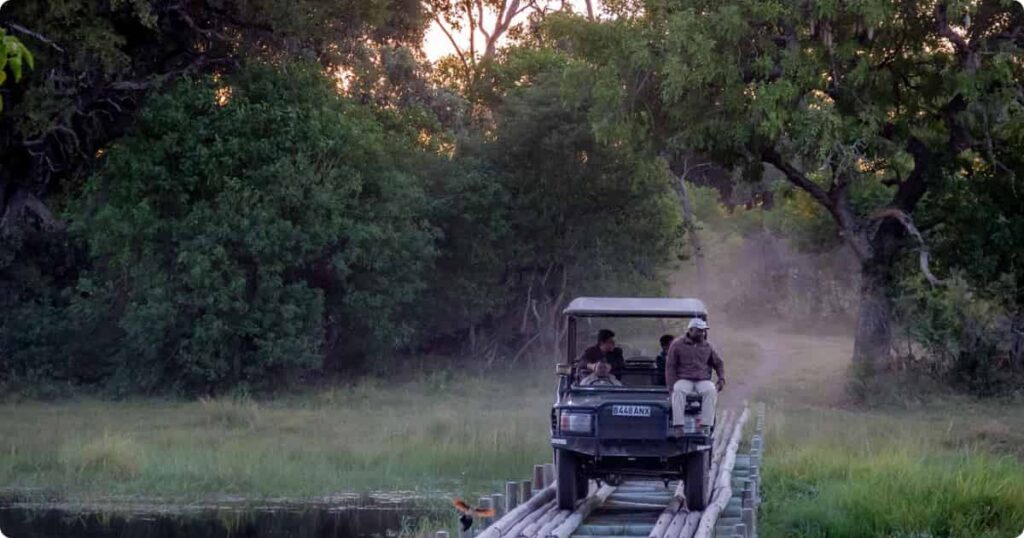
Safari pricing falls into three clear tiers. Knowing which tier matches your priorities is the most important decision you’ll make.
- Choose budget if: you want wildlife over comfort and can share vehicles
- Choose mid-range if: you want private drives, en-suite tents, and solid guides
- Choose luxury if: exclusivity, remote camps, and gourmet meals matter to you
- Avoid: any package that won’t tell you exactly what’s included before you pay
Budget Safari Cost
Budget safaris run $150–$350 per person per day, all-in for accommodation, meals, and game drives. These typically use shared 4WD vehicles with 4–7 other travelers, basic tented camps or lodges with shared bathrooms, and set departure times rather than flexible private drives.
South Africa’s Kruger National Park is the best entry point for budget safari. Self-drive options start at $120/day including a rest camp bungalow. Group joining safaris in Kenya and Tanzania start around $180/day during shoulder season.
The trade-off is real: middle seats in pop-top minibuses genuinely limit sightings. If you book budget, pay extra to guarantee a window seat or choose operators with a strict maximum of six passengers per vehicle.
Mid-Range Safari Cost
Mid-range safaris cost $350–$700 per person per day and represent the sweet spot for most first-time travelers. Expect private en-suite tented camps, dedicated vehicles, experienced FGASA-certified guides, and all meals included.
At this level, the wildlife experience is excellent. You get flexibility — staying longer at sightings, going off-road where permitted, and doing both morning and evening drives. Tanzania and Kenya mid-range packages typically fall in the $400–$600/day range during peak season.
Luxury Safari Cost
Luxury safaris run $700–$2,000+ per person per day. This tier buys you remote private concessions with low guest density, expert naturalist guides, night game drives (prohibited in national parks), and amenities like private plunge pools and gourmet bush dinners.
Botswana’s Okavango Delta and Zambia’s South Luangwa represent the gold standard here. These destinations strictly limit visitor numbers — that exclusivity is what drives the price. For many travelers, one week at a top-tier luxury camp is a once-in-a-decade trip worth every dollar.
African Safari Cost by Destination
| Destination | Daily Cost Range | Park Entry Fee | US Flights (Round-Trip) | Best Budget Option | Verdict |
|---|---|---|---|---|---|
| South Africa | $120–$800/day | $27/day (Kruger) | $1,000–$2,000 | Self-drive Kruger from $120/day | Best value; most accessible for first-timers |
| Kenya | $200–$1,500/day | $100/day (Maasai Mara) | $1,100–$2,500 | Group joining safari from $200/day | Classic experience; higher park fees post-2024 |
| Tanzania | $200–$2,000/day | $80/day + $71/night concession (Serengeti) | $1,100–$2,500 | Budget camping from $200/day | Great Migration; complex fees — verify inclusions |
| Botswana | $400–$2,500/day | Included in most packages | $1,200–$2,800 | Moremi camping from $400/day | Premium exclusivity; best above $1,000/day budget |
| Uganda | $200–$800/day + permit | $40/day (Queen Elizabeth NP) | $1,200–$2,500 | Game drives from $200/day | Budget gorilla permit separately — $800/person |
Destination is the single biggest variable in your safari budget. Prices vary dramatically — not because the wildlife is better in expensive destinations, but because of park infrastructure, access, and exclusivity policies.
South Africa Safari Cost
Daily cost: $120–$800 per person
South Africa is Africa’s most accessible safari destination for first-timers — and its most affordable.
- Self-drive Kruger starts at $120/day including rest camp accommodation
- Guided budget safaris run $200–$350/day
- Private game reserves (Sabi Sands, Timbavati) cost $500–$1,500/day
- Park entry fees: $27/day for international visitors — among Africa’s lowest
- Flights from the US: $1,000–$2,000 round-trip to Johannesburg
South Africa’s strength is flexibility. You can self-drive Kruger for a week at a fraction of what a guided East Africa trip costs, and the Big Five sightings are world-class. Our guide to Sabi Sands vs Kruger breaks down exactly when to spend more.
Kenya Safari Cost
Daily cost: $200–$1,500 per person
Kenya is the classic safari destination — and prices reflect that status.
- Budget group safaris: $200–$330/day during shoulder season
- Mid-range lodges in Maasai Mara: $400–$700/day during peak season
- Luxury camps in private conservancies: $800–$1,500/day
- Maasai Mara park fees: $100/day (post-2024 increase — budget for this)
- Flights from the US: $1,100–$2,500 round-trip to Nairobi
INSIDER SECRET: Book a conservancy camp just outside the Maasai Mara rather than inside the reserve. You pay lower park fees, get night drives (banned inside the reserve), and see the same animals crossing the same plains — for 20–40% less per night.
Tanzania Safari Cost
Daily cost: $200–$2,000 per person
Tanzania hosts the Great Wildebeest Migration — the world’s largest animal movement — and prices during peak Migration season (July–October) reflect the demand.
- Budget camping safaris in Serengeti: $200–$350/day
- Mid-range lodges: $400–$700/day
- Luxury Serengeti camps during Migration: $1,000–$2,000/day
- Serengeti park fees: $80/day plus $71/night concession fee for in-park camps
- A 10-day Tanzania safari typically totals $3,000–$14,000 per person excluding flights
Tanzania’s park fee structure is among Africa’s most complex. A 10-day Serengeti trip can accumulate $800–$1,500 in park and conservation fees alone. Confirm these are included in any package before signing.
Botswana Safari Cost
Daily cost: $400–$2,500 per person
Botswana is expensive — by design. The government’s high-cost, low-volume tourism policy limits visitor numbers and funds conservation. You pay more and see far fewer people.
- Budget camping in Moremi Game Reserve: $400–$600/day
- Standard fly-in camps in Okavango Delta: $700–$1,200/day
- Top-tier luxury concessions: $1,500–$2,500/day
- Most camps are fly-in only — add $300–$600 per internal flight
If your budget is over $1,000/day, Botswana delivers an experience that rivals anywhere in Africa. Under that, the value equation doesn’t stack up well against South Africa or Kenya.
Uganda Safari Cost
Daily cost: $200–$800 per person (excluding gorilla permit)
Uganda combines standard game drives with the continent’s most extraordinary wildlife encounter: mountain gorilla trekking in Bwindi Impenetrable Forest.
- Standard game drives in Queen Elizabeth NP: $200–$400/day
- Mid-range lodges: $300–$600/day
- Gorilla trekking permit: $800 per person — booked separately, months in advance
- Chimpanzee tracking permit: $200 per person
- A 6-day Uganda gorilla and safari combo: $3,500–$5,500 per person excluding flights
The $800 gorilla permit is non-negotiable and non-refundable. Budget for it first, then build the rest of your itinerary around it.
The Hidden Costs Nobody Warns You About
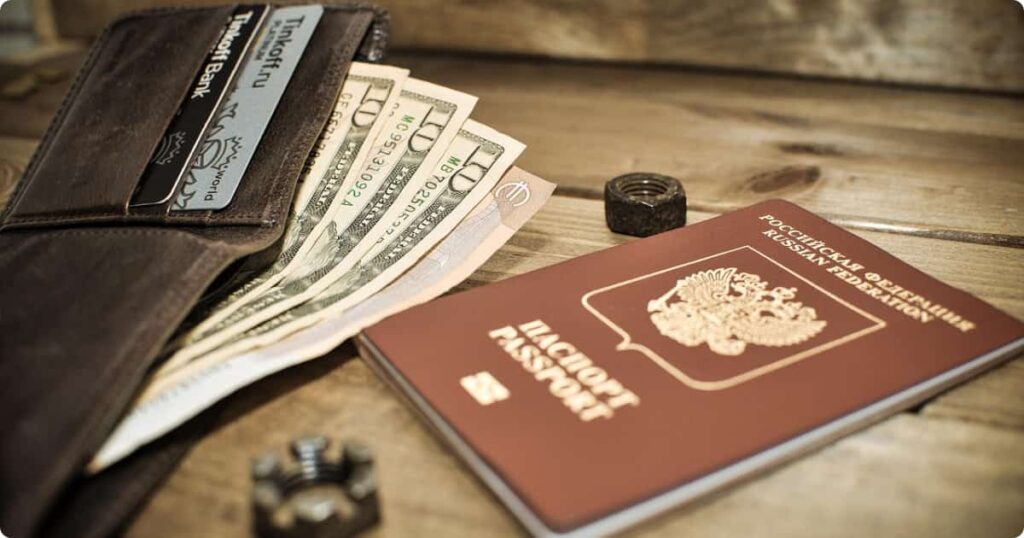
Every safari quote you’ll receive excludes several significant costs. Here’s what operators routinely bury in the fine print.
International Flights
Flights are typically the largest single expense — and the most overlooked.
- US to South Africa (Johannesburg): $1,000–$2,000 round-trip
- US to Kenya (Nairobi) or Tanzania (Kilimanjaro): $1,100–$2,500 round-trip
- Peak season (July–August, December): add 30–50% to these estimates
- Internal charter flights (common in Botswana, Tanzania): $300–$600 per leg
Book international flights 4–6 months out. Internal flights within Africa should be booked immediately after confirming your safari itinerary — seat availability is limited.
Visas, Vaccinations & Travel Insurance
These costs are easy to forget and add up fast.
- East Africa Tourist Visa (Kenya + Uganda + Rwanda): $100 per person
- Tanzania visa: $50 per person
- South Africa: no visa required for US and UK citizens (up to 90 days)
- Yellow fever vaccination: required for Uganda and recommended for East Africa — $150–$300 if not covered by insurance
- Malaria prevention medication: $50–$120 for a 10-day course
- Travel insurance with medical evacuation coverage: $150–$400 per person — non-negotiable on safari
Medical evacuation from a remote safari camp can cost $50,000 or more without insurance. This is not optional.
Tips, Drinks & Extras
- Guide tips: $15–$20 per person per day — budget this from day one
- Camp staff tips: $5–$10 per person per day
- Premium drinks (outside standard house selection): $5–$15 per drink at luxury camps
- Laundry: $5–$20 per bag at remote camps
- Souvenirs and curios: $50–$300 depending on willpower
- Hot-air balloon safari (Kenya/Tanzania): $500–$600 per person — worth every cent
Total hidden costs for a 10-day trip: $800–$2,500 per person, depending on destination and choices.
What Drives Safari Prices Up (Or Down)
Understanding the pricing levers helps you spend smarter.
- Season: Peak season (July–October, December–January) adds 30–50% to lodge rates
- Group size: Private safaris cost more per person — but deliver a better experience
- Vehicle type: Shared minibuses seat 7–9; dedicated 4WDs seat 4–6 with guaranteed window seats
- Location within a destination: Remote private concessions cost more than national park lodges
- Inclusions: All-inclusive covers meals, drives, and house drinks; “room only” rates add up fast
- Booking channel: International operators add 15–30% markup over booking direct with local ground operators
The single biggest cost driver is accommodation level. Upgrading from budget to mid-range adds $150–$300/day. Upgrading from mid-range to luxury adds $300–$1,000/day. Decide on your accommodation tier first — everything else is negotiable.
How to Cut Safari Costs Without Ruining the Trip
Reducing safari cost doesn’t mean reducing the experience — if you know where to cut.
- Travel shoulder season: April–June in East Africa and November in Southern Africa cuts lodge rates 20–40%
- Book a joining safari: Share vehicles and camp costs with other travelers — saves 30–50% vs private
- Choose fewer parks: Two or three parks done well beats six parks rushed — and saves on park fees and transfer costs
- Self-drive Kruger: South Africa’s road network makes self-drive safe and genuinely half the cost of guided
- Skip the middleman: Book directly with local operators rather than through international booking platforms
- Drop the extras: A hot-air balloon is incredible, but a focused game drive at dawn delivers comparable wildlife encounters
The one cost never to cut: accommodation safety standards and guide quality. A mediocre guide in a great park will give you a fraction of the sightings a skilled tracker would find.
How Much Does a 10-Day Kenya Safari Cost?
| Cost Category | Budget Trip | Mid-Range Trip | Luxury Trip |
|---|---|---|---|
| Safari Package (accommodation, meals, drives, park fees) | $2,200–$3,000 | $4,500–$6,500 | $9,000–$14,000 |
| International Flights (US → Nairobi, round-trip) | $1,200–$1,800 | $1,200–$1,800 | $1,500–$3,000 |
| Visa (East Africa Tourist Visa) | $100 | $100 | $100 |
| Vaccinations + Malaria Prophylaxis | $100–$200 | $100–$200 | $100–$200 |
| Travel Insurance (with medical evacuation) | $200–$300 | $200–$300 | $200–$500 |
| Guide & Staff Tips ($20–$30/day) | $200–$300 | $200–$300 | $300–$500 |
| Extras (drinks, souvenirs, optional activities) | $100–$200 | $300–$500 | $500–$1,000 |
| TOTAL (Per Person) | $4,100–$5,900 | $6,600–$9,700 | $11,700–$19,300 |
Kenya is the most-searched safari destination for first-timers from the US and UK. Here’s a real-world breakdown for a 10-day trip in 2026.
Budget (group joining safari):
- Safari package: $2,200–$3,000 per person
- International flights: $1,200–$1,800
- Visa + vaccinations + insurance: $400–$600
- Tips and extras: $300–$500
- Total: $4,100–$5,900 per person
Mid-range (private vehicle, mid-tier lodges):
- Safari package: $4,500–$6,500 per person
- International flights: $1,200–$1,800
- Visa + vaccinations + insurance: $400–$600
- Tips and extras: $500–$800
- Total: $6,600–$9,700 per person
Luxury (private concession camps):
- Safari package: $9,000–$14,000 per person
- International flights: $1,500–$3,000 (business class common at this tier)
- Visa + vaccinations + insurance: $400–$800
- Tips and extras: $800–$1,500
- Total: $11,700–$19,300 per person
These are real numbers — not operator minimums. The budget figure is achievable. The mid-range figure is what most first-timers from the US and UK actually spend.
Is an African Safari Worth the Money?
Travelers who have done it almost universally say yes. But “worth it” depends entirely on expectations.
- A budget safari in South Africa delivers 80% of the experience at 30% of the luxury price
- The Great Migration in Tanzania justifies mid-range and above — budget camps during peak Migration season are often crowded and rushed
- One exceptional guide in a mid-range camp will outperform three mediocre guides at a luxury property
- Safari is a volume game: more game drive hours consistently outperforms a fancier lodge
- Solo travelers pay a single supplement — often 30–50% more per night — factor this in early
For most travelers, the question isn’t whether safari is worth it. It’s whether they’ve left enough budget for the follow-up trip — because almost nobody goes just once. Our honest breakdown in Best Safari Destinations in Africa: Complete Ranked Guide helps narrow down which country delivers the best value for your specific goals.
The Verdict
An African safari is genuinely one of the most transformative travel experiences on the planet — and it doesn’t have to cost a fortune. Our research shows a first-timer can have an exceptional experience in South Africa’s Kruger for $4,000–$6,000 total from the US. Kenya and Tanzania mid-range trips land at $7,000–$10,000 all-in and deliver the iconic East Africa experience most travelers picture. Luxury camps in Botswana and the private Sabi Sands sit above $15,000 — and deliver experiences that justify every cent for those who can reach that budget. The variable that matters most isn’t how much you spend. It’s whether you’ve read the full inclusions list, budgeted for the hidden costs, and chosen a reputable operator with certified guides. Do those three things and any tier delivers a trip you’ll never stop talking about.
