

We’ve spent years researching South Africa’s safari landscape, and one question comes up more than any other: Sabi Sands or Kruger?
Most travelers don’t realize how different these two experiences actually are. They share a border and many of the same animals — but the safari you get inside each one feels like a completely different product.
This guide breaks down every meaningful difference, gives you four clear decision triggers, and shows you when doing both is actually the smartest move.
QUICK ANSWER: Sabi Sands delivers unmatched wildlife intimacy — expert guides, off-road access, and near-guaranteed leopard sightings — but costs $1,500–$3,700+ per person per night. Kruger offers freedom, diversity, and affordability from under $200/night. Budget travelers and self-drive enthusiasts: choose Kruger. Luxury seekers wanting maximum Big Five impact: choose Sabi Sands.
What Are Sabi Sands and Kruger, Exactly?
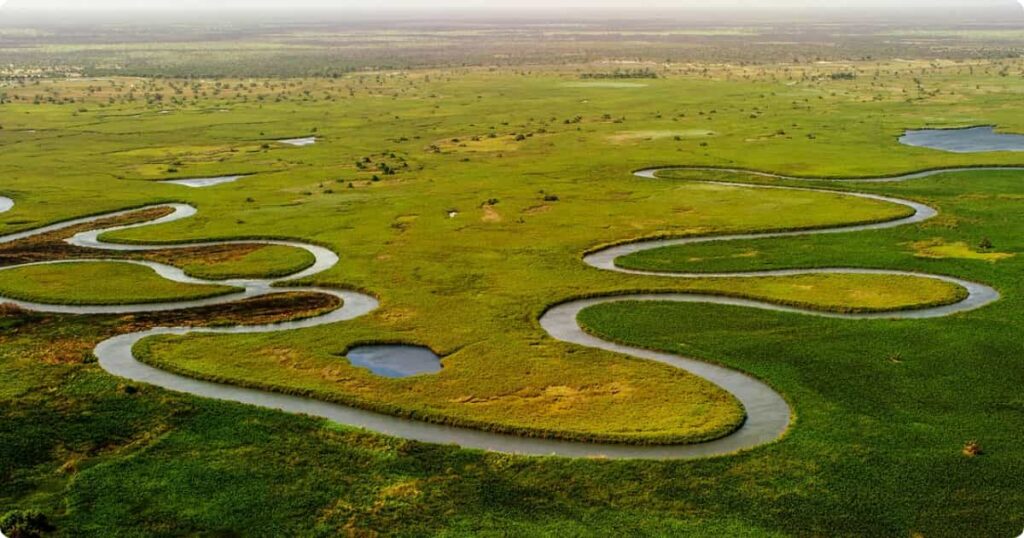
Both destinations sit in the same Greater Kruger ecosystem in South Africa’s Limpopo and Mpumalanga provinces. That shared geography, however, is where the similarities end.
- Kruger covers over 19,485 km² — roughly the size of Belgium — and is a public national park
- Sabi Sands is a 65,000-hectare private reserve bordering Kruger’s southwestern edge
- The two share an unfenced boundary, so animals roam freely between them
- Sabi Sands was established in 1934 by a group of private landowners, six families of whom still own the land today
- Access to Kruger is open to all; access to Sabi Sands is exclusive to lodge guests only
- Sabi Sands is one of several private reserves forming the Greater Kruger area, alongside Timbavati and Manyeleti
Because no fences divide them, the wildlife is identical. The difference is entirely in how you experience it.
The Game Drive Experience: Private Reserve vs National Park
| Feature | Sabi Sands | Kruger National Park |
|---|---|---|
| Off-road driving | ✅ Yes — fully permitted | ❌ No — roads only |
| Dedicated tracker | ✅ Yes — every drive | ❌ No |
| Radio sighting network | ✅ Yes — real-time | ❌ Not permitted |
| Vehicle type | Open 4×4 (6–8 guests) | Open 4×4 (guided) or closed car (self-drive) |
| Max vehicles per sighting | 3–5 vehicles | Unlimited — 20+ possible |
| Night drives | ✅ Intimate — small group | ⚠️ Available — large group truck |
| Self-drive option | ❌ Not permitted | ✅ Yes — full flexibility |
| Drives per day | 2 (morning + evening) | Unlimited (self-drive) / 2 (guided) |
This is the biggest practical difference between the two destinations — and it shapes everything else.
Off-Road Access and Tracking
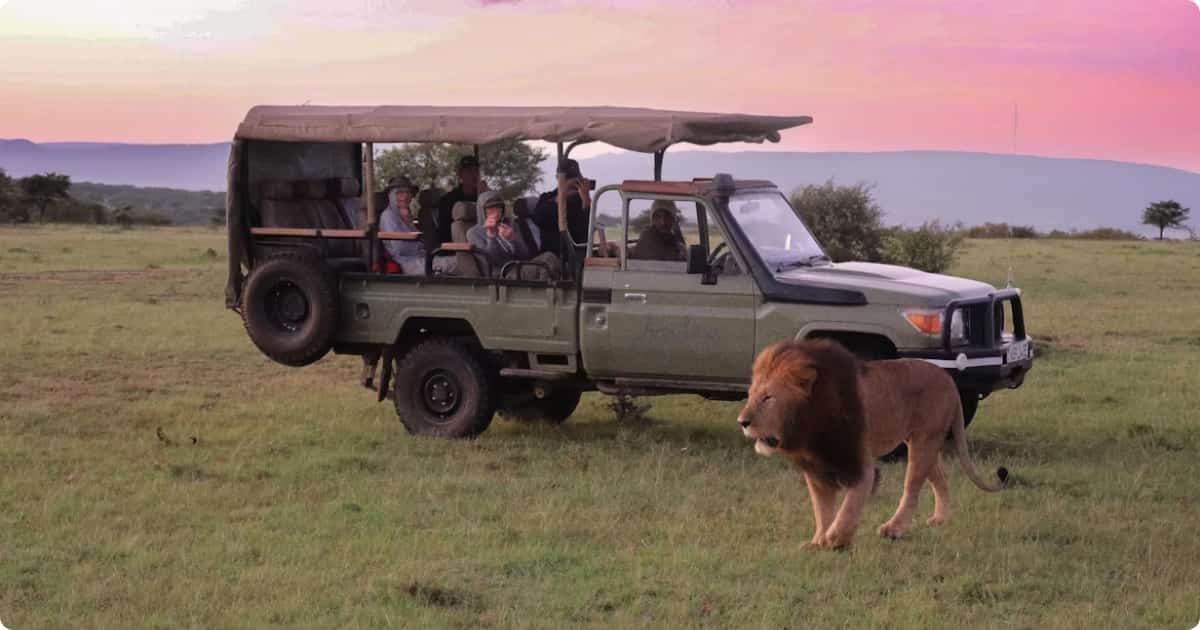
In Kruger, all vehicles must stay on designated roads. In Sabi Sands, guides can drive off-road entirely to track animals through the bush.
- Skip Kruger’s roads if watching a leopard through distant vegetation frustrates you
- Choose Sabi Sands for rangers who use radio networks to share live animal locations
- Expect a tracker alongside your ranger in Sabi Sands — a dedicated specialist reading prints, sounds, and broken grass
- Avoid self-drive if you want close encounters; animals rarely approach stationary cars on open roads
- Use Sabi Sands off-road access to reach sightings that road-bound vehicles simply cannot get to
INSIDER SECRET: Sabi Sands rangers communicate sightings across the reserve by radio in real time. When a leopard is spotted, every lodge guide heads straight to it — often within minutes. This system is why leopard sighting rates in Sabi Sands are so extraordinarily high.
Vehicle Size and Crowd Control
The vehicle and crowd experience in each destination is radically different.
- Sabi Sands limits vehicles per sighting — typically three to five maximum
- Kruger has no limit, meaning popular sightings can attract 20+ vehicles simultaneously
- Open-air game vehicles are standard in Sabi Sands, giving you full sensory immersion
- Self-drive in Kruger means a closed vehicle, which reduces the bush atmosphere considerably
- Guided Kruger drives use open vehicles — a significant upgrade over self-drive
The exclusivity of Sabi Sands isn’t just about luxury. Fewer vehicles at each sighting means longer time with the animals and far better photographs.
Night Drives
After-dark safaris reveal a completely different ecosystem — and the two destinations handle them very differently.
- Sabi Sands night drives are standard, intimate, and conducted with your personal guide and tracker
- Kruger night drives are available at main camps but typically load 20+ guests into a large truck
- Expect spotlighting on both — guides scan for eyeshine from lions, civets, and hyenas
- Book night drives early in Kruger; space at main camp drives fills quickly during peak season
- Choose Sabi Sands if nocturnal wildlife — genets, porcupines, leopards hunting — is a priority
Wildlife: What You’ll Actually See at Each
Both destinations are home to the Big Five: elephant, lion, leopard, rhino, and buffalo. However, the quality and consistency of sightings differ significantly.
Big Five and Leopard Sightings
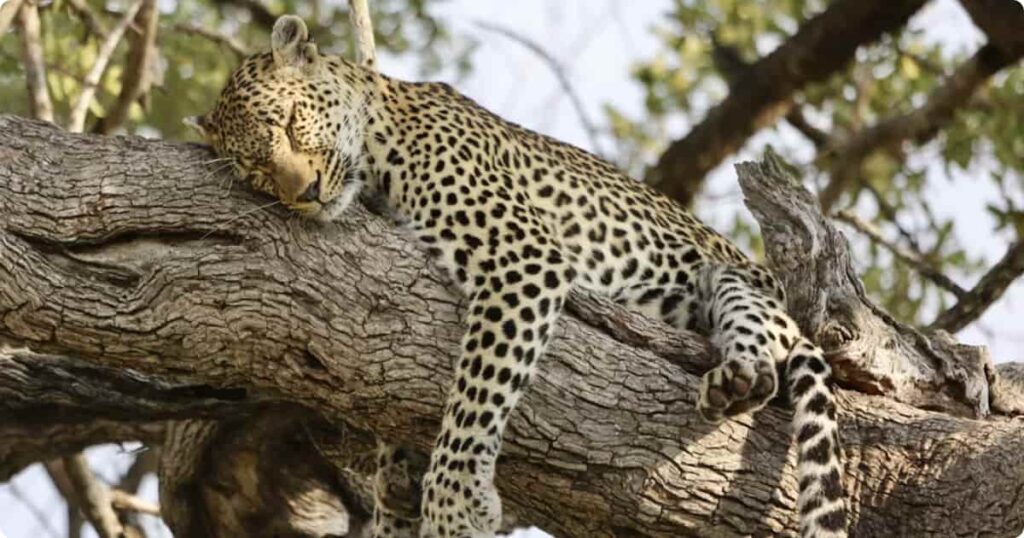
Sabi Sands has one of the highest leopard population densities in Africa — and the sighting rates to match.
- Leopard sightings in Sabi Sands are nearly guaranteed over a 3-night stay
- Sabi Sands leopards have been habituated to vehicles for decades — they ignore the jeeps entirely
- Kruger leopards exist in good numbers but are far more elusive; sightings require significant luck
- Lion sightings are strong in both, but Sabi Sands offers more controlled, close encounters
- Rhino — both white and black — are present in Kruger and Sabi Sands; population numbers fluctuate due to ongoing poaching pressure
For travelers whose bucket list centers on leopard encounters specifically, Sabi Sands is in a category of its own.
Diversity and Sheer Volume
Kruger’s scale creates wildlife diversity that no private reserve can replicate.
- Kruger’s 2-million-hectare size supports ecosystems from dense southern bush to open northern mopane woodland
- 400+ bird species have been recorded in Kruger — serious birders find it exceptional
- Wild dogs are more reliably spotted on Kruger’s larger territory
- General game — impala, zebra, giraffe, wildebeest — is abundant throughout Kruger
- Cheetah sightings are possible in both but more common in Kruger’s open central plains
If raw volume and variety of species matter to you, Kruger’s scale is impossible to beat.
Accommodation: Luxury Lodge vs Bush Camp
Where you sleep shapes the entire emotional register of your safari.
Sabi Sands Lodges (Lion Sands, Singita, Londolozi)
Sabi Sands is home to some of the most celebrated safari lodges on earth.
- Lion Sands River Lodge sits on the Sabie River with private plunge pools and unfenced walkways
- Singita Boulders and Ebony set the global benchmark for ultra-luxury safari design
- Londolozi is a family-owned institution famous for its leopard research and conservation legacy
- MalaMala offers the largest private traversing area in Sabi Sands — 13,000 hectares
- All meals, game drives, and most drinks are included in lodge rates across the reserve
- No fences surround most lodges — an armed escort walks you to your suite after dark
The unfenced environment is not a gimmick. Elephants walk through camp. Hippos graze on the lawns at night. The bush does not stop at your door.
Kruger Rest Camps and Concessions
Kruger’s accommodation spectrum is wide — from basic SANParks camps to genuine luxury.
- Skukuza Rest Camp is the largest, with a shop, restaurant, and bungalow accommodation from around $155/night
- SANParks camps are fenced, clean, and functional — not luxury, but entirely comfortable
- Private concessions inside Kruger — like Jock Safari Lodge or Hamilton’s Tented Camp — offer lodge-level quality within park boundaries
- Self-catering bungalows suit independent travelers who want to cook their own meals and set their own schedule
- Camping pitches are available at several camps for budget-focused visitors
Kruger’s concession lodges are an underrated middle option — luxury-level guiding inside the national park at prices below Sabi Sands.
Cost Comparison: Sabi Sands vs Kruger
| Option | Destination | Price (Per Person/Night) | What’s Included |
|---|---|---|---|
| Kruger Self-Drive Bungalow (Skukuza) | Kruger | ~$80–$155 | Accommodation only |
| Kruger Guided Safari (4-day package) | Kruger | ~$175 avg | Accommodation, meals, game drives |
| Kruger Private Concession (e.g. Jock Safari Lodge) | Kruger | ~$400–$700 | Fully inclusive |
| Idube Lodge (entry-level Sabi Sands) | Sabi Sands | ~$465 | Fully inclusive |
| Lion Sands River Lodge | Sabi Sands | ~$1,639–$1,860 | Fully inclusive |
| Londolozi Varty Camp | Sabi Sands | ~$1,424 | Fully inclusive |
| Singita Boulders Lodge | Sabi Sands | ~$3,200–$3,745 | Fully inclusive |
The price gap between these two destinations is significant, and understanding it prevents nasty surprises.
- Lion Sands River Lodge starts from approximately $1,639 per person per night (fully inclusive, Jan–May 2026)
- Singita Boulders Lodge runs from $3,200 per person per night during shoulder season 2026
- Londolozi Varty Camp — the most accessible entry point — starts from around $1,424 per person per night
- Budget Sabi Sands lodges (e.g., Idube) begin from approximately $465 per person per night
- Kruger guided open-vehicle safari with a reputable operator costs roughly $700 per person for a full 4-day package including accommodation and game drives
- Kruger self-drive bungalow at Skukuza is approximately $155 per night for two people, with food and drives extra
For Sabi Sands rates, everything is included. For Kruger, most options are not all-inclusive — budget separately for food, drinks, and activities.
Who Should Choose Sabi Sands?
Four clear traveler profiles benefit most from a Sabi Sands stay.
- Choose Sabi Sands if leopard sightings are non-negotiable for your trip
- Book Sabi Sands if this is your first safari and you want guaranteed Big Five impact
- Pick Sabi Sands if honeymoon or celebration travel demands five-star accommodation and service
- Choose Sabi Sands if your time is limited — 3 nights here delivers more concentrated wildlife than a week of self-driving
- Book Sabi Sands if photographers need close, unhurried, off-road access to subjects
The 3-night minimum most lodges recommend is genuinely sufficient. You will see extraordinary wildlife. The question is only whether the price point fits your travel budget.
Who Should Choose Kruger?
Kruger is not a consolation prize. For certain traveler types, it is the superior choice.
- Choose Kruger if self-drive independence and flexibility are core to how you travel
- Pick Kruger if wildlife diversity and sheer volume across varied ecosystems excite you
- Book Kruger if budget is a real constraint — a quality 4-day guided safari runs under $700 per person
- Choose Kruger if birding is a priority — 400+ species across massive habitat variation
- Pick Kruger if you’ve already done a luxury private reserve and want a different kind of challenge
Experienced safari travelers often say Kruger gets better each time. Knowing where to look, reading the landscape, and finding your own sightings creates a satisfaction no guided drive can replicate.
The Combo Option: Do Both
Many first-time South Africa visitors split their time — and it’s consistently rated the smartest approach.
- Spend 2 nights in Kruger first, either self-driving or with a guided operator
- Follow with 3 nights in Sabi Sands to end the trip on an undeniable high
- Fly between the two via Skukuza or Hoedspruit airport — transfers are short
- Budget for the contrast — Kruger keeps costs manageable before Sabi Sands’s all-inclusive model takes over
- Avoid reversing the order if possible; going from Sabi Sands luxury back to Kruger rest camps feels like a step down
The combo approach solves the Sabi Sands vs Kruger debate entirely. You get self-drive freedom, ecosystem diversity, and the intimacy of a private reserve — all in one trip.
The Verdict
We’ve reviewed both destinations thoroughly, and the honest answer is this: they aren’t really competing for the same traveler.
Sabi Sands wins on intensity — leopard encounters, expert tracking, off-road access, and lodge quality that sets a global standard. If this is your first safari and budget allows even three nights, book it.
Kruger wins on freedom, diversity, and value. A well-planned Kruger trip — especially with a reputable guided operator — delivers genuine Big Five experiences for a fraction of the cost. And for experienced safari travelers, the challenge of finding your own sightings is deeply rewarding.
Our research consistently points to the same conclusion: do both if you can. Three nights in Sabi Sands plus two in Kruger is the definitive South Africa safari itinerary. It covers every base. It suits every kind of traveler. And it leaves nothing on the table.
