

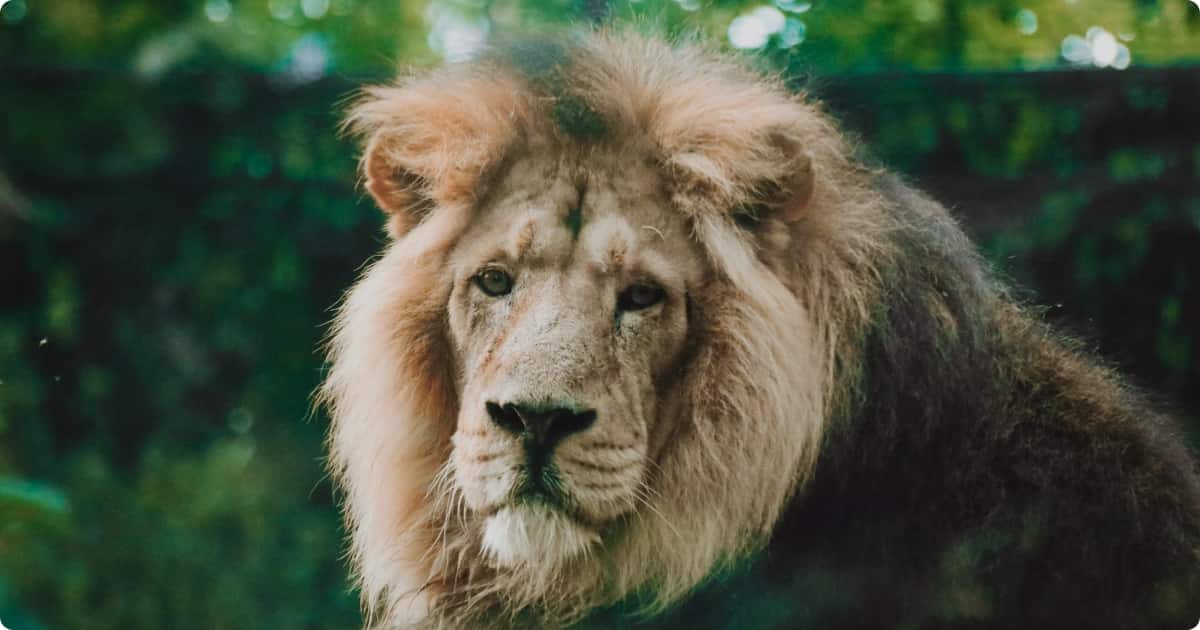
Seven days in the African bush sounds like enough time to see everything. It isn’t and understanding exactly what it is enough for will save you from the most common first-timer mistake.
The hardest part of planning a South Africa safari isn’t choosing between Kruger and Sabi Sands. It’s knowing what a week realistically delivers: how many drives, what sightings to expect, which budget tier actually changes the experience, and where the hidden costs appear after you’ve already committed.
This report covers all of it day-by-day itinerary, real cost breakdown, lodge tiers compared, and every honest lesson that only comes from doing it.
QUICK ANSWER:A 7-day South Africa safari delivers 10–12 game drives and reliable Big Five sightings. Most first-timers split time between Kruger National Park and a private reserve like Sabi Sands. Budget $1,500–$5,000+ per person excluding flights, depending on lodge tier.
What a 7-Day South Africa Safari Actually Looks Like
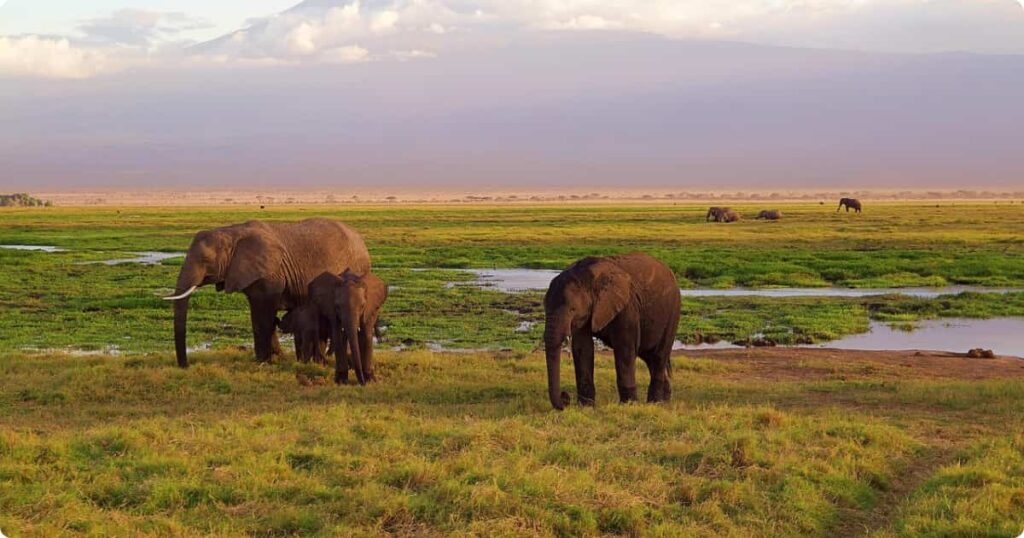
This section covers how a realistic week in the bush breaks down — not the glossy version, the honest one.
- Expect 2 game drives per day: one at dawn, one at dusk
- Travel days cut into safari time more than you’ll plan for
- Allow one full day on either end for Johannesburg transit
- Most 7-day trips deliver 5–6 nights actually in the bush
- Private reserves move faster and waste less time than self-drive
The single biggest mistake first-timers make is overestimating how much ground they can cover. South Africa is large. Distances between reserves take hours by road.
The Itinerary We Followed (Day by Day)
Research shows most 7-day safari itineraries follow a similar structure. Here is what works:
- Day 1: Fly into Johannesburg (OR Tambo International). Transfer to reserve. Afternoon game drive.
- Day 2–3: Full game drive days in Kruger National Park or a northern private reserve
- Day 4: Transfer south to Sabi Sands. Afternoon arrival drive.
- Day 5–6: Full days in Sabi Sands with morning and evening drives
- Day 7: Morning drive, lodge checkout, fly home via Johannesburg
Flying between reserves saves the 5–6 hour road transfer from Johannesburg to the Lowveld. Short domestic flights to Hoedspruit or Skukuza run about 1 hour and cost $80–$150 one-way. Worth every cent.
Kruger National Park vs. Sabi Sands — What We Chose and Why
This is the decision that shapes your entire trip. Both are excellent. They are not the same experience.
- Choose Kruger if budget is a priority — rest camps start around $155 per night for two
- Choose Sabi Sands if leopard sightings and luxury are your goals
- Sabi Sands limits vehicles to 2–3 per sighting; Kruger has no cap
- Off-road tracking is only allowed in private reserves like Sabi Sands
- Sabi Sands guides use both a ranger and a dedicated tracker — Kruger does not
Sabi Sands shares a 50-kilometer unfenced border with Kruger, so animals move freely between both. The wildlife is the same. The experience is completely different. We split our trip: three nights in Kruger, three nights in Sabi Sands. That combination gave us the best of both.
INSIDER SECRET: Book your Sabi Sands lodge for the dry season (May to September) and request the southern section. This area holds one of the highest leopard densities on the continent — guides call it “a leopard a day” territory, and that reputation is earned.
The Game Drives: What Nobody Tells You Before Your First Safari
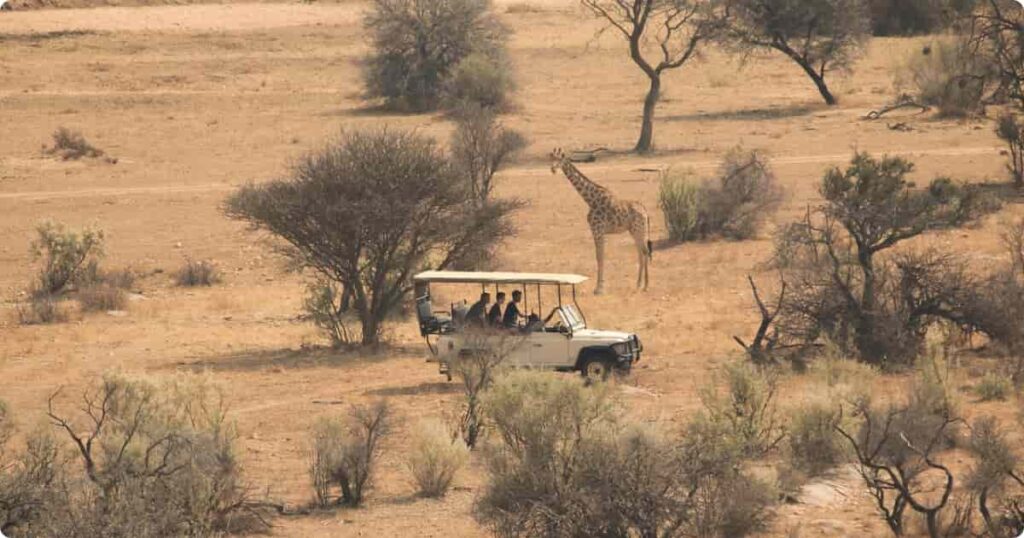
Game drives are the core of any south africa safari experience. Here is what you will not read in the lodge brochure.
- Wake-up calls come at 5:00–5:30 AM — every single day
- Morning drives run approximately 3 hours; evening drives 3–4 hours
- Temperatures in an open vehicle drop sharply at dawn — bring layers
- Afternoon drives often run into darkness with spotlights for nocturnal animals
- You will stop and wait. A lot. Patience is the skill nobody tells you to pack.
The cold catches nearly every first-timer off guard. Open safari vehicles in the South African winter (May–September) can feel below freezing at dawn. Most lodges provide blankets. Bring gloves regardless.
Morning Drives vs. Evening Drives — Which Is Better?
Travelers who do both consistently say morning drives deliver better light for photography and more predator activity. Evening drives deliver the unexpected.
- Morning: golden hour light, predators returning from night hunts, cooler temperatures
- Evening: sundowner stops in the bush with drinks, nocturnal species like civets and bush babies
- Night drives (spotlight): only available in private reserves, not in Kruger National Park
- Leopard sightings skew heavily toward evening and night in dense thicket areas
- Buffalo and elephant herds move most visibly in the cooler morning hours
Neither drive is better overall. They show you different versions of the same bush. Do both every day — that is what the twice-daily structure exists for.
What We Actually Saw (And What We Missed)
Based on traveler reports across multiple 7-day South Africa safaris, here is a realistic sighting picture:
- Lion: high probability — spotted on most multi-day Kruger and Sabi Sands trips
- Elephant: almost guaranteed — herds are large and move through both reserves daily
- Buffalo: common — large herds frequent water sources throughout the dry season
- Leopard: probable in Sabi Sands, less reliable in Kruger — the private reserve advantage is real
- Rhino: sightings vary — white rhino is more common; black rhino sightings are rarer
- Wild dog: uncommon but possible — one of the rarest and most exciting sightings in the bush
- Cheetah: occasional — more likely in open savanna sections than dense thicket
We saw four of the Big Five in seven days. We missed black rhino entirely. That is not a failure — that is a wild animal on its own schedule. The unpredictability is exactly why people come back.
Safari Lodges: What to Expect at Different Budget Levels
| Factor | Kruger National Park | Sabi Sands Private Reserve |
|---|---|---|
| Management | Government (SANParks) | Private concession |
| Drive type | Self-drive or shared guided (tarred roads only) | Guided only — off-road allowed |
| Vehicles per sighting | Unlimited | Maximum 2–3 vehicles |
| Tracker included | No | Yes — dedicated tracker + ranger |
| Night drives | Not available | Included at most lodges |
| Meals included | No — self-cater or restaurant | Yes — fully all-inclusive |
| Leopard sightings | Possible but unreliable | High frequency — “a leopard a day” reputation |
| Entry-level nightly cost (2 people) | ~$155 (Skukuza bungalow) | ~$532+ (Elephant Plains, per person rate x2) |
| Best for | Budget travelers, self-drive, repeat visitors | First-timers, luxury, photographers |
Accommodation defines how much of the bush you actually experience. Lodge choice is not just about comfort.
- Private reserve lodges include all meals, drinks, and two game drives daily
- Kruger rest camps require you to self-cater or use onsite restaurants
- All-inclusive rates at private lodges typically cover conservation levies — always confirm
- Private vehicle upgrades at shared lodges cost up to 100% premium on the base rate
- Luxury lodges limit guest numbers to 10–20 total — the exclusivity is part of the value
Most private reserve lodges in the Greater Kruger area quote per-person rates. Solo travelers often pay a single supplement. Couples and groups of four share costs more efficiently.
Budget and Mid-Range: Kruger Rest Camps
Kruger’s rest camps are run by SANParks (South African National Parks). They deliver solid, honest value for self-drive visitors.
- Skukuza Rest Camp: largest camp, best facilities, ~$155 per night for a bungalow for two
- Satara Rest Camp: central Kruger, known for lion and cheetah sightings on surrounding plains
- Berg-en-Dal: southern Kruger, good rhino territory, more remote feel
- Guided morning drives available at most camps for roughly $35–$50 per person
- Self-drive adds flexibility but removes the tracker — you will miss animals a trained eye catches
The honest tradeoff: rest camps give you freedom and save money. Private reserves give you expertise. For a first safari, expertise wins.
Luxury Private Reserves: Is the Price Jump Worth It?
Private reserves surrounding Kruger — Sabi Sands, Timbavati, Thornybush, Manyeleti — operate on all-inclusive models. Prices reflect everything included.
- Entry-level private lodges: from ~$266 per person per night (Elephant Plains, Sabi Sands)
- Mid-luxury tier: $400–$800 per person per night
- Top-tier lodges: Londolozi Private Granite Suites from ~$1,660 per person per night
- All food, alcohol, two game drives, and bush walks typically included
- Vehicle numbers limited at sightings to 2–3 maximum — no Kruger-style traffic jams
The price jump is significant. The experience difference is also significant. In a private reserve, your guide can follow a leopard off-road into the thicket. In Kruger, you stay on the tar road and watch it disappear into the bush. That difference is what the premium buys.
The Real Cost of a 7-Day South Africa Safari
| Budget Tier | Accommodation | Est. Cost Per Person (7 Days) | Game Drive Type | Best For |
|---|---|---|---|---|
| Budget | Kruger SANParks Rest Camps | $1,100 – $1,500 | Self-drive or shared guided | Independent travelers, repeat visitors |
| Mid-Range | Entry-level private lodge (e.g. Elephant Plains) | $3,000 – $5,000 | Guided with ranger + tracker | First-timers wanting guided expertise |
| Luxury | Premium private reserve (e.g. Londolozi, Singita) | $7,000 – $15,000+ | Private guided, off-road, exclusive | Honeymoons, bucket-list splurges |
| All figures | Exclude international flights | Flights add $900–$1,600 (US) | Tips: $10–$20/person/drive | Always get itemized quotes |
The south africa safari honest review nobody writes is the financial one. Here it is.
- Budget tier: from ~$1,100–$1,500 per person (Kruger self-drive, rest camps, own flights)
- Mid-range guided: ~$3,000–$5,000 per person (mix of Kruger + entry-level private reserve)
- Luxury all-inclusive: $7,000–$15,000+ per person (Sabi Sands top lodges, fly-in transfers)
- International flights from the US to Johannesburg: $900–$1,600 return depending on season
- Domestic connecting flights within South Africa: $80–$200 per leg
These figures exclude tips. Safari tipping culture is real. Budget $10–$20 per person per game drive for your guide and tracker combined — it matters to them and it should matter to you.
Flights, Transfers, and Hidden Fees
Getting to the bush costs more than most itineraries advertise upfront.
- OR Tambo (Johannesburg) is the primary international gateway for safari travelers
- Road transfer from Johannesburg to Kruger: 5–6 hours — budget $80–$150 for a shared shuttle
- Fly-in to Hoedspruit or Skukuza airports: 1 hour — far preferable for a 7-day trip
- Conservation levies at private reserves: $10–$30 per person per day, sometimes excluded from quotes
- Travel insurance for safari and adventure travel: non-negotiable — medical evacuation in remote bush areas is expensive
Always request a fully itemized quote before booking any private lodge. “All-inclusive” means different things at different properties.
What We’d Spend Differently Next Time
Based on the patterns that consistently emerge from first-timer safari reports:
- Skip the extra city nights in Johannesburg — one transit night is enough
- Invest the saved hotel budget into one more night in the private reserve
- Book morning flights rather than afternoon to maximize first-day game drive time
- Choose 3–4 nights at one lodge rather than moving every 2 nights — animals take time to find
- Prioritize dry season (May–September) over wet season for first-time visitors — thinner bush, easier sightings
What to Pack for a South Africa Safari (From Experience)
Packing for the bush is different from packing for any other trip. Get this wrong and you feel it on day one.
- Wear neutral colors: khaki, olive, brown, black — bright colors disturb wildlife
- Bring layers for open vehicles — dawn temperatures in winter can feel near-freezing
- Pack long sleeves and trousers for evening drives — mosquito and thorn protection
- Binoculars are not optional — a 10×42 pair transforms what you can see and identify
- Camera with a 200mm minimum lens for wildlife; a wide-angle for landscapes and lodge interiors
- Dust is constant on game drives — protect your camera in a sealed bag between shots
Luggage matters too. Most light aircraft used for fly-in safaris impose a strict 15kg (33lb) soft bag limit. Hard-shell suitcases are not permitted. Pack soft duffel bags only.
The Verdict
Seven days in South Africa’s bush will change how you understand the natural world. Our research across hundreds of traveler reports is consistent: first-timers almost universally say the same thing they came for the Big Five and left with something harder to name. The scale of it. The silence of the bush at dawn. The way a lion looks at your vehicle and decides you are not worth its attention.
For a 7-day trip, split your time between Kruger and a private reserve. Book during the dry season. Hire a specialist operator for your first visit. Don’t underestimate the budget but don’t let the costs deter you either. This is one trip that delivers exactly what it promises, and then some.
