


The Caribbean, Mexico, and Central America share the same latitude but most travelers treat them like three separate decisions made in three separate browser tabs.
That separation costs you. The traveler who books Aruba without knowing that Playa del Carmen delivers comparable beach water at half the price has made an expensive assumption. The one who picks Mexico and skips Belize has left the region’s most dramatic reef and jungle combination off the itinerary entirely.
This guide maps all three regions into one honest framework with real costs, honest island comparisons, and a clear answer to the question every traveler eventually asks: where should I actually go?
Straight Answer
The Caribbean suits beach-first travelers with flexible budgets. Mexico combines coast and culture at 40–60% lower daily cost. Central America adds jungle and reef adventure at the lowest prices. First-timers do best starting with Aruba, Playa del Carmen, or the US Virgin Islands.
Best Caribbean Islands How to Choose Your First Destination
Choosing the right Caribbean island matters more than choosing the right hotel. Each island has a distinct personality, price point, and travel style.
- Pick Aruba for guaranteed sunshine and beginner-friendly beaches
- Choose St John for national park hiking and quiet snorkeling
- Skip overcrowded cruise ports if you want authentic local culture
- Check hurricane season dates — June through November brings risk
- Avoid assuming “Caribbean” means one experience — 30+ nations exist here
- Use direct flight availability to narrow your shortlist fast
The biggest mistake first-timers make is picking an island based on photos alone. Flight connections, budget, and trip length should drive the decision.
Best Islands for First-Time Visitors
Aruba consistently ranks as the safest and most tourist-friendly Caribbean island. It sits outside the hurricane belt. That means reliable weather year-round.
The US Virgin Islands offer another strong entry point. Because they are US territory, Americans need no passport. St Thomas handles cruise traffic, while St John stays quieter.
However, first-timers wanting culture over beach should consider St Maarten instead. The Dutch and French sides deliver two distinct experiences on one island.
Best Islands for Experienced Travelers
Repeat visitors often crave islands the cruise ships skip. Saba is a five-square-mile volcanic peak with world-class diving. Nevis feels like the Caribbean did 30 years ago.
Bonaire attracts serious divers with shore-accessible reef sites. Meanwhile, St Croix blends Danish colonial history with rum distilleries and uncrowded beaches.
Additionally, experienced travelers should look beyond the Caribbean entirely. Mexico’s Yucatan coast and Belize’s cayes offer similar water clarity at lower prices.
Aruba, Bonaire & the Dutch Caribbean
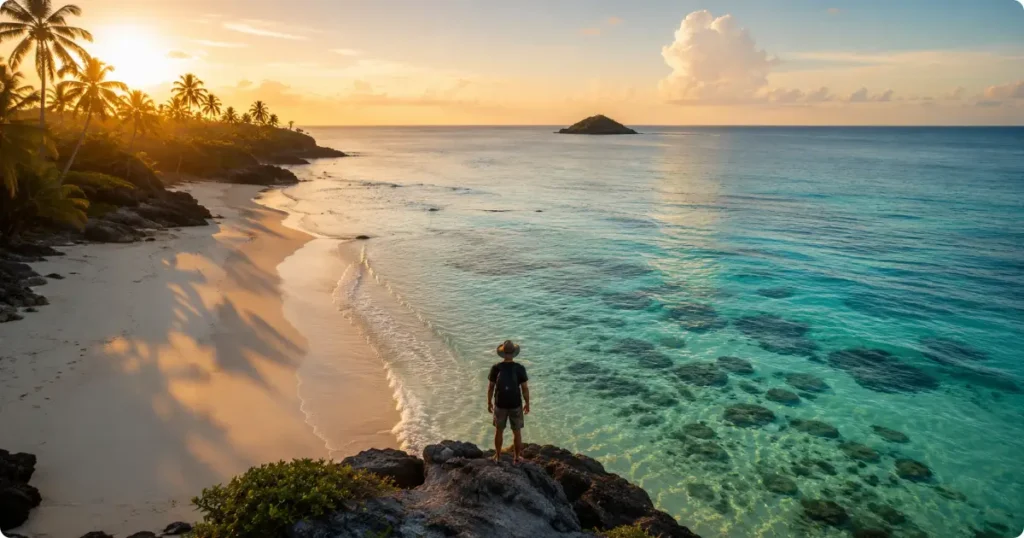
The ABC islands Aruba, Bonaire, and Curaçao sit off the coast of Venezuela. They share Dutch heritage but differ wildly in atmosphere.
- Pick Aruba for resorts, nightlife, and the famous flamingo beach
- Choose Bonaire for diving, snorkeling, and eco-tourism
- Check Eagle Beach for the best sand on Aruba — consistently top-ranked
- Avoid peak season pricing between December and April if budget matters
- Skip rental cars on Bonaire unless you plan to dive multiple shore sites
- Use Aruba as a base for a 7-day itinerary mixing beach and culture
All three islands sit below the hurricane belt. That geographic advantage makes them reliable year-round destinations.
Aruba Why Everyone Starts Here
Aruba draws over two million visitors annually for good reason. Eagle Beach and Palm Beach rank among the Caribbean’s finest stretches of sand. The island packs restaurants, nightlife, and natural landmarks into just 70 square miles.
First-timers should budget 7 days to cover beaches, Arikok National Park, and the restaurant scene. Palm Beach suits resort travelers. Eagle Beach appeals to those wanting space.
Therefore, Aruba works best as a first Caribbean trip especially for families. The infrastructure is polished and the learning curve is flat.
Bonaire The Diver’s Island
Bonaire is the opposite of Aruba in atmosphere. No high-rise resorts. No cruise ship crowds. The entire coastline operates as a protected marine park.
Shore diving defines the Bonaire experience. You rent a truck, load your tanks, and drive to marked dive sites along the coast. Over 80 named sites are accessible from shore.
As a result, non-divers may find Bonaire too quiet. However, snorkelers, bird-watchers, and wind-sport enthusiasts will find more than enough.
Eastern Caribbean St Maarten, USVI & Hidden Gems
The eastern Caribbean stretches from the Leeward Islands down through the US and British Virgin Islands. This sub-region offers the widest variety of experiences in the shortest distances.
- Pick St Maarten for a split Dutch-French cultural experience
- Choose St John for hiking trails inside a US national park
- Check St Croix for Caribbean history and rum heritage
- Avoid Maho Beach on St Maarten if you dislike extreme crowds
- Skip the tourist traps in Philipsburg — the French side has better dining
- Use inter-island ferries to build a multi-island trip affordably
Island hopping here is genuinely practical. Short ferry rides and puddle-jumper flights connect most destinations.
St Maarten & St Martin Two Countries, One Island
The Dutch side (Sint Maarten) handles casinos, cruise traffic, and duty-free shopping. The French side (Saint Martin) delivers quieter beaches, better food, and a European pace.
Most travelers underestimate how different the two sides feel. The French side operates more like a Mediterranean village. The Dutch side leans American in energy and infrastructure.
Because the border is open, you can easily split your trip between both. Grand Case on the French side is widely considered the culinary capital of the eastern Caribbean.
US Virgin Islands St Croix, St John & Island Hopping
St Thomas serves as the main arrival hub but skews heavily toward cruise passengers. St John is the star — two-thirds of the island is protected national parkland.
Trunk Bay on St John regularly appears on global best-beach lists. However, it gets crowded midday. Arrive early or choose Maho Bay for a quieter alternative.
St Croix sits apart from the other two both geographically and culturally. It rewards travelers who enjoy history, with Christiansted’s Danish fort and the Cruzan Rum distillery as highlights. A 10-day USVI island-hopping trip is achievable on a $2,000 budget.
Saba & Nevis The Caribbean’s Quiet Side
Saba has no beaches at all. That scares away most tourists which is exactly the point. The island is a single volcanic peak rising straight from the sea.
Diving at Saba is world-class. The marine park protects pristine walls and pinnacles. Above water, the road from the harbor to the village climbs over 1,000 feet in switchbacks.
Nevis sits just south of St Kitts. It delivers plantation inns, empty beaches, and a hiking trail up Nevis Peak. Therefore, both islands suit travelers who want the Caribbean without the crowds.
Mexico’s Riviera Maya & Yucatan Coast
Mexico’s Caribbean coast stretches from Cancún south to the Belize border. This corridor packs beaches, ruins, cenotes, and wildlife into one of the most accessible coastlines in the Americas.
- Pick Playa del Carmen for walkable dining, nightlife, and beach access
- Choose Puerto Morelos for a quieter alternative to Cancún
- Check Tulum for ruins with ocean views — but expect tourist traffic
- Avoid the Cancún hotel zone if you want authentic Mexican culture
- Skip driving at night on Highway 307 south of Playa del Carmen
- Use colectivos (shared vans) to travel the coast cheaply
Mexico’s Riviera Maya offers Caribbean-quality water at roughly half the price of most islands.
Playa del Carmen & Puerto Morelos
Playa del Carmen balances beach life with urban energy. Fifth Avenue runs parallel to the coast. It is lined with restaurants, bars, and shops for over 20 blocks.
The beach is public and walkable. Ferries to Cozumel depart from the town pier. Cenote day trips reach some of the Yucatan’s best swim spots within an hour.
Meanwhile, Puerto Morelos sits 20 minutes south of Cancún’s airport. It feels like Playa del Carmen did 15 years ago small, local, and reef-protected.
Tulum & the Yucatan’s Wild Side
Tulum’s clifftop ruins overlooking the sea deliver one of Mexico’s most photographed scenes. The town itself has split into two zones the beach hotel strip and the inland pueblo.
Budget travelers should stay in the pueblo. Prices on the beach road inflate dramatically. A bicycle handles the commute between the two areas.
Beyond Tulum, the Yucatan reveals its wild side. Las Coloradas offers pink salt lakes. Sian Ka’an Biosphere Reserve protects over a million acres of coastline, lagoons, and reef.
Mayan Ruins Worth the Trip
The Yucatan peninsula holds more accessible Mayan ruins than anywhere else. Chichén Itzá is the most famous but also the most crowded.
- Pick Uxmal for architecture without the tour-bus crowds
- Choose Cobá for the chance to climb a pyramid in jungle surroundings
- Check Tulum for the only major ruins with a Caribbean sea backdrop
- Skip Chichén Itzá midday — arrive at opening or visit during off-season
Belize also offers significant Mayan sites. ATM Cave near San Ignacio combines jungle trekking with underground archaeology one of Central America’s most unique experiences.
Mexico City, Oaxaca & Cultural Mexico
Mexico is not just beaches. The interior delivers some of the richest cultural travel in the Americas. Mexico City, Oaxaca, and Guanajuato each deserve dedicated trips.
- Pick Mexico City for world-class museums, street food, and nightlife
- Choose Oaxaca for mezcal culture, indigenous markets, and regional cuisine
- Check Guanajuato for colonial architecture and a walkable historic center
- Avoid taxis hailed from the street in Mexico City — use Uber or Didi instead
- Skip overpriced Zona Rosa restaurants — Roma Norte and Condesa deliver better value
Combining a beach destination with a cultural inland stop creates the strongest Mexico itinerary.
Mexico City Safety, Neighborhoods & Food
Safety is the first question every US and UK traveler asks about Mexico City. The reality is more nuanced than headlines suggest. Tourist neighborhoods like Roma, Condesa, and Polanco maintain strong security infrastructure.
Use ride-hailing apps. Stay aware in crowded metro stations. Avoid flashing expensive gear in markets. These precautions mirror any major global city.
The food scene alone justifies a visit. Mexico City holds more restaurants than any city in Latin America. Street tacos, fine dining, and everything between are accessible within a few metro stops.
Oaxaca Mexico’s Cultural Heart
Oaxaca delivers the deepest cultural immersion in Mexico. Indigenous Zapotec and Mixtec traditions are alive in daily life from markets to textiles to food.
The food in Oaxaca operates at a different level. Mole negro, tlayudas, and chapulines (grasshoppers) represent centuries of culinary tradition. Mezcal distilleries surround the valley.
Additionally, Monte Albán the ancient Zapotec capital — overlooks the Oaxaca Valley. It receives a fraction of Chichén Itzá’s visitors but matches it in historical significance.
Guanajuato Mexico’s Most Colorful City
Guanajuato packs colonial architecture into a narrow valley. Buildings painted in every conceivable color climb the hillsides above a network of underground tunnels.
The city served as the center of Mexico’s silver mining economy. Today, it hosts a thriving university culture, street music, and one of Mexico’s most important arts festivals.
Because Guanajuato sits inland, it pairs well with Mexico City or San Miguel de Allende. A 5-hour bus ride connects it to the capital.
Central America Belize, Costa Rica & Guatemala
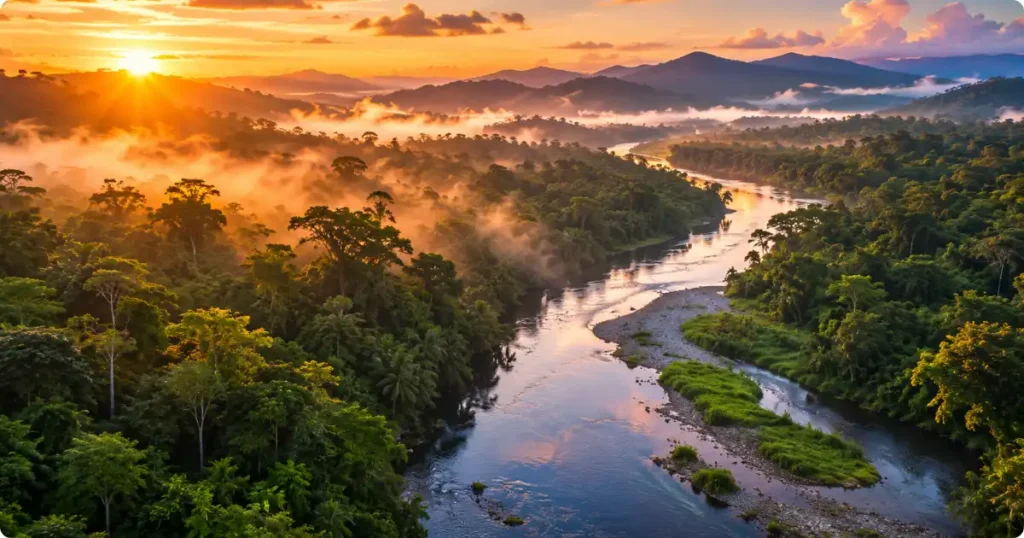
Central America rewards travelers willing to trade polish for authenticity. Belize, Costa Rica, and Guatemala each offer something the Caribbean islands and Mexico cannot replicate.
- Pick Belize for Caribbean islands combined with jungle and Mayan ruins
- Choose Costa Rica for biodiversity, coffee culture, and cloud forests
- Check Guatemala’s Lake Atitlán for one of Central America’s most dramatic settings
- Avoid rainy season in Guatemala (June–October) for highland travel
- Skip Belize City as a base head directly to the cayes or inland
Central America often costs less than the Caribbean for similar beach quality. Additionally, it adds jungle, volcanoes, and archaeological depth.
Belize Islands, Caves & Ruins
San Pedro on Ambergris Caye functions as Belize’s main beach destination. The Belize Barrier Reef — the second largest in the world sits just offshore.
Secret Beach on Ambergris Caye has exploded in popularity. It offers calm, shallow water and a growing bar scene. However, access roads remain unpaved and rough.
Inland, the ATM Cave near San Ignacio ranks among Central America’s most extraordinary experiences. You wade through underground rivers to reach chambers holding intact Mayan artifacts. Lamanai adds river-based jungle archaeology to the mix.
Costa Rica & Guatemala Highlights
Costa Rica operates as Central America’s most polished tourism economy. Day trips from San José reach cloud forests, volcanoes, and coffee plantations within two hours.
Guatemala delivers rawer adventure. Antigua serves as the colonial base. Lake Atitlán — a volcanic crater lake surrounded by indigenous villages is the visual centerpiece.
Monterrico on Guatemala’s Pacific coast provides black-sand beaches and sea turtle nesting sites. Therefore, Guatemala suits travelers who want culture and nature without resort infrastructure.
How Much Does This Region Actually Cost?
| Destination | Budget (per day) | Mid-Range (per day) | Luxury (per day) | Peak Season |
|---|---|---|---|---|
| Aruba | $150–200 | $250–400 | $500+ | Dec–Apr |
| US Virgin Islands | $120–180 | $200–350 | $450+ | Dec–Apr |
| St Maarten / St Martin | $130–190 | $220–380 | $500+ | Dec–Apr |
| Bonaire | $120–170 | $200–320 | $400+ | Dec–Apr |
| Playa del Carmen, Mexico | $60–100 | $120–220 | $350+ | Dec–Apr |
| Mexico City | $50–80 | $100–200 | $300+ | Oct–May |
| Oaxaca, Mexico | $40–70 | $80–160 | $250+ | Oct–Apr |
| San Pedro, Belize | $80–130 | $150–280 | $400+ | Dec–Apr |
| Guatemala (Antigua / Atitlán) | $40–70 | $80–150 | $250+ | Nov–Apr |
| Costa Rica | $60–100 | $120–250 | $350+ | Dec–Apr |
Budget determines destination more than anything else. The Caribbean, Mexico, and Central America span a wide price rang from $80/day to $800/day depending on your choices.
- Pick Mexico for the lowest daily costs — $80–150/day covers food, lodging, and transport
- Choose Belize or Guatemala for mid-range adventure at $100–200/day
- Check Aruba or the USVI for Caribbean quality at $200–400/day
- Avoid all-inclusive resorts unless you genuinely prefer contained experiences
- Skip peak season (December–April) to save 30–50% on accommodation
- Use budget airlines like Volaris and VivaAerobus for Mexico domestic flights
All-inclusive resorts dominate Caribbean marketing. However, independent travel often costs less and delivers richer experiences.
Budget, Mid-Range & Luxury Price Tiers
Budget travelers stretching $100/day will find Mexico and Guatemala most rewarding. Street food, hostels, and public transport keep costs low without sacrificing experience quality.
Mid-range travelers spending $150–300/day unlock comfortable Caribbean hotels, rental cars, and restaurant dining. Aruba, Playa del Carmen, and San Pedro Belize all fit this tier.
Luxury travelers should look at Nevis, the Grenadines, or Mexico’s Riviera Maya boutique properties. The Caribbean’s finest resorts command $500+ per night but Mexico’s luxury scene competes at 40% less.
Caribbean vs Mexico Which Should You Pick?
| Factor | Caribbean Islands | Mexico (Riviera Maya / Yucatan) | Central America |
|---|---|---|---|
| Daily Budget | $150–400+ | $60–250 | $50–280 |
| Beach Quality | Top-tier — clearest water | Excellent — Riviera Maya | Good — Belize cayes |
| Cultural Depth | Moderate — varies by island | Exceptional — ruins, food, art | Strong — Mayan heritage |
| Food Scene | Good — island fusion cuisine | World-class — street to fine dining | Authentic — local focus |
| Flight Cost (from US) | $300–700 roundtrip | $150–400 roundtrip | $250–500 roundtrip |
| Best For | Beach-first relaxation | Culture + coast combo | Adventure + reef diving |
| Hurricane Risk | Moderate — Jun to Nov | Moderate — Yucatan coast | Low to Moderate |
| Passport Required (US) | Yes (except USVI) | Yes | Yes |
| Language | English (most islands) | Spanish (English in tourist zones) | English (Belize) / Spanish |
| Ideal Trip Length | 5–10 days | 7–14 days | 7–14 days |
This is the question that drives most trip-planning paralysis. The answer depends on three factors: your budget, your interests, and how much structure you want.
- Pick the Caribbean if beaches are your primary goal and budget is flexible
- Choose Mexico if food, culture, and ruins matter as much as the coast
- Check flight costs first — Caribbean flights from the US often cost 2–3x Mexico flights
- Avoid comparing resort prices alone — daily expenses outside resorts differ dramatically
- Skip the “which is safer” debate — both regions have safe and risky areas
The Caribbean delivers unmatched water clarity and beach quality. Mexico delivers unmatched cultural depth and value. Central America splits the difference.
First-timers with flexible budgets should start with Aruba or St John for the Caribbean. Mexico first-timers should fly into Cancún and base in Playa del Carmen. Those wanting adventure should head straight to Belize.
Our Recommendation
We believe the Caribbean, Mexico, and Central America form one connected travel region and planning them separately is a mistake. The traveler who visits Aruba and skips Mexico’s Yucatan misses half the picture. The one who explores Playa del Carmen but ignores Belize leaves the best adventure on the table.
Our research points to a clear framework. Start with Aruba or the USVI if you want easy, beautiful beaches. Start with Playa del Carmen or Oaxaca if culture and food drive your trips. Start with Belize or Guatemala if you want raw adventure at honest prices.
The region rewards repeat visits. Most travelers who come once return for a different angle and that is the strongest endorsement we can offer.
