


Bonaire doesn’t try to compete with Aruba. It doesn’t have the resort strips, the casinos, or the groomed white-sand beaches that fill travel brochures. What it has instead is 60-plus marked snorkel sites you can walk into from shore, flamingos feeding along the roadside, and coral reefs that marine biologists consistently rank among the least degraded in the entire Caribbean.
The problem is that most Bonaire guides are written for certified divers. If you snorkel, hike, or simply want a quieter Caribbean without the cruise ship crowds, you’ll spend more time filtering irrelevant advice than planning your actual trip. That gap is exactly what this guide fills.
We’ve researched every snorkel site, beach, wildlife spot, and practical detail entry tax, car rental costs, safety, seasonal timing so you can plan confidently whether you’re staying seven days or arriving on a cruise with eight hours to spare.
QUICK ANSWER:
Bonaire is a 112-square-mile Dutch Caribbean island with 60-plus shore-accessible snorkel sites, protected reefs, and flamingo-lined salt flats. All visitors pay a $75 entry tax. Rent a car there’s no public transport. Budget $150–250 per day. The island sits outside the hurricane belt year-round.
Why Bonaire Deserves a Spot on Your Caribbean Shortlist
Bonaire is the quietest of the three ABC islands. It trades Aruba’s resort energy and Curaçao’s nightlife for protected reefs and unpaved trails.
- Pick Bonaire for the healthiest coral reefs in the Caribbean
- Skip it if you need all-inclusive resorts or white-sand mega-beaches
- Check your calendar — the island sits outside the hurricane belt year-round
- Use it as a nature-first alternative to busier Dutch Caribbean islands
- Avoid comparing it to Aruba — they serve completely different travelers
The Bonaire National Marine Park has protected the entire coastline since 1979. That nearly 50-year head start on conservation means the underwater visibility regularly exceeds 100 feet. Fish populations here are denser than almost anywhere else in the region.
Bonaire is a special municipality of the Netherlands. The official languages are Dutch and Papiamento, but English is widely spoken. The US dollar is the local currency. The island measures just 24 miles long and 7 miles wide small enough to drive around in a single afternoon.
Best Snorkeling and Dive Sites in Bonaire
| Site | Best For | Entry Difficulty | Highlights | Snorkel-Friendly |
|---|---|---|---|---|
| 1000 Steps | Snorkeling & Diving | Moderate (67 stone steps) | Sea turtles, brain coral, reef wall | Yes |
| Karpata | Diving & Advanced Snorkeling | Easy entry, current possible | Deep wall drop-off, sponges | Yes (calm days) |
| Bari Reef | Beginners & Night Snorkeling | Easy (sandy slope) | Octopus, parrotfish, squid at night | Yes |
| No Name Beach (Klein Bonaire) | Snorkeling | Easy (water taxi required) | Sea turtles, shallow coral gardens | Yes |
| Salt Pier | Diving & Snorkeling | Easy (when accessible) | Encrusted pylons, orange sponge, fish schools | Yes (no cargo ships docked) |
| Wayaka (National Park) | Snorkeling | Easy (small beach entry) | Quiet site, park wildlife nearby | Yes |
| Sorobon / Lac Bay | Wading & Kiteboarding | Very easy (shallow) | Mangroves, warm flats, wind sports | Limited (shallow) |
Bonaire’s west coast has over 60 marked dive and snorkel sites. Each one is identified by a painted yellow stone on the roadside. This section covers the spots that deliver the most for both snorkelers and certified divers.
- Pick sites on the leeward (west) coast for calm, clear conditions
- Avoid the windward (east) coast unless you’re with a guide
- Check for yellow painted stones along the road — they mark every site
- Use the buddy system at all times when shore diving
- Skip the midday rush at popular sites near Kralendijk
Shore Snorkeling Sites You Can Walk Into
Bonaire’s greatest advantage is shore access. You don’t need a boat to reach world-class reef. Just park your truck, walk down the entry point, and swim out 30 feet.
1000 Steps is one of the most photographed entries on the island. The name is misleading — it’s roughly 67 limestone steps carved into the cliff. The reef begins immediately at the bottom. Expect to see parrotfish, sea turtles, and brain coral within minutes.
Karpata sits just north of 1000 Steps. The entry is easier, the reef wall drops off quickly, and it’s a favorite for both snorkelers and divers. Current can pick up here, so check conditions before entering.
Bari Reef, directly in front of Sand Dollar Resort, is the most convenient site on the island. The gradual sandy slope makes it ideal for beginners. Night snorkeling here reveals octopus, squid, and sleeping parrotfish.
Klein Bonaire — The Uninhabited Island Worth the Water Taxi
Klein Bonaire is an uninhabited island roughly half a mile offshore from Kralendijk. Water taxis run daily and cost around $20–25 round trip. The crossing takes about 15 minutes.
No Name Beach on Klein Bonaire offers the best snorkeling on the entire island. Sea turtles are practically guaranteed. The coral starts in waist-deep water and extends into deeper reef systems.
INSIDER SECRET: Book your water taxi on days when no cruise ships are in port. The beach stays virtually empty, and turtles feed closer to shore without the boat traffic.
Salt Pier — Bonaire’s Most Iconic Dive Site
Salt Pier is where massive pillars covered in orange sponge and coral drop into deep blue water. Snorkelers can see the encrusted pylons from the surface. Divers explore the dramatic structure below.
However, access is restricted. You can only snorkel or dive Salt Pier when no cargo ships are docked. Check with local dive shops for the current schedule before driving out.
Best Beaches in Bonaire
Bonaire’s beaches are not the wide white-sand strips you’ll find on Aruba. They’re smaller, rockier, and often backed by mangroves or coral rubble. That’s the trade-off for having the healthiest reefs in the Caribbean — the island protects its coastline instead of grooming it.
- Pick Te Amo Beach for easy access near the airport
- Use Sorobon Beach for shallow, warm wading at Lac Bay
- Check No Name Beach on Klein Bonaire for the best sand
- Skip the east coast beaches — they’re rough and unswimmable
- Avoid expecting Aruba-style beach loungers everywhere
Te Amo Beach and Donkey Beach
Te Amo Beach is the closest proper beach to Kralendijk. It’s a small crescent of sand near the airport with calm water, some shade, and easy snorkeling just offshore. Locals use it regularly — expect a relaxed, no-frills atmosphere.
Donkey Beach sits just south along the coast. The sand is coarser but the entry is easy. Wild donkeys sometimes wander the area, which is how it earned its name.
No Name Beach on Klein Bonaire
This is the beach most visitors photograph. Soft white sand, crystal-clear water, and zero development. There are no facilities — bring your own water, food, and shade. The water taxi from Kralendijk is your only access.
Sorobon Beach and Lac Bay
Sorobon Beach on the east side is Bonaire’s windsurfing and kiteboarding capital. Lac Bay’s shallow, warm water stretches hundreds of feet before reaching knee depth. It’s perfect for beginners learning to kite and for families with small children.
The mangrove forests along Lac Bay are worth exploring by kayak. Guided tours through the Mangrove Information Center take roughly two hours. Apply sunscreen before getting in the kayak — you’re not allowed to apply it once on the water.
Things to Do in Bonaire Beyond the Water
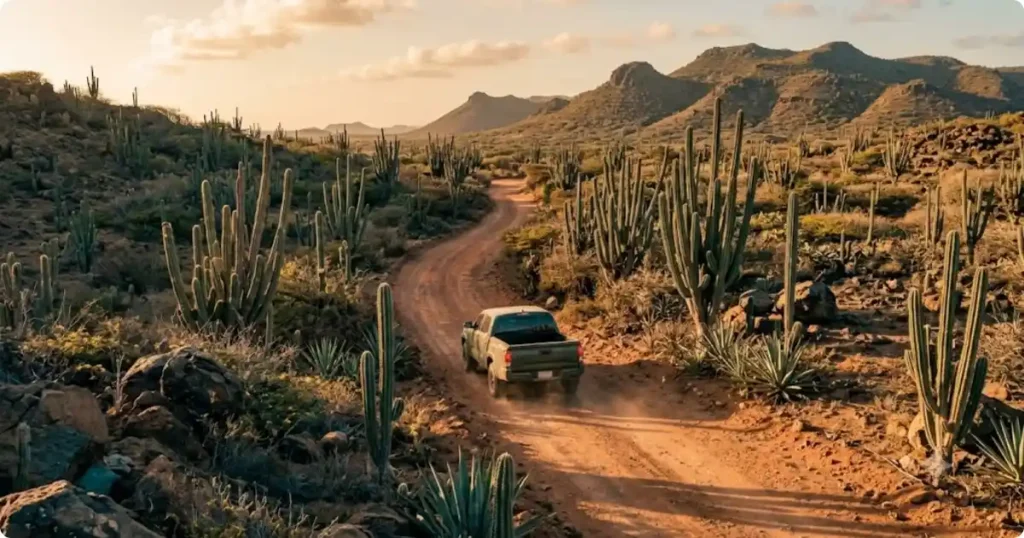
Bonaire is more than reef. The northern half of the island is a rugged national park. The capital has genuine charm. And the wildlife flamingos, parrots, donkeys, iguanas roams freely.
- Pick Washington Slagbaai National Park for a full-day land adventure
- Check out the Cadushy Distillery in Rincon for local cactus liquor
- Use Kralendijk’s Kaya Grandi for shopping and restaurants
- Skip the organized resort tours — rent a car and explore independently
- Avoid feeding or approaching wild donkeys despite their friendliness
Washington Slagbaai National Park
Washington Slagbaai covers the entire northwest corner of Bonaire. Two driving routes loop through the park — a shorter route of about 15 miles and a longer route of roughly 22 miles. Both require a vehicle with decent clearance. The roads are unpaved and rough in sections.
Highlights inside the park include Boca Slagbaai, a sheltered bay with a flamingo-filled salt lake, and Playa Chikitu, a dramatic rocky coastline where sea turtles nest. Wayaka is a small beach with excellent snorkeling right inside the park.
The park opens at 8 AM. You must enter before 9:30 AM on the short route or before 12:30 PM on the long route. Gates close at 5 PM — no exceptions.
Kralendijk — Bonaire’s Colorful Capital
Kralendijk is compact enough to walk end-to-end in about 20 minutes. The waterfront promenade runs past painted colonial buildings, small restaurants, and dive shops. Fort Oranje, built in 1639, now serves as the island’s courthouse.
Kaya Grandi is the main shopping street. Expect dive gear shops, local art galleries, and a handful of souvenir stores. The food scene has expanded considerably — Caribbean-Dutch fusion, fresh lionfish tacos, and local goat stew are all worth trying.
Flamingos, Donkeys and Wildlife
Bonaire has one of the largest flamingo populations in the western hemisphere. The salt flats in the island’s south are their primary feeding ground. You’ll spot them from the road — bright pink against white salt mountains.
The Echo Bonaire Parrot Sanctuary near Rincon protects the island’s endangered yellow-shouldered Amazon parrot. Fewer than 1,000 remain. Tours of the sanctuary take you through dry forest to observe both rescued and released birds.
Wild donkeys roam freely across the island. The Donkey Sanctuary cares for injured and orphaned animals and welcomes visitors.
Bonaire vs Aruba — Which ABC Island Should You Pick?
| Category | Bonaire | Aruba |
|---|---|---|
| Best For | Snorkeling, diving, nature | Beach resorts, nightlife, families |
| Beaches | Small, natural, reef-backed | Wide white sand, resort-lined |
| Crowd Level | Low — fraction of Aruba’s visitors | High — ~2 million visitors/year |
| All-Inclusive Resorts | Very few | Many options across all budgets |
| Snorkeling Quality | World-class shore access, 60+ sites | Good but fewer protected reefs |
| Nightlife | Minimal | Active — bars, casinos, clubs |
| Entry Tax | $75 per person | Included in airfare |
| Getting Around | Rental car essential | Rental car, taxis, buses available |
| Hurricane Risk | Outside hurricane belt | Outside hurricane belt |
| Daily Budget (Mid-Range) | $150–250 | $200–350 |
This is the most common question travelers ask about the ABC islands. The answer depends entirely on what kind of Caribbean trip you want.
- Pick Aruba for wide beaches, nightlife, and all-inclusive resorts
- Pick Bonaire for snorkeling, diving, and nature-first travel
- Choose Curaçao if you want a middle ground with more culture
- Skip Bonaire if you want a beach-lounger holiday with entertainment
- Avoid assuming the ABC islands are interchangeable — they’re not
Aruba draws roughly two million visitors per year. Bonaire welcomes a fraction of that. The difference is visible the moment you land. Bonaire’s airport is small, pink, and surrounded by flamingos. There’s no strip of high-rise hotels. No chain restaurants lining the coast.
For a deeper look at Aruba’s beaches and resorts, our best beaches in Aruba guide breaks down Eagle Beach, Palm Beach, and hidden alternatives.
Bonaire Travel Essentials — Flights, Costs and Safety
Getting to Bonaire
Bonaire’s Flamingo International Airport (BON) receives direct flights from a handful of cities. The most common US gateways are Miami, Atlanta (Delta), Newark (United), and New York JFK (JetBlue). KLM flies direct from Amsterdam five times per week.
Most flights operate on weekends only. Connecting through Curaçao on regional carriers like Divi Divi Air is another option for island-hoppers.
Entry Tax, Currency and Getting Around
Every non-resident visitor aged 13 and older must pay a $75 Visitor Entry Tax. Pay it online before arrival at the government portal — you’ll need the QR code on landing.
- Use US dollars everywhere — it’s the official currency
- Pick up a rental car at the airport — no public transport exists
- Check if your rental includes insurance for unpaved national park roads
- Avoid relying on taxis for daily exploration — costs add up fast
- Skip Uber and Lyft — neither operates on Bonaire
A rental car costs roughly $35–60 per day. Pickup trucks are the vehicle of choice for divers hauling tanks. Budget travelers can manage with a smaller sedan for beach and town trips.
Mid-range daily costs break down roughly as follows: accommodation $100–180, food $40–70, car rental $40–55, activities $20–50. A nature tag for the marine park and national park is required and covers both.
Is Bonaire Safe?
Bonaire is one of the safest islands in the Caribbean. Violent crime against tourists is extremely rare. The main precaution is avoiding valuables in your car while diving or snorkeling — break-ins at remote shore sites do happen occasionally.
The island has a small hospital. For serious medical emergencies, patients are typically transferred to Curaçao or the Netherlands. Travel insurance with medical evacuation coverage is worth carrying.
Best Time to Visit Bonaire
Bonaire sits just north of the equator and outside the hurricane belt. Temperatures stay between 80–90°F (27–32°C) year-round. Trade winds keep the humidity manageable.
- Pick May through October for lower prices and fewer crowds
- Use December through April if you prefer peak-season energy
- Check dive conditions — visibility is excellent year-round
- Skip worrying about hurricanes — the island is outside the belt
- Avoid the brief rainy season showers (December–March) only if you hate 20-minute afternoon rain
There truly is no bad time to visit. Peak season brings Dutch and American families during school holidays. Off-season means better hotel rates and emptier snorkel sites.
Where to Stay in Bonaire
Bonaire doesn’t have the mega-resort scene you’ll find on other Caribbean islands. Most accommodations are boutique hotels, dive resorts, apartment-style stays, or vacation rentals.
- Pick a dive resort like Buddy Dive or Sand Dollar if snorkeling is your priority
- Use Bamboo Bonaire Boutique Resort for a design-forward mid-range option
- Check Delfin’s Beach Resort for Bonaire’s newest luxury waterfront property
- Skip expecting all-inclusive packages — most properties are room-only
- Avoid booking far from Kralendijk if you don’t have a rental car
Most returning visitors stay on the west coast between Kralendijk and the northern dive sites. This puts you within driving distance of every major snorkel spot and restaurant.
The Verdict
We rate Bonaire as the best snorkeling island in the Caribbean and one of the best in the world. The shore access alone sets it apart. No boat rides, no expensive excursions, no lottery-ticket visibility. You park, walk in, and swim over reef that most islands can only dream of protecting.
However, Bonaire is not for everyone. If your ideal Caribbean trip involves beach loungers, swim-up bars, and nightlife, this isn’t your island. Bonaire rewards travelers who want to earn their experiences whether that’s descending 67 steps to a reef wall or driving unpaved roads through a national park to find flamingos in a salt lake.
Our research confirms what repeat visitors already know: Bonaire is the Caribbean for people who think the Caribbean is too crowded. Once you visit, you’ll understand why so many come back.
