

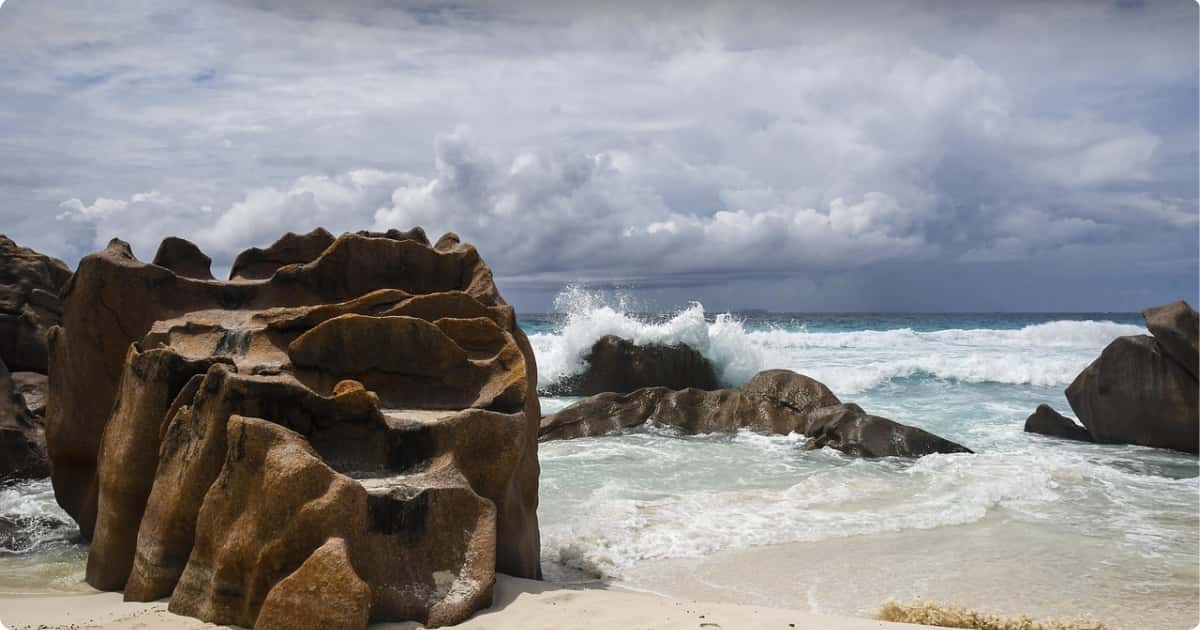
Seychelles looks straightforward on paper 115 islands, Indian Ocean, granite boulders, turquoise water. Book a flight, pick a resort, done. But that’s exactly how first-timers end up on the wrong island, at the wrong time of year, with no idea how to reach the best beaches.
The real planning gap isn’t inspiration it’s structure. Which island do you start on? How do you move between them? What does a realistic 10-day trip cost, and which activities are actually worth booking in advance?
This guide answers all of it. Every island, every ferry route, every cost tier, and the experiences that separate a good Seychelles trip from one you’ll spend years trying to repeat.
QUICK ANSWER:
Seychelles first-timers should visit Mahé, Praslin, and La Digue in that order. Allow 10 days minimum. Budget $155–$527 per person per day excluding flights. Visit in April–May or October–November for the calmest seas. No visa needed apply for a Digital Travel Authorization before departure.
The Three Islands Every First-Timer Needs to Know
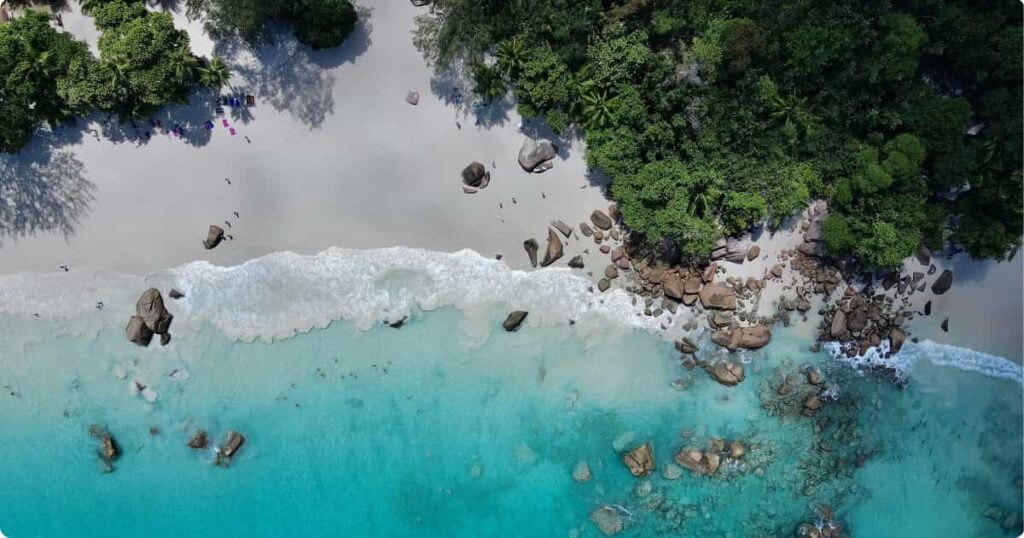
Seychelles has 115 islands, but most first-timers only need three. These are the inner granite islands connected by ferry, each with its own character, and together they cover every reason people come here.
- Start on Mahé — it holds the international airport and 90% of the country’s population
- Move to Praslin — home to the best beaches and UNESCO-listed Vallée de Mai
- Finish on La Digue — the smallest, flattest, and most photogenic of the three
- Skip the outer islands on a first visit unless you have 14+ days and a large budget
- Plan for inter-island travel time — transfers eat into short itineraries fast
The classic route runs Mahé → Praslin → La Digue. Each island adds something the last one doesn’t have. Together, they form a complete picture of what Seychelles actually is.
Mahé — Your Gateway and Base
Mahé is the largest island and your entry point. It’s more developed than the others think winding coastal roads, a lively capital in Victoria, and beaches that compete with anywhere on earth.
- Visit Victoria Market — the capital’s central market for Creole food, local spices, and fresh fish
- Swim at Beau Vallon — Mahé’s most popular beach, calm and good for families
- Hike Morne Seychellois National Park — trails through cloud forest with Indian Ocean views on both sides
- Rent a car — Mahé’s roads are narrow but manageable; a car unlocks the southwest coast beaches
- Allow 2–3 nights before moving on — enough to explore without feeling stuck
Mahé rewards travelers who get off the beach. The southwest coast, quiet and less developed, holds some of the island’s most dramatic scenery — worth a half-day drive.
Praslin Beaches, Forests, and the Best Snorkeling
Praslin is where Seychelles delivers its most concentrated punch. It’s home to the world’s smallest UNESCO World Heritage site, two of the planet’s most photographed beaches, and snorkeling that consistently outperforms anything on Mahé.
- Spend 3–4 nights — the island rewards slow exploration
- Base yourself along Côte d’Or (Anse Volbert) — most hotels, restaurants, and ferry access
- Book the Curieuse Island boat trip early — it sells out in peak season
- Bring your own snorkel gear — rental costs add up fast at 135 SCR per day
- Hire a local driver for a day — cheaper than a rental car and they know every hidden beach
Praslin is where most first-timers fall completely in love with Seychelles. Give it more time than you think it needs.
La Digue The Slowest, Most Beautiful Island on Earth
La Digue runs on a different clock. There are almost no cars. Bicycles are the transport of choice. The roads are lined with giant takamaka trees and the pace drops the moment you step off the ferry.
- Rent a bike at the jetty — available immediately on arrival, around $7–$11 per day
- Visit Anse Source d’Argent — one of the most photographed beaches on earth; go before 9am
- Pay the L’Union Estate entrance fee ($10) — it covers access to Anse Source d’Argent
- Explore the east coast beaches — fewer crowds and more dramatic surf conditions
- Allow 2 nights minimum — day-trippers miss the real La Digue entirely
La Digue is not a day trip. Travelers who rush through on a boat excursion consistently say it was their biggest regret of the whole trip.
Best Things to Do in Seychelles
Seychelles activities range from free beach walks to guided nature reserves. This section covers the four experiences that define a first visit the ones travelers remember years later.
- Combine Vallée de Mai with Anse Lazio on the same Praslin day
- Book the Curieuse Island boat tour from Praslin — the full-day version is worth it
- Snorkel at multiple sites — conditions change by season, so flexibility matters
- Skip mass-market tour operators for water activities; small private charters deliver a better experience
- Budget for activity costs separately — they’re not included in most accommodation packages
The best days in Seychelles happen when you mix one big activity with long stretches of doing nothing. The islands reward that rhythm.
Vallée de Mai Walk Through a Living UNESCO Forest
Vallée de Mai on Praslin is one of only two places on earth where the coco de mer palm grows wild. These palms produce the world’s largest seed up to 25kg and the forest has been essentially unchanged for millions of years.
- Entrance fee: around 20–35 EUR per person
- Allow 2 hours for the circular trail at a comfortable pace
- Look up: the black parrot of Seychelles lives here and is extremely shy
- Go early — the forest is coolest before 10am and less crowded
- Bring water — shade is plentiful but humidity is high
The circular trail through Vallée de Mai takes roughly two hours and feels genuinely other-worldly. Nothing else in Seychelles looks like it.
Anse Georgette The Beach That Stops You Cold
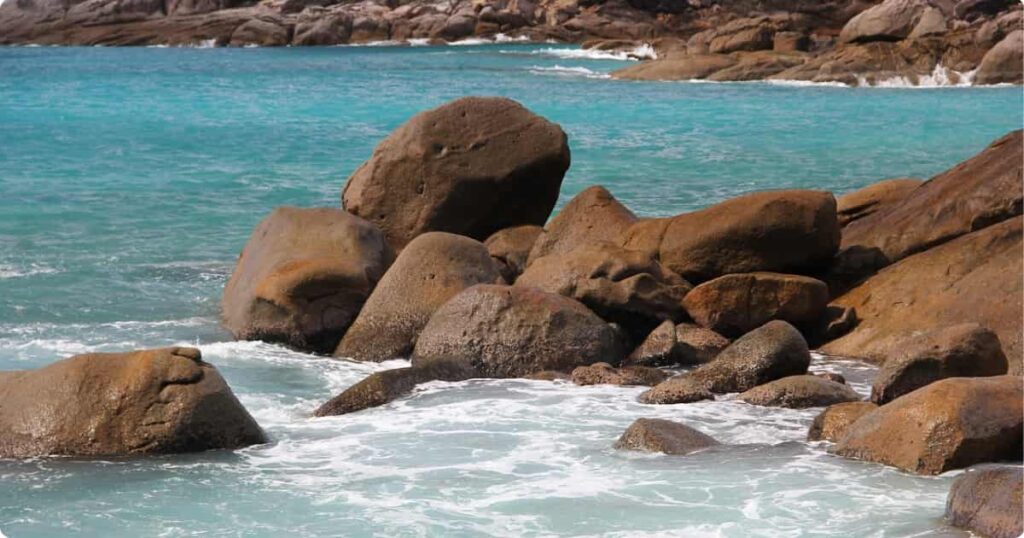
Anse Georgette on Praslin’s northwest coast is consistently ranked among the best beaches on earth. It sits within the grounds of the Constance Lémuria Resort but non-guests can access it freely. You need to register at the resort first; only 30 non-guests are permitted on the beach at any time.
- Register at the Constance Lémuria Resort reception before heading down
- Access is free — no charge for non-guests who register in advance
- Snorkel along the granite rocks — rays, turtles, and tropical fish are common
- Hike in from Anse Lazio for a more dramatic arrival — the trail winds through tropical forest
- Arrive early — the 30-person limit fills up in peak season
INSIDER SECRET: The hike from Anse Lazio to Anse Georgette takes about 45 minutes through coastal forest. It’s the most rewarding way to arrive and you’ll almost certainly have the beach to yourself for the first hour.
Curieuse Island Giant Tortoises and Mangrove Trails
Curieuse is a bio-reserve just off the north coast of Praslin. It was once a leper colony; today its red-soil trails lead through mangrove forests to pristine beaches where Aldabra giant tortoises roam freely. It’s one of the only places in the world where you can walk among them outside a zoo.
- Book a full-day boat tour from Praslin — most include a Creole BBQ lunch at Anse St José
- Walk the mangrove boardwalk — roughly 1.7km and easy for most fitness levels
- Visit the Doctor’s House museum — a small but fascinating piece of the island’s history
- Combine with St Pierre Islet snorkeling — most tours stop there; it’s genuinely exceptional
- Bring insect repellent — the interior trails can have biting insects
Curieuse tour costs approximately $100 per person for a full-day group trip. Private charters run $500–$800 per day but allow you to customize snorkel stops and timing completely.
Snorkeling in Seychelles Where the Water Wins
Seychelles snorkeling is excellent and much of it is accessible directly from the beach without a boat. The best visibility falls in April–May and September–October, when both trade wind seasons transition and currents settle.
- Anse Source d’Argent (La Digue): swim out from the beach into shallow reef; rays are common
- Curieuse Marine National Park: sea turtles, reef fish, and reportedly dugongs in protected waters
- Anse Georgette (Praslin): clear water over granite reef; best for colorful fish and turtles
- St Pierre Islet: a tiny granite stack surrounded by some of the best coral in the inner islands
- Avoid the southern coast of Mahé — currents are dangerous year-round; the Seychelles Tourism Authority warns against swimming there
Bring your own mask and fins. Rental gear is widely available but costs add up across a two-week trip.
How to Get Between Islands (Mahé to Praslin Ferry and Beyond)
| Route | Transport Type | Duration | Approx. Cost (One Way) | Best For |
|---|---|---|---|---|
| Mahé → Praslin | Cat Cocos Ferry | ~60 minutes | ~$77 | Budget travelers; scenic crossing |
| Mahé → Praslin | Domestic Flight (Air Seychelles) | ~15 minutes | $65–$110 | Those prone to seasickness; May–Sep |
| Praslin → La Digue | Ferry | ~15 minutes | $16–$45 | All travelers (only option — no airport) |
| Mahé (getting around) | Public Bus | Varies | $0.49/ride | Budget travelers; Visitor Travel Card required |
| Mahé / Praslin (getting around) | Car Rental | Varies | $45–$70/day | Independent travelers covering multiple beaches |
| La Digue (getting around) | Bicycle Rental | Varies | $7–$11/day | All travelers — primary island transport |
Inter-island travel is straightforward but requires planning. The Mahé to Praslin ferry is the backbone of any first-timer’s itinerary and it runs multiple times daily.
- Cat Cocos ferry (Mahé–Praslin): takes approximately 60 minutes; costs around $77 one-way
- Domestic flight (Mahé–Praslin): 15 minutes with Air Seychelles; roughly $65–$110 one-way
- Praslin–La Digue ferry: 15 minutes; costs $16–$45 one-way; runs several times daily
- La Digue has no airport — the only way in is the ferry via Praslin
- Book ferry tickets in advance in peak season (December–January and July–August)
If you get seasick easily, take the domestic flight between Mahé and Praslin especially during the southeast trade wind season from May to September, when the crossing gets choppy. The flight also offers a spectacular view of the coral reefs from above.
Getting around each island works differently. Mahé and Praslin both have public buses at $0.49 per ride the cheapest way to move around. Note that the bus system is cashless; buy a Visitor Travel Card at the airport or jetty on arrival. Taxis exist on all three islands but are expensive a short airport transfer on Mahé can cost $53. Car rental on Mahé and Praslin runs $45–$70 per day and is the most efficient option for covering ground. On La Digue, the bike is king.
Best Time to Visit Seychelles
Seychelles sits just south of the equator and experiences two trade wind seasons. Neither is “bad” but they produce very different conditions on different beaches.
- April–May: the best all-round window calm seas, ideal diving visibility, mild temperatures
- October–November: second-best shoulder period; similar conditions to April–May
- December–March: northwest trade winds; some beaches on the west coast get rough; east coast beaches calm
- May–September: southeast trade winds; west coast beaches are calm; some east coast beaches get rough
- Avoid December and January if you want to skip the peak tourist season and higher prices
Temperatures average in the low 80s Fahrenheit (around 28–30°C) year-round. There is no hurricane season in Seychelles unlike the Caribbean, tropical storms don’t develop here. Rainfall occurs throughout the year but heaviest falls between November and March.
The practical implication for first-timers: book in April–May or October–November. You’ll get the best snorkeling conditions, the calmest seas for inter-island ferries, and noticeably fewer crowds.
How Much Does Seychelles Actually Cost?
| Budget Tier | Daily Cost (Per Person) | Accommodation | Food | Transport | 7-Day Trip (Per Person, Excl. Flights) |
|---|---|---|---|---|---|
| Budget | $120–$155 | Guesthouse ($60–$116/night) | Local takeaways ($8–$15/meal) | Public bus ($0.49/ride) | ~$1,000–$1,085 |
| Mid-Range | $250–$527 | Boutique beach hotel ($150–$380/night) | Restaurants ($20–$40/person) | Car rental + ferries | ~$1,750–$3,690 |
| Luxury | $600–$1,800+ | Resort or private villa ($500–$2,000+/night) | Fine dining ($50–$100+/person) | Taxis + private charters | ~$4,200–$12,600+ |
Seychelles is an expensive destination but not as brutal as its reputation suggests if you plan correctly. The biggest costs are flights and accommodation. Once you’re on the islands, daily spending is more manageable than most expect.
- Budget traveler: $120–$155 per day (guesthouses, local takeaways, public bus)
- Mid-range traveler: $250–$527 per day (boutique beach hotel, restaurant meals, some tours)
- Luxury traveler: $600–$1,800+ per day (resort stays, private charters, fine dining)
- Flights from the US: approximately $900–$1,400 round trip; from the UK/Europe: $600–$900
- Digital Travel Authorization: approximately $11 per person — apply before departure via the official government platform
A realistic 10-day mid-range trip for two people including flights from Europe, three islands, guesthouses or mid-range hotels, local food, ferries, and key activities runs approximately $6,000–$9,000 total. From the US, add $600–$1,000 for flights.
The biggest budget lever is accommodation. Guesthouses average $116 per night and are genuinely comfortable. Mid-range beach resorts near Beau Vallon run around $380 per night and usually include breakfast. Private island resorts start above $1,300 per night.
Food costs are lower than the accommodation prices suggest. A meal at a local Creole takeaway runs $8–$15. Restaurant meals cost $20–$40 per person. The Victoria Market on Mahé is the best place to eat cheaply and well grilled fish, coconut-based curries, fresh fruit. Local SeyBrew beer costs $3–$5 at a bar; buy it at a supermarket for significantly less.
Where to Stay in Seychelles By Island and Budget
Accommodation choice matters more in Seychelles than almost anywhere else, because the right island base determines what you can easily reach each day.
- Mahé: stay near Beau Vallon (north) or the southwest coast both offer beach access and easy airport transfers
- Praslin: base along Côte d’Or (Anse Volbert) for ferry access, restaurants, and proximity to key beaches
- La Digue: anywhere in La Passe village — the island is small enough that location matters less than on the other islands
- Guesthouses: $60–$116 per night; locally owned, often include breakfast, consistently recommended for budget travelers
- Luxury resorts: the Four Seasons and Maia Luxury Resort on Mahé; Constance Lémuria on Praslin — all deliver exceptional quality but carry exceptional price tags
Book at least 3–4 months ahead for peak season visits (December–January and July–August). Shoulder season travelers have more flexibility, but early booking still secures better rates on Praslin and La Digue where accommodation is limited.
Seychelles Itinerary 7, 10, and 14 Days
How many days you have determines which islands you can realistically visit. A classic Seychelles holiday runs 10–14 days. Here’s how to structure each window.
7 days — one or two islands only
- Days 1–3: Mahé — Victoria Market, Morne Seychellois hike, Beau Vallon beach
- Days 4–7: Praslin — Vallée de Mai, Anse Lazio, Curieuse Island tour, Anse Georgette
- Skip La Digue — a rushed half-day visit does it no justice
10 days — the classic three-island route
- Days 1–3: Mahé
- Days 4–7: Praslin — four nights allows time for all key activities without rushing
- Days 8–10: La Digue — two nights minimum; explore by bike, hit Anse Source d’Argent at sunrise
14 days — three islands plus breathing room
- Days 1–3: Mahé
- Days 4–8: Praslin — five nights, including Curieuse, Vallée de Mai, Anse Georgette, and a full rest day
- Days 9–12: La Digue — four nights; walk the east coast, visit Grand Anse and Petite Anse
- Days 13–14: return to Mahé, final beach day, departure
The 14-day version is the one most travelers wish they’d booked after they return.
Practical Tips Every First-Timer Needs
These are the details most guides bury in footnotes but they make a real difference to how smoothly your trip runs.
- No visa required for any nationality — but apply for the Digital Travel Authorization before departure (around $11 per person)
- Buy a Visitor Travel Card on arrival — the public bus system is cashless and this card is the only way to use it
- Bring your own snorkel gear — saves money and guarantees a good fit
- Book restaurants and popular tours in advance in December–January and July–August
- Stonefish are present in Seychelles — wear reef shoes or water shoes when walking on rocky seafloor
- Southern coast beaches on Mahé are never safe for swimming — this is a year-round warning from the Seychelles Tourism Authority
- Travel insurance with medical evacuation is strongly recommended — the US State Department advises this; serious injuries require transfer to Mahé for treatment
- Tap water is generally safe to drink on the main islands — but check with your accommodation if unsure
- Most beaches are free — all beaches in Seychelles are public; resorts cannot restrict access to the beach itself
- Book inter-island ferries early in peak season — Cat Cocos fills up fast
The Seychellois are deeply welcoming. Seselwa Creole is the everyday language, but English and French are both official communication is easy throughout all three main islands.
The Verdict
Seychelles is not a destination you visit once and check off. It’s the kind of place that recalibrates what you think a beach can look like, what a forest should feel like, and how slowly a day can pass when there’s nothing competing for your attention.
Our research confirms what repeat visitors consistently say: the itinerary matters. Base yourself on the right island for each phase of the trip. Give Praslin more time than you think it needs. Don’t rush La Digue. And go in April–May or October–November if you have any flexibility at all.
First-timers who plan well don’t just have a good trip. They have the one they talk about for the next ten years.
