


Aruba has a reputation for being expensive and that reputation isn’t entirely wrong. However, the real problem isn’t the island’s price tag. It’s that every budget guide quotes the same aggregated average and skips the fees that actually hit your card before you leave the airport.
The $20 sustainability fee, 12.5% hotel tax, $3/night environmental levy, and restaurant service charges can quietly add $200–$400 to a week-long trip for two. None of that appears in the headline number. So travelers book based on one figure and land to a very different one.
This breakdown covers every real cost category flights, accommodation by area, food, transport, activities, and mandatory fees with honest ranges across budget, mid-range, and luxury travel styles.
The Short Answer: Yes, Aruba is one of the more expensive Caribbean islands. Budget travelers spend $160/day, mid-range $250-370/day, luxury $600+. Hidden fees (12.5% hotel tax, $20 sustainability fee, restaurant surcharges) add $200-400 per couple per week on top of advertised prices.
Is Aruba Expensive?
Aruba consistently ranks among the top 3 most expensive Caribbean islands. The weather, safety record, and beach quality justify the premium for many travelers. However, smart timing and accommodation choices can cut costs by 30–50% without sacrificing the core experience.
What Most Budget Guides Get Wrong About Aruba
Every competitor article quotes the same BudgetYourTrip average. However, none of them factor in the taxes and fees that actually hit your credit card. Here’s what gets left out:
- Check for the $20 sustainability fee paid before you fly
- Add 12.5% tourist tax on every hotel night
- Factor in $3/night environmental levy per person
- Know that departure tax ($36.75 to the US) is baked into airfare
- Expect 15–20% service charges at most restaurants
These hidden costs add $200–$400 to a typical week-long trip for two. Most guides ignore them entirely. That gap is the difference between a budget that works and one that falls apart on day three.
Flights to Aruba What We Actually Paid
Airfare is the single biggest variable in any Aruba trip cost. Your departure city matters more than almost any other factor.
- Pick East Coast direct flights for $300–$500 round trip
- Avoid peak season (December–April) when fares jump 40–60%
- Book 3–6 months ahead for the best price window
- Check West Coast and European routes expect $600–$800+
- Skip holiday weekends Christmas and spring break spike hardest
Direct flights from Miami, New York, and Fort Lauderdale consistently offer the cheapest fares. Meanwhile, connecting flights from smaller cities can quietly double the cost.
Shoulder season (May–June and September–November) regularly drops fares by $200–$400 per ticket. Because Aruba sits outside the hurricane belt, fall travel carries almost no weather risk. That’s the budget advantage most travelers miss.
Accommodation Costs by Area and Style
Accommodation is where your Aruba travel budget either holds or collapses. Where you stay matters as much as what you book.
Palm Beach The Resort Strip
Palm Beach is the most expensive area on the island. High-rise resorts, casino hotels, and all-inclusive properties line this stretch.
- Budget $300–$600/night for major resort brands
- Expect all-inclusive packages from $300–$600+ per person per night
- Add 12.5% tourist tax plus $3/night environmental levy on top
- Choose weekday check-ins Wednesday rates often run highest
Palm Beach makes sense for travelers who want nightlife, restaurants, and water sports within walking distance. However, it’s the wrong choice for budget-conscious visitors.
Eagle Beach The Sweet Spot
Eagle Beach offers a quieter atmosphere with lower-rise properties. Boutique hotels and vacation rentals dominate here.
- Find mid-range hotels for $150–$300/night
- Pick vacation rentals with kitchens starting around $120/night
- Walk to one of the world’s top-rated beaches for free
- Save 20–30% compared to equivalent Palm Beach properties
A kitchen alone can save $40–$60/day on breakfast and lunch. Therefore, Eagle Beach vacation rentals consistently deliver the best value for couples and families.
Oranjestad and Inland Budget Territory
Staying inland or in Oranjestad dramatically cuts accommodation costs. Guesthouses and budget hotels cluster here.
- Book guesthouses and hostels for $60–$120/night
- Use the Arubus public bus ($1.25/ride) to reach beaches in minutes
- Accept fewer amenities — most budget stays skip pools and beach access
- Check Paradera for the lowest average rental prices on the island
Budget travelers who stay inland and bus to the coast spend $100–$200 less per night than beachfront visitors. The trade-off is convenience, not quality.
Food and Drink Daily Spending Breakdown
Aruba imports most of its food. That reality drives prices higher than mainland destinations. However, smart choices create a huge spread between budget and splurge.
Budget Eating
Local spots and food trucks deliver the best value on the island.
- Grab breakfast for $5–$10 fruit, pastries, or yogurt
- Eat lunch at local stalls for $10–$15 Zeerovers is the go-to for garlic shrimp
- Cook dinner in your rental kitchen for $15–$20 per person
- Drink tap water Aruba’s desalinated supply is safe and clean
- Skip bottled water and save $3–$5 daily
INSIDER SECRET: Savaneta and San Nicolas have the cheapest local restaurants on the island prices run 30% lower than anything near Palm Beach, and the food is more authentic.
Mid-Range Dining
Most visitors land here. Beachside restaurants and popular tourist spots fall in this range.
- Expect lunch for $15–$25 per person
- Budget dinner at $30–$50 per person with a drink
- Add 15% service charge often included, sometimes not
- Try pastechi (stuffed pastries) as a cheap snack between meals
A couple eating mid-range spends roughly $80–$120/day on food and drinks. Breakfast at the hotel and one restaurant dinner is the most common pattern.
Splurge-Worthy Restaurants
Fine dining in Aruba rivals major cities. However, prices reflect that quality.
- Reserve $60–$100+ per person at top restaurants
- Expect wine pairings to double the bill
- Book ahead during peak season popular spots fill weeks out
- Choose restaurants in Aruba for the full breakdown of where to eat
Getting Around Aruba Transport Costs
Aruba is only 19 miles long. Getting around is straightforward, but costs vary dramatically by method.
- Ride the Arubus for $1.25 one-way or $10/day pass
- Rent a car for $40–$60/day plus $1.62/liter fuel
- Use taxis on fixed government rates no meters, no haggling
- Pay $16–$25 for airport-to-Palm Beach taxi transfers
- Expect 25% taxi surcharge after 11 PM
Car rentals make sense for multi-day exploration especially Arikok National Park and the island’s north coast. For beach-hopping between Eagle Beach and Palm Beach, the bus handles everything.
Budget travelers who stick to buses spend $5–$10/day on transport. Car renters spend $50–$70/day including fuel and parking.
Activities and Excursions What’s Free, What’s Not
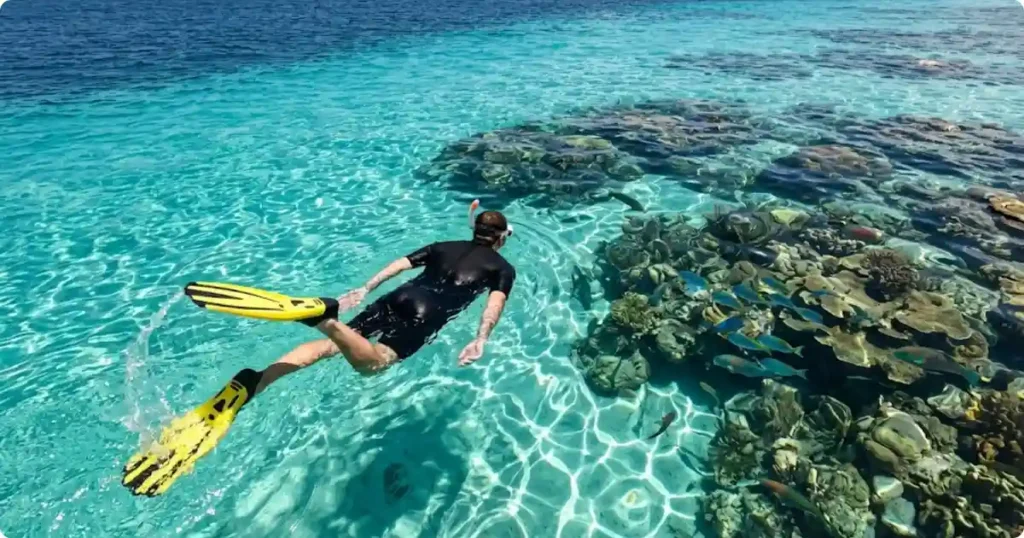
Aruba’s biggest attractions cost nothing. The paid excursions are worth considering, but most travelers overspend here.
- Visit Eagle Beach and Arashi Beach for free both world-class
- Enter Arikok National Park for approximately $11 per person
- Book snorkeling trips from $50 per person
- Try UTV island tours from $100 per group
- Charter a private catamaran from $130+ per person
- Watch the sunset at California Lighthouse completely free
A budget traveler spending a full week can easily fill five days with free beaches, hiking, and exploration. Adding two paid excursions keeps the activity budget under $150 total.
Meanwhile, luxury travelers booking daily tours and private charters can spend $100–$200+ per day on activities alone.
The Hidden Fees Nobody Mentions
| Fee / Tax | Amount | When You Pay | Who’s Exempt |
|---|---|---|---|
| Sustainability Fee | $20 per person (once per calendar year) | Online before flight via ED Card | Children under 8, cruise passengers, repeat visitors same year |
| Tourist Levy (hotel tax) | 12.5% of nightly room rate | At checkout or added to booking | None |
| Environmental Levy | $3 per person per night | At checkout or added to booking | None |
| Departure Tax (US-bound) | $36.75 per person | Included in airline ticket price | Children under 2, transit passengers under 24 hrs |
| Restaurant Service Charge | 15–20% of bill | At the restaurant | Varies — check the bill before tipping extra |
| Resort Fees (select hotels) | $25–$50 per night | At checkout | Not all hotels charge this — confirm at booking |
| Estimated Total for 2 People / 7 Nights ($200/night hotel) | ~$380–$450 in taxes and fees alone | ||
This section separates honest budget guides from misleading ones. These fees are mandatory not optional.
- Pay the $20 sustainability fee online before your flight via edcardaruba.aw
- Add 12.5% tourist tax to every hotel or rental night
- Add $3/night environmental levy per person
- Know that departure tax ($36.75 US-bound) is included in your airfare
- Check for resort fees some hotels add $25–$50/night on top
- Watch for 15–20% service charges at restaurants
For a couple staying seven nights at a $200/night hotel, these taxes alone add roughly $380 to the bill. That’s before a single meal, taxi, or activity. Budget accordingly.
The $20 sustainability fee is paid once per calendar year through Aruba’s ED Card platform. Children under 8 and cruise ship passengers are exempt. Repeat visitors within the same calendar year don’t pay it twice.
Aruba Daily Budget Three Real Tiers
| Expense Category | Budget ($160/day) | Mid-Range ($250–$370/day) | Luxury ($600+/day) |
|---|---|---|---|
| Accommodation | $60–$100 | $150–$300 | $400–$800+ |
| Food & Drink | $25–$40 | $60–$100 | $100–$200 |
| Transport | $5–$10 | $20–$50 | $50–$80 |
| Activities | $0–$15 | $25–$50 | $100–$200 |
| Taxes & Fees (daily share) | $15–$20 | $25–$40 | $50–$75 |
| 7-Day Total (per person, excl. flights) | $735–$1,295 | $1,960–$3,780 | $4,900–$9,485 |
| 7-Day Total (per person, incl. flights) | $1,100–$1,600 | $2,500–$3,500 | $5,000–$7,000+ |
Here’s what each day actually costs with taxes and fees included.
Budget Traveler Under $160/Day
- Stay in guesthouses or hostels ($60–$100/night)
- Eat at local stalls and cook in shared kitchens ($25–$40/day)
- Ride the Arubus everywhere ($5–$10/day)
- Stick to free beaches and one paid excursion per week
- Weekly total: $1,100–$1,600 per person including flights
This tier works. Aruba’s free beaches are genuinely world-class. Budget travelers don’t sacrifice the core experience they sacrifice convenience and restaurant meals.
Mid-Range Traveler $250–$370/Day
- Book mid-range hotels or vacation rentals ($150–$300/night)
- Eat at a mix of local spots and restaurants ($60–$100/day)
- Rent a car for part of the trip ($40–$60/day)
- Add 2–3 paid excursions during the week
- Weekly total: $2,500–$3,500 per person including flights
Most visitors land in this range. It covers a comfortable hotel, good food, and enough activities to fill the week without watching every dollar.
Luxury Traveler $600+/Day
- Stay at Palm Beach resorts or all-inclusive properties ($400–$800+/night)
- Dine at top restaurants nightly ($100–$200/day for two)
- Book private tours and catamaran charters ($100–$200/day)
- Use taxis or private transfers exclusively
- Weekly total: $5,000–$7,000+ per person including flights
Luxury Aruba competes with any high-end Caribbean destination. The difference is consistency nearly perfect weather year-round means fewer wasted resort days.
How to Cut Costs Without Cutting the Experience
Saving money in Aruba doesn’t mean skipping the best parts. These strategies deliver the biggest impact.
- Travel May–June or September–October for 30–50% lower hotel rates
- Book a vacation rental with a kitchen save $40–$60/day on meals
- Use the Arubus instead of taxis $1.25 vs $15–$25 per ride
- Pay with a no-foreign-transaction-fee credit card save 2–3%
- Buy groceries at local supermarkets they accept both USD and Aruban florins
- Skip resort all-inclusive packages unless you’ll use every meal and drink
The single biggest savings lever is timing. A mid-range trip in September costs roughly the same as a budget trip in February. Because Aruba sits outside the hurricane belt, off-season weather stays warm and dry.
Is Aruba More Expensive Than Other Caribbean Islands?
| Island | Budget/Day | Mid-Range/Day | Best For |
|---|---|---|---|
| Aruba | $160 | $300 | Weather, safety |
| Bahamas | $180 | $320 | Beaches, US proximity |
| Curaçao | $130 | $250 | Diving, culture |
| Dominican Republic | $90 | $170 | All-inclusive value |
| Puerto Rico | $120 | $200 | No passport needed |
Aruba sits mid-to-high among Caribbean destinations. It costs more than the Dominican Republic or Puerto Rico but delivers better weather consistency and safety than most alternatives. Budget travelers who prioritize guaranteed sunshine over price should still consider Aruba — off-season visits in May or September close most of the cost gap.
The Real Bottom Line
We’ve tracked Aruba costs across every budget tier, and the truth is straightforward. This island isn’t cheap but it’s not the budget-killer most guides suggest, either.
The real cost of Aruba depends almost entirely on two decisions: when you go and where you stay. A couple visiting in September with an Eagle Beach rental spends half what February resort-goers pay and gets the same beaches, the same weather, and shorter lines everywhere.
Budget travelers can manage a full week for $1,200–$1,600 per person. Mid-range visitors should plan for $2,500–$3,500. Luxury travelers will spend $5,000+. The key is accounting for hidden fees upfront the $20 sustainability fee, 12.5% hotel tax, and environmental levies that quietly add $200–$400 per couple per week.
Our complete Caribbean holiday cost guide covers how Aruba compares to every other island in the region. For most travelers, Aruba delivers strong value if you plan with real numbers instead of resort brochure estimates.
