


Six countries. Hundreds of excavated sites. And somehow, most travelers end up at the same three ruins everyone else visits often in the wrong order, from the wrong base city.
The real problem isn’t finding Mayan ruins in Mexico. It’s knowing which ones are worth the drive, which pair logically together, and which ones deliver something the others simply can’t. A poor planning decision costs you a full day on toll roads and leaves you rushing sites that deserve hours.
We researched every major ruin in this guide from the overhyped to the genuinely underrated and ranked them by what each one actually delivers.
QUICK ANSWER:
Chichen Itza is the must-see icon; arrive before 9 AM. Uxmal has finer architecture and far fewer crowds. Tulum offers a unique Caribbean clifftop setting. Coba is one of the last sites where you can still climb. Base yourself in Merida for the Yucatan’s best ruins concentration.
Why Mexico Has the Best Mayan Ruins
Mexico contains more accessible Mayan archaeological sites than any other country. The Yucatan Peninsula alone holds dozens of excavated cities spanning over 1,500 years of civilization.
Here’s what makes Mexico’s ruins stand out:
- Check six UNESCO World Heritage archaeological sites within driving distance
- Explore ruins ranging from jungle-buried cities to Caribbean clifftop forts
- Pick from well-developed tourism infrastructure with guides in English and Spanish
- Visit sites that span the full arc of Mayan civilization — from 200 BC to 1500 AD
- Combine ruins with cenotes, beaches, and colonial cities on the same day
However, not every ruin delivers the same experience. Some reward architecture lovers. Others reward photographers or adventurers. The key is matching each site to what you actually want from your trip.
Uxmal The Artistic Masterpiece Most Travelers Miss
Uxmal sits about 80 km south of Merida in the Puuc hills. It’s a UNESCO World Heritage Site that thrived between 700 and 1000 AD. Most travelers skip it because Chichen Itza dominates the guidebooks. That’s a mistake.
What Makes Uxmal Special
The craftsmanship at Uxmal is unmatched anywhere in the Mayan world. The Puuc architectural style features intricate geometric stone mosaics that cover entire building facades.
- Check the Pyramid of the Magician — 100 feet tall with a distinctive rounded base
- Study the Governor’s Palace, considered one of the finest pre-Columbian structures in the Americas
- Explore the Nunnery Quadrangle’s four palaces covered in carved stone serpents and geometric patterns
- Skip Chichen Itza’s crowds — Uxmal receives a fraction of the visitors
- Combine with the Ruta Puuc to visit Kabah, Sayil, and Labna on the same drive
The Governor’s Palace alone features over 20,000 individually carved stone elements. This level of detail simply doesn’t exist at Tulum or Coba. Architecture lovers consistently rank Uxmal as their favorite Mayan site in Mexico.
How to Visit Uxmal
Uxmal is easiest from Merida. The drive takes about one hour south on Highway 261.
- Use the SUR bus from Merida’s CAME station — roughly 90 minutes, departures every few hours
- Arrive at 8 AM opening to beat tour groups that arrive between 10 AM and 2 PM
- Budget 2 hours minimum to explore the full site
- Bring cash — the entrance fee is split into two separate payments at different windows
- Pack water, sunscreen, and sturdy shoes — shade is limited and paths are uneven
INSIDER SECRET: The “Ecos de Uxmal” video mapping light show runs several evenings per week. The sound and light projection onto the ancient buildings at dusk is one of the most atmospheric experiences at any Mayan ruin.
Driving gives you flexibility to continue along the Ruta Puuc afterward. Kabah is just 20 minutes further south and costs a fraction of Uxmal’s entrance fee.
Chichen Itza The Icon That Earns Its Reputation
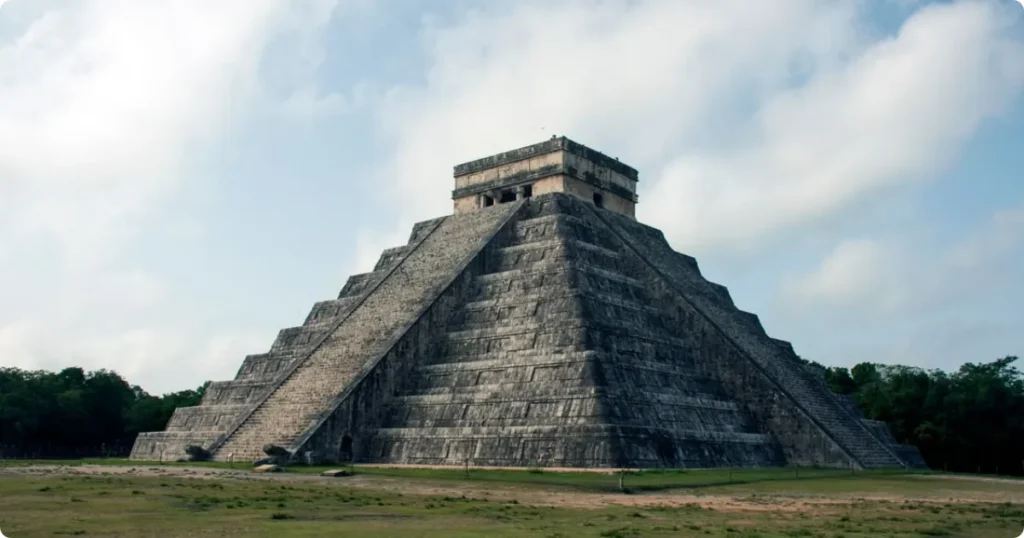
Chichen Itza is the most visited archaeological site in Mexico. It draws over 2.5 million visitors annually and holds status as both a UNESCO World Heritage Site and one of the New Seven Wonders of the World.
What Makes Chichen Itza Worth the Crowds
Despite the crowds, Chichen Itza delivers something no other ruin can match — sheer scale and engineering brilliance.
- See El Castillo (the Kukulkan Pyramid) — 91 steps on each side, totaling 365 for each day of the year
- Visit the largest ball court in the Americas — 545 feet long with remarkable acoustics
- Explore the Observatory (El Caracol), built for tracking Venus and celestial events
- Discover the central area most tour groups skip — private Mayan noble residences with deep relief carvings
- Watch the equinox serpent shadow on El Castillo during the spring or autumn equinox
During the equinoxes, sunlight creates a serpent-shaped shadow descending the pyramid’s stairway. This phenomenon demonstrates the astronomical precision the Maya built into their architecture.
How to Visit Chichen Itza
Chichen Itza sits roughly between Merida and Cancun. The drive is about 2 hours from either city.
- Arrive at 8 AM opening — the site transforms from peaceful to packed by 10:30 AM
- Book a private or small-group tour for early access and the central area most groups skip
- Bring cash in pesos — card machines go offline regularly
- Avoid Sunday visits — Mexican nationals enter free, creating significantly larger crowds
- Allow 2.5 to 4 hours depending on whether you hire a guide
The toll road from Cancun or Playa del Carmen costs approximately 800–900 pesos round trip. Therefore, many travelers find guided tours with transport more cost-effective than driving.
Pair Chichen Itza with the Ik Kil cenote, located just 2.5 miles away. Additionally, the colonial town of Valladolid makes a charming lunch stop between the ruins and the coast.
Tulum The Photogenic Ruin on the Caribbean
Tulum is the only major Mayan ruin built on a Caribbean coastline. The clifftop location overlooking turquoise water makes it the most photographed archaeological site in Mexico.
What Makes Tulum Unique
Tulum won’t impress architecture purists. The structures are modest compared to Uxmal or Chichen Itza. However, the setting is unmatched anywhere in the Mayan world.
- See the Castillo perched on a cliff above white sand and Caribbean blue water
- Access the beach below the ruins via wooden stairs — one of Mexico’s most beautiful swimming spots
- Walk the entire compact site in 45 minutes to an hour
- Explore the only Mayan city originally protected by a defensive wall — over 2,500 feet long
- Learn about Tulum’s role as a trading port that served the larger city of Coba
Tulum was one of the last Mayan cities inhabited before Spanish arrival. It functioned primarily as a coastal trading hub from the 1200s through the 1500s. Because the ruins are small, many visitors combine Tulum with nearby cenotes or the Sian Ka’an Biosphere Reserve.
How to Visit Tulum
Tulum ruins sit just outside Tulum town. From Playa del Carmen, the drive takes about 45 minutes south on Highway 307.
- Arrive at 8 AM to avoid cruise ship crowds that peak from 10 AM to 2 PM
- Skip Sundays — free entry for Mexican nationals means heavy local crowds
- Use the shuttle from the parking area (50 pesos) or walk 10 minutes
- Bring swimwear — the beach below the ruins is accessible and swimmable
- Budget the full morning — pair the ruins with a cenote visit in the afternoon
The total entrance cost includes multiple fees paid at separate windows. Several of these fees are cash-only in pesos. Card machines exist but frequently fail.
Travelers staying in Playa del Carmen can easily visit both Tulum and Coba in one full day. However, rushing both sites diminishes the experience. Dedicate a morning to each if your schedule allows.
Coba The Jungle Pyramid You Can Still Climb
Coba sits deep in the jungle between Tulum and Valladolid. It’s one of the few remaining Mayan sites where visitors can still climb the main pyramid.
What Makes Coba Worth the Trip
Coba delivers the adventure experience that other ruins have restricted. The Nohoch Mul pyramid stands 42 meters (137 feet) tall — the tallest climbable pyramid in the Yucatan Peninsula.
- Climb 120 steep steps to the top of Nohoch Mul for panoramic jungle views
- Rent a bicycle at the entrance to cover the sprawling site — the pyramid is over a mile from the gate
- Hire a bicitaxi (bicycle rickshaw) if you prefer not to walk or cycle
- Explore carved stelae documenting Mayan ceremonial life from the Late Classic Period
- Enjoy significantly fewer tourists than Chichen Itza or Tulum
Coba was once a powerful city of approximately 50,000 inhabitants at its peak around 850 AD. The site covers a massive area, but most structures remain unexcavated beneath the jungle canopy. This gives Coba a raw, Indiana Jones feel that more polished sites have lost.
How to Visit Coba
Coba is about 45 minutes from Tulum by car on Highway 109.
- Arrive early — the site opens at 9 AM and closes at 3 PM for last entry
- Rent a bicycle at the entrance for approximately 50 pesos
- Bring plenty of water — the jungle heat and humidity drain energy fast
- Wear sturdy shoes with grip for the steep pyramid climb
- Budget 3 hours minimum — the site is large and spread out
Coba is the most affordable major ruin in Mexico. Meanwhile, the jungle setting and climbing experience make it a favorite among adventurous travelers. ADO buses run between Tulum center and Coba daily.
Palenque The Deep Jungle Discovery
Palenque sits in Chiapas, far from the Yucatan tourist corridor. Getting there requires commitment — it’s roughly 400 miles from the Riviera Maya. However, many experienced travelers call it Mexico’s most atmospheric ruin.
- Discover the Temple of Inscriptions — containing some of the most important hieroglyphic writings in the Mayan world
- Explore a city set deep in jungle, surrounded by howler monkeys and dense tropical forest
- Visit a site where less than 10% of the ancient city has been excavated
- Combine with the stunning Agua Azul and Misol-Ha waterfalls nearby
- Experience a UNESCO World Heritage Site without the Yucatan-level crowds
Palenque rewards travelers who venture beyond the standard Cancun-Tulum-Chichen Itza circuit. Because of its remote location, it pairs best with a broader Mexico trip that includes Chiapas or a Guatemala overland route.
Ek Balam The Underrated Alternative
Ek Balam sits about 30 minutes north of Valladolid. It’s often skipped in favor of nearby Chichen Itza. That’s exactly why it’s worth visiting.
- Climb the main pyramid for views over the jungle canopy — still permitted
- See remarkably preserved stucco sculptures on the temple facade
- Explore without crowds — most visitors have the site nearly to themselves
- Combine easily with a Chichen Itza day trip from Valladolid
- Pay a fraction of what Chichen Itza charges
Ek Balam functioned as a city from 700 to 1000 AD with approximately 18,000 inhabitants. The preserved winged figures on the Acropolis facade are unlike anything at other Mayan sites. Because Valladolid sits between Ek Balam and Chichen Itza, pairing both in a single day is straightforward.
How to Plan Your Mayan Ruins Trip by Base City
| Site | Best For | Entrance Fee (Foreign) | Time Needed | Climb Pyramid? | Crowd Level | Nearest Base |
|---|---|---|---|---|---|---|
| Uxmal | Architecture & carvings | ~556 MXN ($30 USD) | 2–3 hours | No | Low | Merida (1 hr) |
| Chichen Itza | Iconic bucket-list experience | ~697 MXN ($40 USD) | 2.5–4 hours | No | Very High | Merida (1.5 hr) / Valladolid (45 min) |
| Tulum | Photography & beach | ~515 MXN ($28 USD) | 1–2 hours | No | High | Tulum town (10 min) |
| Coba | Adventure & jungle | ~100–195 MXN ($5–10 USD) | 3+ hours | Yes (120 steps) | Low–Moderate | Tulum (45 min) |
| Palenque | Deep jungle atmosphere | ~100 MXN ($5 USD) | 3–4 hours | No | Low | Palenque town (15 min) |
| Ek Balam | Off-the-beaten-path | ~709 MXN ($40 USD) | 1.5–2 hours | Yes | Very Low | Valladolid (30 min) |
Your base city determines which ruins are practical day trips. Choose wrong and you’ll spend half your vacation on toll roads.
From Cancun or Playa del Carmen
This is the most common tourist base. However, the best ruins are the farthest away.
- Pick Tulum and Coba as easy half-day trips — both under 90 minutes by car
- Choose Chichen Itza for a full day — 2.5 hours each way via toll road
- Skip Uxmal from here — the 4+ hour drive each way doesn’t justify a day trip
- Use guided tours for Chichen Itza to avoid toll costs and driving fatigue
From Merida
Merida is the smartest base for serious ruin enthusiasts. It positions you closest to the most impressive sites.
- Visit Uxmal in a morning — just one hour south
- Choose Chichen Itza as a comfortable day trip — about 1.5 hours east
- Explore the entire Ruta Puuc (Kabah, Sayil, Labna) in a single day
- Add Ek Balam and Valladolid as a combined overnight trip
From Tulum Town
Tulum town works best for travelers prioritizing beaches alongside ruins.
- Walk to the Tulum ruins — they’re practically next door
- Pick Coba for a morning trip — 45 minutes inland
- Choose Chichen Itza as a long but doable day trip — about 2.5 hours each way
- Skip Uxmal and Palenque from this base — too far for day trips
The Verdict
We’ve researched every major Mayan ruin on this list and compared what each one actually delivers. Our conclusion: there’s no single “best” ruin. There’s only the best ruin for your specific trip.
Uxmal is the site we’d recommend to anyone who loves architecture. The craftsmanship is unmatched. Chichen Itza earns its icon status and should be on every first-timer’s list just arrive at 8 AM. Tulum is beautiful but overhyped as an archaeological site. Coba delivers the raw adventure most travelers crave. Base yourself in Merida if ruins are your priority. Two days from there covers Uxmal, Chichen Itza, and the Ruta Puuc the strongest concentration of Mayan sites in Mexico.
