

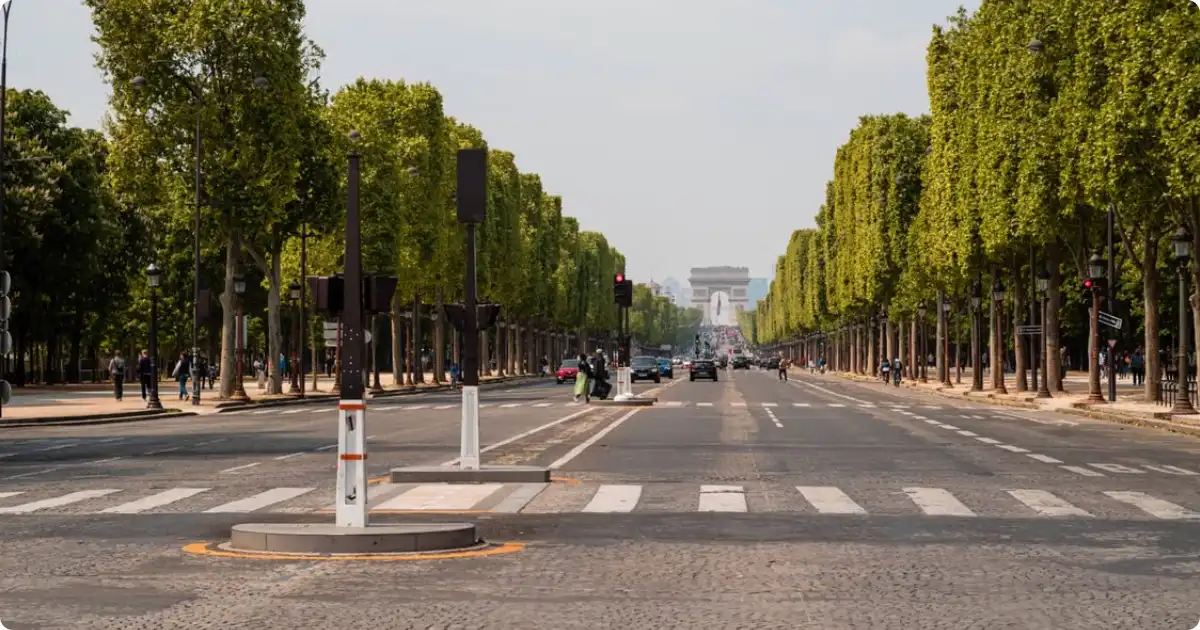
The 46-minute TGV ride from Paris to Reims is one of the great underused shortcuts in European travel and most people who take it still manage to get the trip wrong.
They pick one city when they should combine both. They walk into champagne houses without reservations and get turned away. They spend a full day in Épernay without realizing Reims is 30 minutes north and worth every extra hour.
This guide fixes all of that. It covers which city to base yourself in, which champagne houses are actually worth booking, how to get there without a car, and how to structure two days so nothing gets wasted.
Straight Answer: The Champagne region sits 90 miles northeast of Paris. Reims offers Gothic architecture, world-class champagne houses, and a 46-minute TGV connection from Paris Est. Épernay is home to the Avenue de Champagne and Moët & Chandon. Combine both cities over two days for the complete experience.
Reims or Épernay Which City Should You Base Yourself In?
This is the first question every traveler asks and most guides dodge it. Here’s the honest answer.
Why Reims Wins for First-Time Visitors
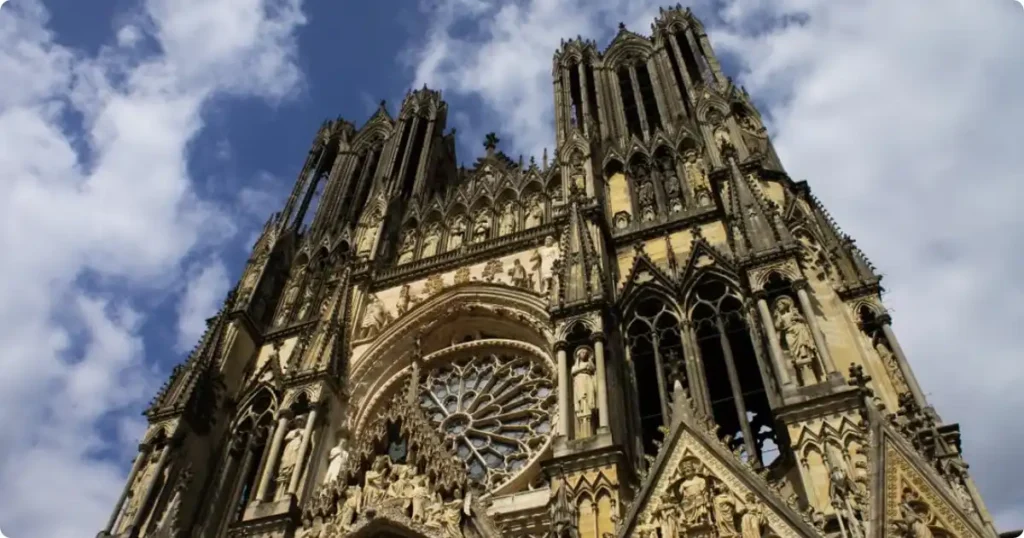
Reims is a full city. It has UNESCO-listed Gothic architecture, a cathedral where French kings were crowned, restaurants, hotels at every price point, and direct TGV service from Paris. The champagne houses here Ruinart, Taittinger, Pommery, Mumm, Veuve Clicquot are world-class and well set up for visitors.
- Pick Reims if you want champagne tours plus sightseeing
- Choose Reims for the widest range of hotels and restaurants
- Book here when traveling with non-wine-drinkers who need other options
- Use Reims as your base for day trips across the wider region
- Note that Veuve Clicquot and several other houses sit outside the city center a short taxi ride away
Why Épernay Makes Sense If Champagne Is Your Only Focus
Épernay is a small town. Its entire identity is the Avenue de Champagne a single street lined with the world’s most famous champagne houses, sitting on top of 200 million bottles of aging wine. If bubbles are the entire point of the trip, base yourself here.
- Choose Épernay for maximum champagne immersion with minimum distraction
- Walk directly from your hotel to Moët & Chandon and Mercier
- Expect fewer restaurant and hotel options than Reims
- Use Épernay as a second-night base after starting in Reims
The Smart Move: Combine Both
Reims and Épernay are 30 minutes apart by car or train. Travelers who spend two nights in the region one in each city consistently describe it as the ideal format. Spend day one in Reims. Move to Épernay on day two. Cover the Avenue de Champagne on foot. Drive the Route du Champagne on day three if time allows.
Getting to the Champagne Region from Paris
The region is close enough to Paris that a day trip works but an overnight stay is always better. Here’s how to get there.
Paris to Reims by TGV Train
This is the fastest and most practical option for most travelers. The TGV InOui departs from Paris Est station and reaches Reims Ville in as little as 46 minutes. There are roughly seven direct trains per day. Book through SNCF Connect or Rail Europe.
- Depart from Paris Est served by three metro lines
- Fastest journey: 46 minutes on a direct TGV InOui service
- Tickets start from around $23 booked in advance; prices rise closer to departure
- Aim for Reims Ville station it drops you directly in the city center
- Book at least two to three months ahead in summer commuter trains fill fast
- Morning trains toward Paris and evening trains toward Reims sell out first
Field Note: If your TGV terminates at Champagne-Ardenne TGV station rather than Reims Ville, connect to a short TER regional train to reach the city center. It adds only 10 minutes but catches many first-timers off guard.
Paris to Épernay by Train
Épernay has no direct TGV service. Travelers typically take the TGV to Reims and then a 30-minute regional TER train south to Épernay. Alternatively, a slower intercity train runs from Paris Gare de l’Est with one change. Budget 90 minutes total travel time.
- No direct high-speed train connects Paris to Épernay
- Fastest route: TGV to Reims + TER connection to Épernay
- Total journey time: approximately 90 minutes door to door
- Reims-to-Épernay TER trains run regularly throughout the day
Driving the Champagne Route
A car unlocks the full region. The Route du Champagne winds through more than 250 miles of rolling vineyard country, connecting Reims and Épernay through dozens of Grand Cru villages and small grower-producers who never appear on guided tours. Driving is the only realistic way to visit the countryside outside both cities.
- Rent from Paris and drive 90 minutes northeast to Reims
- Use a car for the Montagne de Reims, Côte des Blancs, and Marne Valley villages
- Park easily at most champagne houses outside city centers
- Designated driver in your group? This solves the tasting problem elegantly
The Best Champagne Houses to Visit in Reims
| Champagne House | Founded | Cellar Type | Best For | Reservation Required | Approx. Tour Cost |
|---|---|---|---|---|---|
| Maison Ruinart | 1729 | Roman chalk crayères (40m deep) | Most atmospheric cellar experience | Yes — book weeks ahead | €30–€60 |
| Taittinger | 1932 | Gallo-Roman pits + medieval abbey ruins | Most visually impressive cellars | Yes | €30–€55 |
| Pommery | 1836 | Chalk pits — permanent art gallery | Art lovers + history enthusiasts | Yes | €25–€55 |
| Mumm | 1827 | Chalk cellars — city center | First-time visitors | Recommended | €25–€45 |
| Veuve Clicquot | 1772 | Chalk crayères | Iconic brand experience | Yes | €30–€60 |
Reims sits above the butte Saint-Nicaise a chalk hill honeycombed with ancient crayères (chalk pit cellars) carved by the Romans. These tunnels are now UNESCO World Heritage-listed and hold millions of bottles of aging champagne. Every major Reims house is built on top of them.
- Book all tastings in advance Reims houses fill fast, especially in summer
- Most major houses offer English-language tours
- Plan 1.5 to 2 hours per house visit
- Visit no more than two or three houses in a single day
- Houses near the city center are walkable; others require a taxi
Maison Ruinart The Oldest Champagne House
Ruinart was founded in 1729, making it the first established champagne house in the world. Its cellars at 4 rue des Crayères descend 40 meters into Roman chalk quarries and have been classified as a Historic Monument since 1931. The tasting experience is intimate, well-curated, and focused on the house’s signature Blanc de Blancs style.
Traveler accounts consistently rate the Ruinart cellar tour as among the most atmospheric in the region. The chalk tunnels are visually unlike anything in Épernay. Book directly on the Ruinart website tours sell out weeks in advance.
Taittinger Best Cellar Experience
Taittinger’s cellars are carved into the chalk remains of the former Saint-Nicaise abbey a setting that combines Gallo-Roman chalk pits with medieval monastery architecture. The house leans heavily toward Chardonnay in its blends, producing some of the most elegant champagnes in Reims.
Many experienced visitors rank Taittinger’s cellar tour as the most visually impressive in the city. The combination of Roman tunnels and Gothic remnants is genuinely unlike anything a standard wine tour delivers elsewhere in France.
Pommery Art, History, and Bubbles
Pommery is the most theatrical of the Reims houses. Madame Pommery transformed the estate in the 1870s into an Elizabethan-style château, and the cellars below are a permanent art gallery. A monumental staircase of 116 steps leads 30 meters underground past colossal bas-relief carvings and contemporary art installations.
- Expect a tour that covers both champagne history and contemporary art
- The 116-step descent is steep not ideal for those with mobility concerns
- Conclude with a tasting of Pommery’s house champagne
- The estate exterior is worth photographing even if you skip the tour
Mumm Best for First-Timers
Mumm sits relatively close to the Reims city center and is well-organized for visitors who are new to champagne houses. The guides are consistently described as clear and thorough, even for travelers who arrive knowing nothing about the méthode champenoise. Many know the brand from its long association with Formula 1 podium celebrations.
The Best Champagne Houses to Visit in Épernay
Épernay’s Avenue de Champagne is one of the most extraordinary streets in France. Beneath its cobblestones lie the cellars of several major houses, with Moët & Chandon alone accounting for 28 kilometers of underground galleries. Walking the avenue above ground takes 20 minutes. Understanding what’s beneath it takes considerably longer.
- Almost all Avenue de Champagne houses are walkable from each other
- Expect longer queues at Moët than anywhere else in the region
- Combine a major house visit with a smaller grower-producer for balance
- The Wine and Regional Archaeology Museum at 13 Avenue de Champagne is worth an hour
Moët & Chandon The Iconic Starting Point
Moët & Chandon is the most visited champagne house in the world. Its 28 kilometers of underground cellars are the largest in the entire Champagne region. The Dom Pérignon statue at the entrance is one of the most photographed spots in France. For first-time visitors, this is the natural starting point an orientation to champagne on the grandest possible scale.
Book well in advance. The queue for walk-in visits can run to an hour in peak season.
Mercier Best for Families
Eugène Mercier founded his house at age 20 with a stated mission: to make champagne accessible to everyone, not just the elite. At the 1889 World’s Fair, he arrived with a giant vat equivalent to 200,000 bottles a spectacle that rivaled the Eiffel Tower for attention. Today, visitors explore his 18 kilometers of single-storey cellars aboard a small underground tourist train.
- The mini-train ride makes Mercier the most family-friendly house in the region
- No reservation needed for tasting room visits; cellar tours do require booking
- Audio guides available in 10 languages
- Located steps from Moët & Chandon on the Avenue de Champagne
Smaller Grower-Producers Worth Seeking Out
The big houses tell champagne’s commercial story. The grower-producers tell its human one. These are farmers who grow their own grapes and produce their own wine — often on a few hectares of Grand Cru or Premier Cru land. Visiting one alongside a major house gives travelers a complete picture of how this region actually works.
- Look for producers in Aÿ (3 km from Épernay, classified Grand Cru)
- The village of Hautvillers — where Dom Pérignon worked — is 20 minutes away
- Grower champagnes bought direct represent exceptional value compared to retail
- These visits are more personal, often in family kitchens and small barns
How to Plan Your Champagne Tour Itinerary
Most travelers underestimate how much time a champagne house visit actually takes. A cellar tour plus tasting runs 1.5 to 2 hours. Add travel between houses and a proper lunch, and two or three visits fill a full day comfortably.
One Day in Reims
A one-day Reims itinerary works if you’re tight on time. It does not allow for Épernay. Choose two champagne houses maximum, allow time for the cathedral, and book your houses before you book your train.
- Morning: Arrive by TGV from Paris Est — journey takes 46 minutes
- Late morning: First champagne house visit (Ruinart or Taittinger — book ahead)
- Lunch: Near the city center or at a house with a restaurant (Pommery has one)
- Afternoon: Second house visit (Mumm works well as a city-center option)
- Evening: Return TGV to Paris — book the return before you leave home
Two Days: Reims + Épernay
Two days is the format that most experienced travelers recommend. It allows one night in each city, three to four champagne house visits total, and a walk along the Avenue de Champagne without rushing.
- Day 1: Arrive Reims by TGV. Two house visits. Dinner in the city.
- Day 2 morning: Train or drive south to Épernay (30 minutes)
- Day 2 afternoon: Moët & Chandon plus one smaller producer or Mercier
- Day 2 evening: Return to Paris from Épernay via Reims (connect to TGV)
How Many Houses Can You Visit Per Day?
Two houses in a day is the comfortable limit. Three is possible if you skip lunch and rush the tastings which defeats the purpose. Plan each visit as a 2-hour block, including travel between locations.
- Two houses: ideal pace, room for a proper lunch
- Three houses: possible but tiring reserve for dedicated enthusiasts
- One house: perfectly valid if you prefer depth over breadth
When to Visit the Champagne Region
| Month | Crowd Level | Weather | Highlight | Verdict |
|---|---|---|---|---|
| January–February | Very Low | Cold, grey | Quiet cellars, low prices | Budget travelers only |
| March | Low | Cool, improving | Early spring vines | Good for solo explorers |
| April–May | Low–Medium | Mild, pleasant | Blossom season, fewer crowds | Excellent shoulder season |
| June–August | High | Warm, sunny | Peak vineyard beauty, long days | Book everything months ahead |
| September | Medium–High | Warm, dry | Harvest season — vendanges | Best overall month to visit |
| October–November | Low–Medium | Cool, crisp | Post-harvest golden vines | Underrated — highly recommended |
| December | Medium | Cold | Reims Christmas market; Épernay Habits de Lumière | Worth it for festive atmosphere |
The Champagne region has four genuinely different seasons and each has a case for it. The conventional peak is summer, but it comes with the highest crowds and advance booking pressure. Experienced travelers often prefer the shoulder seasons.
- June to August: Longest days, best weather — but peak crowds and prices
- September: Harvest season — the most visually dramatic time to visit the vineyards
- April to May: Fewer crowds, pleasant temperatures, spring vines just emerging
- October to November: Post-harvest quiet, reduced tour prices at some houses
- December: Reims Christmas market is excellent; Épernay hosts Habits de Lumière in December
- Avoid major French public holidays — houses can close with minimal notice
Where to Stay in Champagne, France
Accommodation choice in the Champagne region comes down to one question: do you want a city hotel or a vineyard experience? Both work. The answer depends on how you’re getting around.
- Reims city center: Best for train travelers — walking distance to houses and restaurants
- Épernay hotels: Best for those focused entirely on champagne; fewer dining options
- Countryside chambre d’hôtes: Perfect for drivers; staying with a grower-producer is the most immersive option in the region
- Royal Champagne Hotel & Spa (Champillon): Premium option with vineyard views over the Montagne de Reims — frequently cited as the finest property in the region
- Budget tip: Reims has more hotels at more price points than Épernay — book here if cost is a factor
Final Word
We’ve mapped this region from end to end, and the conclusion is straightforward: the Champagne region rewards travelers who plan and punishes those who don’t. Book your champagne house visits before you book your hotel. Take the TGV from Paris Est it’s the fastest 46 minutes in French travel. Combine Reims and Épernay over two days rather than rushing one city in a single afternoon. And make time for at least one grower-producer alongside the famous names. The big houses tell you what champagne is. The small ones show you where it comes from.
